
Tapinoma andamanense
- Bilimsel Adı
- Tapinoma andamanense
- Oymak (Tribe)
- Tapinomini
- Alt Familya
- Dolichoderinae
- Yazar (Tanımlayan)
- Forel, 1903
- Dağılım
- 0 ülkede bulundu
Giriş
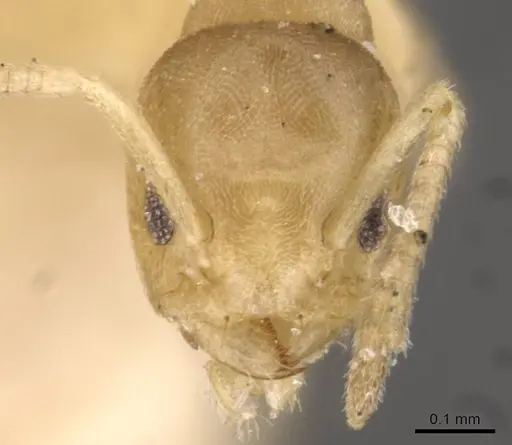
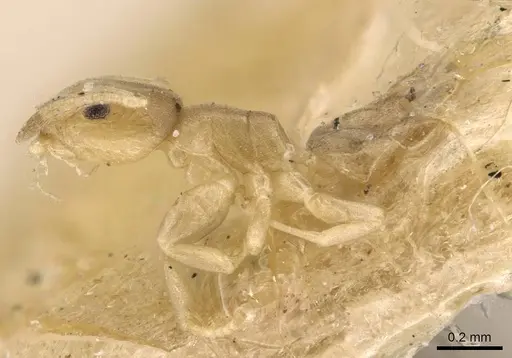
Tapinoma andamanense is a small ant from the Dolichoderinae subfamily. Workers are tiny and fast-moving, around 2-3 mm - inferred from related species. They have a compact body and rely on chemical defenses instead of a stinger. This species is endemic to the Andaman and Nicobar Islands in the Indian Ocean, with historical records from Singapore . They nest in dry, dead wood like hollow twigs, withered bamboo, and dead branches . What makes this ant interesting is its flexible social structure. Documented colonies can have multiple queens - one colony from Singapore had four dealate (wingless) females . This polygynous ability is unusual among Tapinoma species and gives keepers options for colony management.
Quick Summary
- Difficulty: Easy
- Origin & Habitat: Endemic to the Andaman and Nicobar Islands in the Indian Ocean (Bay of Bengal) [1][2]. Also recorded from Singapore based on historical collections [3][4]. Natural habitat consists of tropical islands with humid forest environments. Nests in dry wood cavities including hollow twigs, withered bamboo, and dead branches [4].
- Colony Type: Facultatively polygynous, colonies can have a single queen or multiple queens. Documented with up to 4 dealate females [4][3].
- Size & Growth:
- Queen: ~4-5 mm, inferred from Tapinoma genus patterns. Specific measurements for Tapinoma andamanense are not available.
- Worker: ~2-3 mm, inferred from Tapinoma genus patterns. Specific measurements for Tapinoma andamanense are not available.
- Colony: Colony size is unconfirmed, but related Tapinoma species typically reach several hundred workers. One documented colony had 4 queens [4].
- Growth: Moderate, based on typical Tapinoma genus patterns
- Development: Estimated 5-8 weeks at warm tropical temperatures (25-28°C), based on genus patterns for small Dolichoderinae. Specific data for Tapinoma andamanense is not available. (Development time is inferred from related Tapinoma species. Temperatures below 20°C will slow growth significantly.)
- Antkeeping:
- Temperature: Keep at 24-28°C. These are tropical ants from the Andaman Islands, so avoid prolonged temperatures below 20°C. Room temperature is often suitable if your home stays warm.
- Humidity: Provide a water source via test tube or hydration area. The nest should not be waterlogged, they naturally nest in dry wood. Aim for a slightly dry nest with a humid zone for drinking.
- Diapause: No, as a tropical species from island habitats near the equator, they do not require hibernation. Keep them warm year-round.
- Nesting: They naturally nest in dry wood cavities and hollow twigs [4][3]. In captivity, use small Y-tong (AAC) nests, test tube setups with snug chambers, or naturalistic setups with twigs or bamboo. Avoid large open spaces, tight, enclosed chambers suit their tiny size.
- Behavior: These are fast, active foragers. Like other Dolichoderinae, they lack a functional stinger and defend by spraying chemicals from their anal glands, you may notice a mild odor. They are not aggressive and rarely bite. Due to their small size (2-3 mm), they can squeeze through tiny gaps, so excellent escape prevention is essential.
- Common Issues: escape prevention is critical due to their tiny size, use fine mesh barriers and tight-fitting lids., as tropical ants, they are sensitive to cold, keep above 20°C., dry-wood nesting preference means avoid overly wet conditions that can cause mold., small colony size means adjust feeding amounts to avoid uneaten food molding.
Housing and Nest Setup
Tapinoma andamanense naturally nests in dry wood cavities, hollow twigs, withered bamboo, and dead branches [4]. For captive setups, match this preference. A test tube works well for founding colonies. Once the colony grows, move them to a small Y-tong (AAC) nest or a naturalistic setup with twigs and bamboo. Chambers should be small and snug, these tiny ants feel secure in tight spaces. The outworld should be small too, with all connections sealed tightly.
Temperature and Heating
These tropical ants need warmth. Keep the nest at 24-28°C for best activity and brood development. Room temperature is fine in heated homes, but if your room drops below 20°C, use a gentle heat mat on the side (not underneath) to create a warm zone. Avoid cold drafts, prolonged low temperatures stress the colony and stop brood growth.
Feeding and Diet
Tapinoma andamanense are omnivorous. Offer a constant sugar source (sugar water, honey, or diluted maple syrup) and provide protein 2-3 times a week, small insects like fruit flies, micro mealworms, or tiny cricket pieces. In nature they likely scavenge for small arthropods and honeydew. Remove uneaten protein after 24-48 hours to prevent mold. Adjust portions to colony size, a few drops of sugar and a tiny piece of protein is enough for a small colony.
Colony Structure and Queen Care
A notable trait of this species is its flexible colony structure. Polygynous colonies (multiple queens) have been documented, including one with 4 dealate females [4][3]. Single-queen colonies are also normal. Founding behavior is unconfirmed for Tapinoma andamanense, do not assume a specific founding type. If you have multiple queens that are already together, they should coexist peacefully. If starting with one queen, let her raise the first workers undisturbed.
Defense and Handling
As a Dolichoderinae ant, Tapinoma andamanense lacks a functional stinger. Their primary defense is chemical, they spray sticky, foul-smelling secretions from their anal glands when disturbed. This odor is harmless to humans. They are not aggressive and rarely bite. Their small size means they can fall off surfaces or escape easily, so always handle over a contained area.
Escape Prevention
With workers only 2-3 mm, escape prevention is the top priority. Use fine mesh (0.5 mm or smaller) on ventilation openings. Check all tube and nest connection points for gaps. Apply Fluon (PTFE) or a similar barrier around the outworld rim. Tight-fitting lids are essential, even a tiny gap will let these ants out.
Growth and Development
Colony growth follows typical patterns for small tropical ants. After founding, the colony grows gradually. Expect several months to reach 50-100 workers, and a year or more to reach several hundred, if all goes well. Growth rate depends on temperature, feeding, and queen health. The polygynous potential may allow larger populations over time, though maximum sizes for this species are undocumented.
Frequently Asked Questions
How long does it take for Tapinoma andamanense to get their first workers?
Development time is unconfirmed for this species. Based on related Tapinoma species, it may take 5-8 weeks at warm temperatures (25-28°C). This is an estimate, actual time depends on temperature and queen condition.
Can I keep multiple queens together in one colony?
Yes, this species is facultatively polygynous, multiple queens can coexist in a single colony. Documented colonies have been found with up to 4 dealate females [4][3]. You can keep multiple founding queens together if you wish, though single-queen colonies are also normal.
What temperature do Tapinoma andamanense need?
Keep them at 24-28°C. These are tropical ants from the Andaman Islands and need warm conditions year-round. Room temperature is often suitable, but ensure it stays above 20°C. A slight heating gradient can help if your room is cooler.
Do they need hibernation or diapause?
No, they do not require hibernation. As a tropical species from island habitats near the equator, they are adapted to year-round warm conditions. Keep them warm throughout the year without a winter cooling period.
What do Tapinoma andamanense eat?
They are omnivorous. Offer sugar water, honey, or diluted maple syrup as a constant energy source. For protein, provide small insects like fruit flies, small mealworms, or other tiny arthropods 2-3 times per week. Remove uneaten food after 24-48 hours to prevent mold.
What type of nest is best for Tapinoma andamanense?
They naturally nest in dry wood cavities like hollow twigs and bamboo [4]. In captivity, small Y-tong (AAC) nests, test tube setups with snug chambers, or naturalistic setups with twigs work well. They prefer tight, enclosed spaces scaled to their tiny 2-3 mm size.
Are Tapinoma andamanense good for beginners?
Yes, they are considered easy to keep. They are small, non-aggressive, and don't require hibernation. The main challenges are their tiny size (requiring good escape prevention) and need for warm temperatures. These are manageable for beginners willing to pay attention to these details.
How big do Tapinoma andamanense colonies get?
Specific colony size data is not available, but related Tapinoma species typically reach several hundred workers. With their polygynous potential, established colonies can grow quite large over several years with good care [4].
Why are my Tapinoma andamanense escaping?
Their small size (2-3 mm) means they can escape through tiny gaps. Use fine mesh for ventilation, check all tube connections for gaps, and apply Fluon to rim edges. Excellent escape prevention is essential, even small gaps that wouldn't concern larger ants will allow these tiny ants to escape.
When should I move my colony to a formicarium?
Move from a test tube to a small formicarium when the colony reaches around 30-50 workers and the test tube setup becomes crowded. Make sure the new nest has appropriately sized chambers, tight, snug spaces work better than large open areas for this species.
Is Tapinoma andamanense invasive anywhere?
This species is endemic to the Andaman and Nicobar Islands in India [2]. There are historical records from Singapore [3][4], but it is not considered invasive in those areas. Always check local regulations before keeping any ant species.
Report an Issue
The current care sheet is based fully on literature. See inconsistencies, or something that's incorrect? Please , it will be resolved after review from an admin. Contributing to the blogs tab also helps providing information, to make us be able to further improve the caresheets. Thank you for your support!
References

Bu bakım rehberi şu lisans altındadır: CC BY-SA 4.0 .
Topluluk Blogları
CASENT0909765
AntWeb'de Görüntüle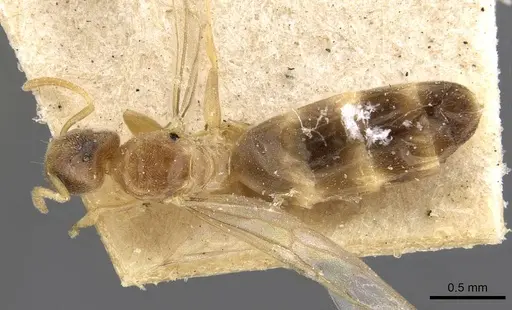
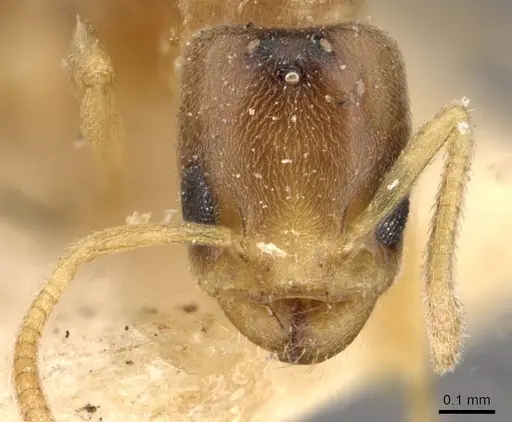
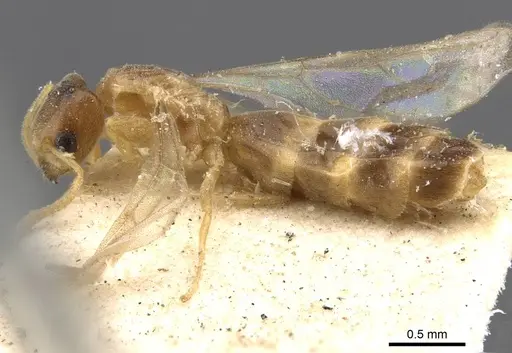
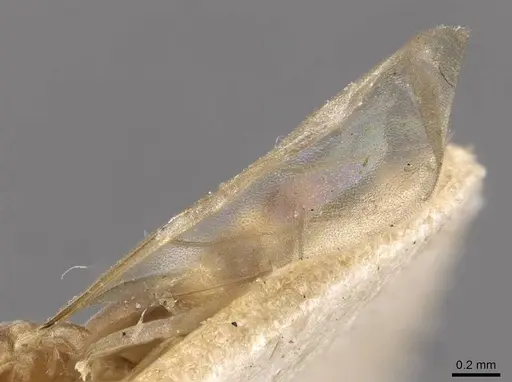
CASENT0909766
AntWeb'de Görüntüle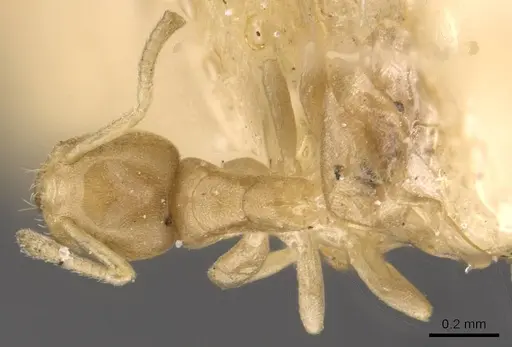
Literatür
Dağılım haritası yükleniyor...Ürünler yükleniyor...