
Strumigenys diasphax
- Bilimsel Adı
- Strumigenys diasphax
- Oymak (Tribe)
- Attini
- Alt Familya
- Myrmicinae
- Yazar (Tanımlayan)
- Bolton, 2000
- Dağılım
- 0 ülkede bulundu
Giriş
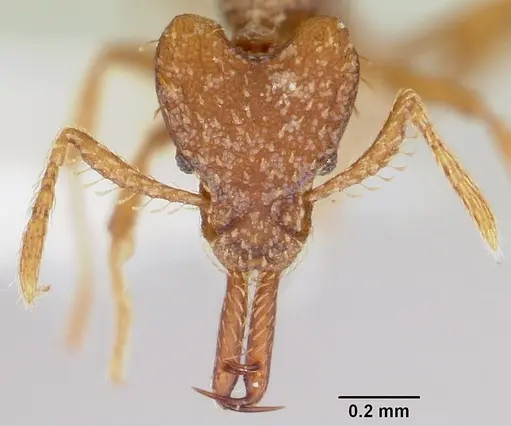
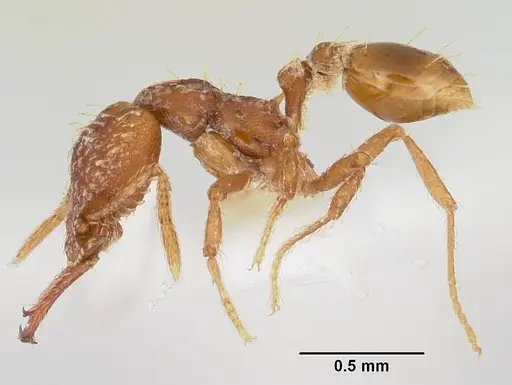
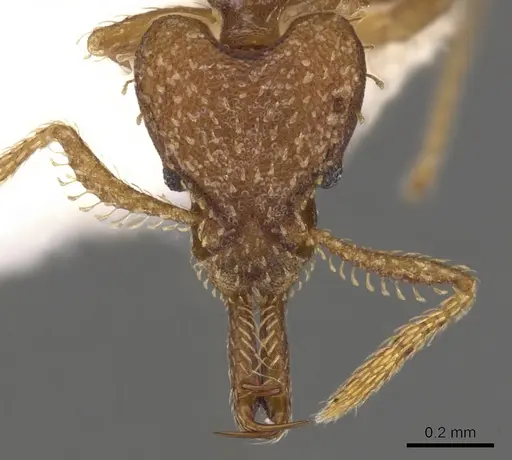
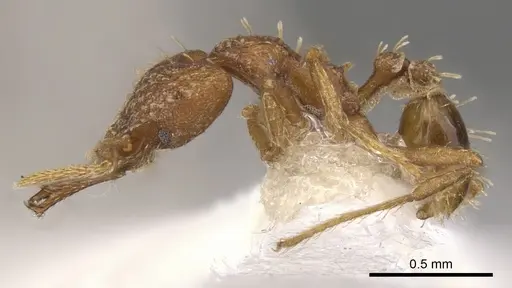
Strumigenys diasphax is a tiny predatory ant, with workers measuring just 2.2–2.3 mm in total length . It belongs to the Strumigenys wallacei group and is easily recognized by standing hairs on the head and four pairs of stout erect hairs on the upper body . Its narrow head helps distinguish it from close relatives. This ant is native to Southeast Asia, found in Borneo (Malaysia), Sumatra (Indonesia), and parts of Indonesia. It lives in leaf litter in mixed dipterocarp forests and at the edges of primary montane forests, at elevations between 1000 and 1400 m . What makes S. diasphax fascinating for keepers is its specialized hunting lifestyle – it preys almost exclusively on micro‑arthropods like springtails (Collembola), and its tiny size and shy nature make it a challenging but rewarding species to observe.
Quick Summary
- Difficulty: Medium
- Origin & Habitat: Borneo (Sarawak, Sabah), Malaysia (Gunung Mulu, Gunung Penrissen), and Sumatra (Leuser Ecosystem, Tandikek Mountain). They inhabit leaf litter in mixed dipterocarp forest and at the edges of primary montane forest at 1000–1400 m elevation [1][2][3].
- Colony Type: Colony structure is unconfirmed. Based on typical Strumigenys patterns, they likely form small colonies with a single queen.
- Size & Growth:
- Queen: Unknown – the queen is not described in the original description [1]
- Worker: 2.2–2.3 mm total length [1]
- Colony: Likely under 100 workers, based on typical Strumigenys biology (inferred from genus)
- Growth: Slow
- Development: Estimated 6–10 weeks based on related Strumigenys species (not directly studied) (Development timeline is inferred from genus‑level data, exact times for this species are unconfirmed.)
- Antkeeping:
- Temperature: Keep at 24–28 °C – they are tropical forest ants that need warm, stable conditions[3]]
- Humidity: High humidity – think damp forest floor. Keep the substrate consistently moist but not waterlogged
- Diapause: No – being tropical, they do not require hibernation
- Nesting: Use small test tubes or Y‑tong (AAC) nests with very narrow chambers, scaled to their tiny size. Provide moist substrate and avoid drying out. Fine mesh (≤0.5 mm) is essential for escape prevention due to their minute size
- Behavior: These are shy, slow‑moving litter ants that specialize in hunting micro‑arthropods like springtails. They are not aggressive – workers flee rather than fight. Escape prevention is critical because of their tiny size (2.2–2.3 mm). Workers have distinctive spongiform structures on the petiole and gaster that help with moisture retention and possibly prey capture [1]. They spend most of their time in the nest or foraging quietly through the substrate.
- Common Issues: escape prevention is critical – they are extremely tiny and can squeeze through the finest gaps, slow growth and small colony sizes mean colonies develop slowly, specialized diet on live micro‑arthropods makes feeding challenging – they need springtails or similar prey, high humidity requirements can lead to mold issues if ventilation is poor, wild‑caught colonies may have parasites that are difficult to detect and treat
Housing and Escape Prevention
Strumigenys diasphax are among the smallest ants you can keep – workers measure just 2.2–2.3 mm total length [1]. This tiny size makes escape prevention your top priority. Standard test tube setups work well, but you must use fine mesh barriers (0.5 mm or smaller) on any ventilation holes. Even standard cotton can let these tiny ants through, so use a combination of cotton and a fluon barrier on tube openings. A Y‑tong (AAC) nest with very narrow chambers works better than larger formicaria where they can get lost. Keep the nest setup simple – small chambers scaled to their size help them feel secure. The nest material should remain consistently moist but never waterlogged. These ants live in leaf litter in nature, so providing some leaf litter or small debris in the outworld gives them natural foraging opportunities.
Feeding and Diet
Strumigenys are specialized predators that hunt micro‑arthropods, primarily springtails (Collembola) (inferred from genus behavior). In captivity, their primary food should be live springtails – this is non‑negotiable for keeping them healthy. They are too small to tackle larger prey, and unlike some other Attini, they do not cultivate fungus but hunt live prey. You can culture your own springtail colonies to provide a constant food source. Other small live prey like booklice (psocids), dust mites, and tiny fruit fly larvae may be accepted, but springtails should form the bulk of their diet. They rarely if ever accept sugar sources – these are strict predators. Feed every 2–3 days, offering only what they can consume in 24 hours to avoid mold issues in the humid setup they require.
Temperature and Humidity
Being tropical ants from Southeast Asian forests, Strumigenys diasphax need warm and humid conditions [2][3]. Maintain temperatures between 24–28 °C – this is warm but not extreme, matching their natural habitat in primary forest edges at around 1000–1400 m elevation. A heating cable on one side of the nest can create a gentle gradient if your room temperature is below this range. Place the heating element on top of the nest, not underneath, to avoid evaporating moisture too quickly. Humidity should be high – the substrate should feel consistently damp but never sitting in water. These forest floor ants desiccate quickly if conditions become too dry. A water tube connected to the setup helps maintain humidity. Avoid placing the nest near air conditioning vents or in rooms with fluctuating temperatures.
Behavior and Colony Dynamics
These are shy, slow‑moving ants that spend most of their time in the nest or foraging quietly through the substrate. They are not aggressive – workers will flee rather than confront threats. The colony will likely remain small, Strumigenys species typically form colonies of only a few dozen to perhaps a hundred workers. You may not see dramatic foraging behavior like you would with larger ants. Instead, watch for subtle activity as workers search for prey in the substrate. The workers have distinctive spongiform structures on the petiole and gaster that help with moisture retention and possibly prey capture [1].
Frequently Asked Questions
How long does it take for Strumigenys diasphax to produce first workers?
The exact timeline is unconfirmed for this species, but based on related Strumigenys species, expect 6–10 weeks from egg to first worker at optimal temperature (24–28 °C). Growth is slow, so be patient – founding colonies can take several months before you see their first nanitic workers.
Can I keep Strumigenys diasphax in a test tube?
Yes, test tubes work well for these tiny ants. Use a small test tube with a water reservoir and make sure your cotton barrier is packed tightly. Add a fine mesh covering over the cotton, as these ants can squeeze through standard barriers. Keep the tube horizontal so the ants can walk on the moist cotton surface.
What do Strumigenys diasphax eat?
They are specialized predators that need live springtails as their primary food. They are too small to tackle larger insects and do not accept sugar or honey. Culture your own springtails or purchase them regularly from pet suppliers. Other tiny live prey like dust mites may be accepted occasionally.
Are Strumigenys diasphax dangerous?
No, these tiny ants pose no real danger to humans. They have a functional stinger (typical of Myrmicinae) but it is too small to penetrate human skin. They are non‑aggressive and will flee rather than sting. Their sting is not medically significant.
Do Strumigenys diasphax need hibernation?
No, they do not require hibernation. Being tropical ants from Southeast Asia, they need warm conditions year‑round. Maintain temperatures between 24–28 °C throughout the year.
Why are my Strumigenys diasphax escaping?
Their minute size (2.2–2.3 mm) makes them excellent escape artists [1]. You need fine mesh (0.5 mm or smaller) on all ventilation points. Standard cotton alone often isn't enough – consider adding a fluon barrier around the rim of any container. Check all connections and seams for gaps.
How big do Strumigenys diasphax colonies get?
Based on typical Strumigenys biology, colonies likely reach only a few dozen to perhaps 100 workers. They are not large colony ants. Expect slow growth over many months to reach even modest numbers.
Can I keep multiple queens together?
This has not been studied for this specific species. Based on typical Strumigenys behavior, single‑queen colonies are most likely. Do not attempt to combine unrelated foundresses without specific evidence that this species tolerates pleometrosis.
What is the best nest type for Strumigenys diasphax?
A small test tube setup or Y‑tong (AAC) nest with very narrow chambers works best. The chambers should be scaled to their tiny size – large open spaces stress them. Keep the substrate consistently moist. Avoid dry formicaria or setups that allow rapid drying.
Are Strumigenys diasphax good for beginners?
No, they are not ideal for beginners. Their tiny size makes escape prevention challenging, their specialized diet on live springtails requires extra effort, and their slow growth can be frustrating. They are better suited for antkeepers with some experience who can provide the consistent humidity and specialized feeding they require.
Report an Issue
The current care sheet is based fully on literature. See inconsistencies, or something that's incorrect? Please , it will be resolved after review from an admin. Contributing to the blogs tab also helps providing information, to make us be able to further improve the caresheets. Thank you for your support!
References

Bu bakım rehberi şu lisans altındadır: CC BY-SA 4.0 .
Topluluk Blogları
CASENT0102642
AntWeb'de Görüntüle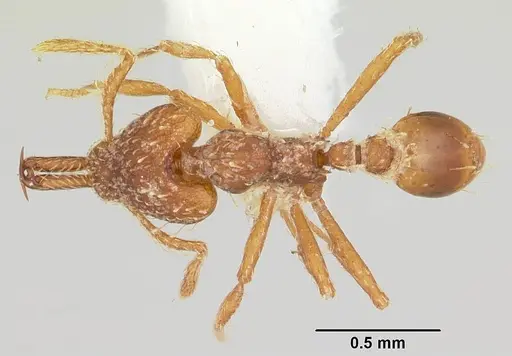
CASENT0900786
AntWeb'de Görüntüle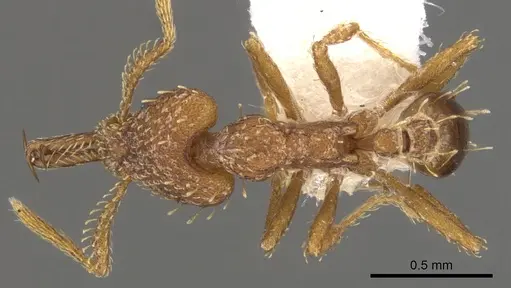
Literatür
Dağılım haritası yükleniyor...Ürünler yükleniyor...