
Strumigenys benulia
- Bilimsel Adı
- Strumigenys benulia
- Oymak (Tribe)
- Attini
- Alt Familya
- Myrmicinae
- Yazar (Tanımlayan)
- Bolton, 2000
- Dağılım
- 0 ülkede bulundu
Giriş
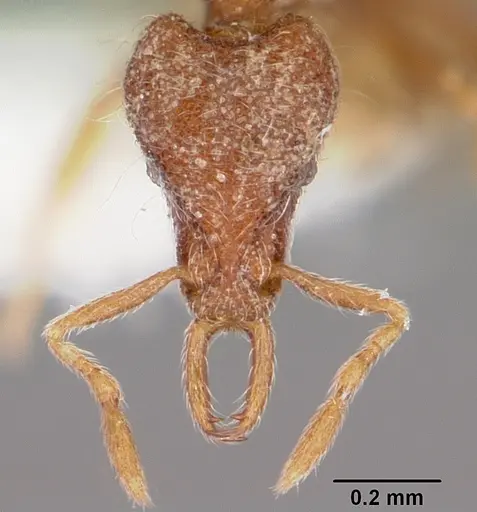
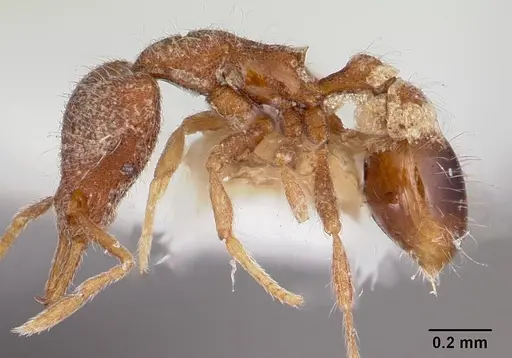
Strumigenys benulia is a tiny predatory ant native to Thailand. Workers measure 2.1 mm in total length , while queens are slightly larger at 2.7 mm . This species belongs to the dacetine group within tribe Attini (subfamily Myrmicinae) . Workers have a compact build, with short triangular propodeal teeth and numerous long, flagellate hairs projecting from the head, body, and legs . The species was first described by Bolton in 2000,and its known range extends across central, southern, and now northeastern Thailand, including a 500 km range extension to Sakon Nakhon province . These ants inhabit secondary forests at elevations around 530 m, where they hunt tiny arthropods in the leaf litter and soil layer .
Quick Summary
- Difficulty: Medium
- Origin & Habitat: Thailand (Phetchaburi and Sakon Nakhon provinces). Found in secondary forests at 530 m elevation [2][1].
- Colony Type: Unknown, but likely single-queen (monogyne) based on typical Strumigenys patterns, as no polygyny has been reported for this species. Colony size is probably small.
- Size & Growth:
- Queen: 2.7 mm TL [2]
- Worker: 2.1 mm TL [1]
- Colony: Unknown, likely under 100 workers (typical of dacetine ants)
- Growth: Unknown, likely slow to moderate
- Development: Unknown, estimated 6-10 weeks at optimal temperatures based on related species (Specific data unavailable, development likely depends on stable warmth and humidity)
- Antkeeping:
- Temperature: Keep at 24-28°C, mimicking their tropical lowland forest habitat. A slight heat gradient is beneficial
- Humidity: High humidity required, maintain substrate consistently damp but not waterlogged. Occasional condensation on nest walls is normal
- Diapause: No, this tropical species from Thailand does not require hibernation. Keep warm year-round
- Nesting: Prefers tight, humid chambers. Y-tong (AAC) nests or test tubes with damp substrate work well. Ensure darkness and excellent escape prevention due to tiny size
- Behavior: Slow-moving, cryptic predators that hunt small arthropods in the leaf litter. They are not aggressive and pose no significant threat to keepers, their primary response is retreat. Their very small size (2-3 mm) makes escape prevention critical, they can slip through standard test tube barriers. Workers are shy and spend most time hidden in the nest substrate. They are not suitable for keepers who want highly active or visible colonies.
- Common Issues: escape prevention is critical due to their tiny 2-3 mm size, use fine mesh or fluon barriers, high humidity needs can lead to mold if ventilation is poor, slow growth may tempt overfeeding or unnecessary colony disturbance, wild-caught colonies may contain specialized parasites adapted to Strumigenys, specialized diet (live micro-prey) means they may refuse standard ant foods
Housing and Nest Setup
Strumigenys benulia requires a humid, dark setup that mimics their forest-floor habitat. A Y-tong (AAC) nest with tight chambers or a test tube with damp substrate (e.g., plaster or soil) works well. The key is maintaining high humidity without waterlogging, use small ventilation holes and monitor for mold. Because these ants are only about 2 mm long, escape prevention is critical: standard cotton barriers may not be enough, use fine mesh (≤ 0.5 mm) or fluon on all openings. Connect a small outworld for feeding to avoid disturbing the nest. Keep the nest area dark or covered, as these cryptic ants prefer dim conditions.
Feeding and Diet
Strumigenys benulia is a specialized predator that hunts tiny arthropods. In captivity, their primary food should be live springtails (Collembola), which are the ideal size. Other small live prey such as micro-mites, newly hatched pinhead crickets, or other minute soil arthropods may also be accepted. Unlike many ants, they typically ignore sugar water or honey. Do not rely on dead prey, these ants are active hunters that prefer moving targets. Offer small amounts of live prey every few days, removing any uneaten after 24 hours to prevent mold. Their specialized diet makes them more challenging to feed than omnivorous ants.
Temperature and Humidity
As a tropical species from secondary forests in Thailand (530 m elevation), Strumigenys benulia needs warm, humid conditions. Keep the nest area at 24-28°C to support normal activity and brood development. A small heating cable on one side of the nest can create a gentle gradient, but ensure the other side stays cooler so ants can thermoregulate. Humidity is critical: maintain substrate that is damp to the touch, with occasional condensation on nest walls. Avoid standing water, colonies can drown. Mist the outworld occasionally but avoid directly wetting the nest chamber. Low humidity is a common cause of colony failure in these forest ants].
Colony Development
Founding behavior for this species is unconfirmed, but based on related Strumigenys, queens are likely semi-claustral or claustral (sealing themselves in a chamber to raise the first brood). The first workers (nanitics) appear slowly, development from egg to worker probably takes 6-10 weeks at optimal temperature. Once the colony has 10-20 workers, growth may accelerate but remains modest. Colonies likely max out under 100 workers, typical of dacetine ants. Be patient, rushing or frequent disturbance can cause queen stress or brood abandonment. Avoid checking the founding chamber too often.
Behavior and Temperament
Strumigenys benulia is a shy, non-aggressive species that poses no danger to keepers. Workers are slow-moving and spend most of their time hunting in the leaf litter layer within the nest. They have specialized mandibles (with a small preapical tooth) used to capture small prey like springtails [1]. Unlike many ants, they do not form raiding parties or display territorial aggression. When threatened, they prefer to retreat. Their small size and cryptic nature make them fascinating to observe but easy to lose track of in the nest. They are not suitable for keepers who want highly active, visible colonies, these ants require patience and minimal disturbance.
Frequently Asked Questions
How long does it take for Strumigenys benulia to have first workers?
Development time from egg to first worker is unknown but estimated at 6-10 weeks at 24-28°C, based on related dacetine ants. Founding colonies grow slowly, so patience is essential.
What do Strumigenys benulia ants eat?
They are specialized predators that need live small arthropods. Live springtails are the best primary food. Other tiny live prey (e.g., micro-mites, pinhead crickets) may be accepted, but they typically ignore dead food and sugar sources.
Can I keep Strumigenys benulia in a test tube?
Yes, with modifications. Use a test tube with damp substrate (e.g., plaster or soil) and excellent escape prevention due to their tiny 2 mm size, standard cotton barriers may not suffice. Use fine mesh or fluon on all openings. Keep the tube humid and dark, and connect a small outworld for feeding.
Are Strumigenys benulia good for beginners?
No, they are considered intermediate to advanced. Their specialized live-prey diet, high humidity needs, tiny size making escape likely, and slow growth require experienced keeper attention. They are not recommended as a first ant.
Do Strumigenys benulia need hibernation?
No, they are tropical ants from Thailand and do not require hibernation. Keep them warm year-round at 24-28°C. Exposure to cold temperatures can kill the colony.
How big do Strumigenys benulia colonies get?
Colony size is unknown but likely under 100 workers, based on typical Strumigenys patterns. They are not large colony formers, expect a modest colony even at maturity.
Why is my Strumigenys benulia colony dying?
Common causes include: low humidity (they need damp conditions), wrong temperature (too cold kills them), lack of appropriate live prey (starvation), or escape (their tiny size makes containment difficult). Check your setup and adjust these parameters.
When should I move Strumigenys benulia to a formicarium?
Wait until the colony has at least 20-30 workers and is actively foraging in an outworld. Moving too early can disturb the queen and cause colony failure. A Y-tong nest works well once the colony is established.
Can I keep multiple Strumigenys benulia queens together?
The colony structure is unconfirmed for this species, but most Strumigenys are monogyne. Combining unrelated queens is not recommended and will likely result in aggression or death. It's safest to keep only one queen per colony.
Report an Issue
The current care sheet is based fully on literature. See inconsistencies, or something that's incorrect? Please , it will be resolved after review from an admin. Contributing to the blogs tab also helps providing information, to make us be able to further improve the caresheets. Thank you for your support!
References

Bu bakım rehberi şu lisans altındadır: CC BY-SA 4.0 .
Topluluk Blogları
CASENT0102636
AntWeb'de Görüntüle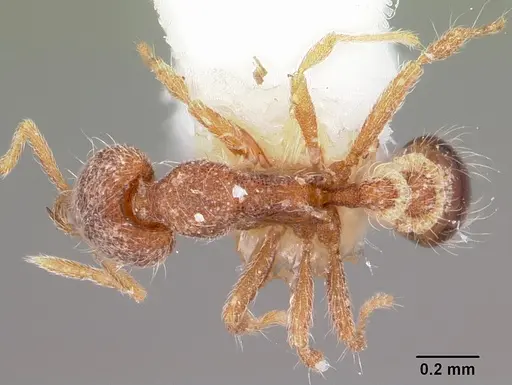
Literatür
Dağılım haritası yükleniyor...Ürünler yükleniyor...