
Stictoponera crassicornis
- Bilimsel Adı
- Stictoponera crassicornis
- Oymak (Tribe)
- Ectatommini
- Alt Familya
- Ectatomminae
- Yazar (Tanımlayan)
- Forel, 1912
- Dağılım
- 0 ülkede bulundu
Giriş
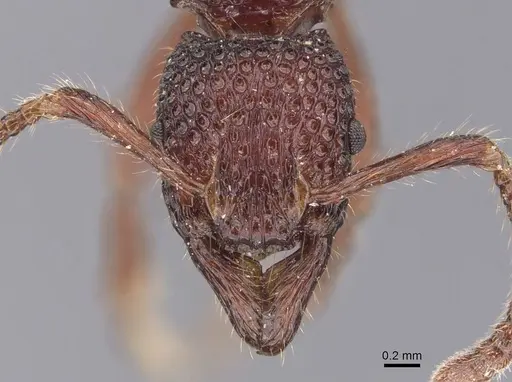
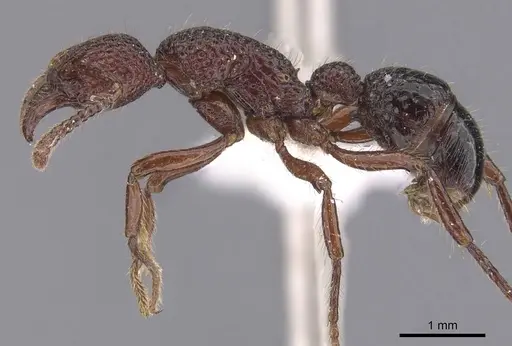
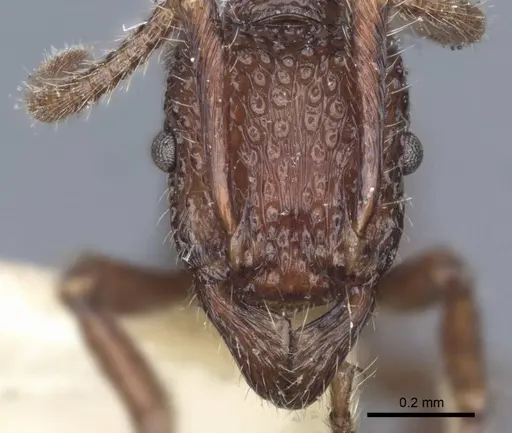
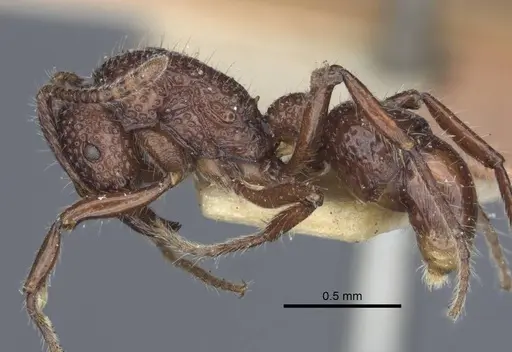
Stictoponera crassicornis is a medium-sized ant species originally described from Java, Indonesia. Workers measure approximately 6mm in length and have a distinctive slender body with a uniformly reddish-brown coloration and a shiny appearance . The head is parallel-sided with large, protruding oval eyes, and the body is densely covered with long erect hairs . This species is now considered a junior synonym of Gnamptogenys crassicornis, placing it in the subfamily Ectatomminae . In nature, these ants are found in the Indo-Australasian region, typically in humid, shaded environments like forest floors and gardens where they hunt as solitary predators . As an ectatommine ant, Stictoponera crassicornis is a predatory species that hunts small invertebrates. They are not aggressive toward humans but possess a functional sting for subduing prey. These ants are relatively rare in the antkeeping hobby and represent an interesting species for those looking to keep a predatory Poneromorph ant.
Quick Summary
- Difficulty: Medium
- Origin & Habitat: Java, Indonesia, found in humid, shaded areas such as botanical gardens and forest floors [1][2]
- Colony Type: Likely monogyne (single queen) based on typical Ectatomminae colony structure, unconfirmed for this specific species
- Size & Growth:
- Queen: Unknown, no documented measurements available
- Worker: 6mm [1]
- Colony: Unknown, likely small to moderate based on related Gnamptogenys species
- Growth: Moderate, inferred from similar Ectatomminae species
- Development: Estimated 6-10 weeks at tropical temperatures (25-28°C) based on related Gnamptogenys species (Development timeline is inferred from genus-level data since specific development studies are not available for this species)
- Antkeeping:
- Temperature: Keep at 24-28°C, these are tropical ants from Java that prefer warm, stable conditions. A heating cable on one side of the nest can help maintain warmth if room temperature is below this range.
- Humidity: High humidity (70-85%), they come from humid tropical environments. Keep the nest substrate consistently moist but not waterlogged. Provide a water reservoir for humidity.
- Diapause: No, as a tropical species from Java, they do not require hibernation. Maintain consistent temperatures year-round.
- Nesting: Ectatomminae ants typically nest in soil, under stones, or in rotting wood. In captivity, a naturalistic setup with moist substrate or a Y-tong/plaster nest works well. They prefer dark, humid nesting chambers.
- Behavior: These ants are solitary predators that hunt small invertebrates. Workers are active foragers and will hunt springtails, small insects, and other micro-arthropods. They possess a functional sting but are not particularly aggressive toward keepers, they will retreat rather than attack when disturbed. Workers are fast-moving and can be skittish. Escape prevention is important as they are agile and can squeeze through small gaps. They are not known for major escape attempts but standard precautions apply.
- Common Issues: tropical humidity requirements can be difficult to maintain consistently, leading to mold or desiccation, predatory diet means they require live food, colonies can struggle if only dead prey is offered, slow colony growth compared to common species may lead to keeper impatience and overfeeding, wild-caught colonies may carry parasites that can decimate the colony in captivity, temperature drops below 22°C can slow activity and potentially harm brood
Housing and Nest Setup
Stictoponera crassicornis does well in naturalistic setups that replicate their natural humid forest floor habitat. A setup with moist substrate (a mix of soil and sand) allows them to dig chambers and create tunnels. Alternatively, Y-tong (AAC) nests or plaster nests work well, just ensure the nesting area remains humid and dark. Place the nest in a quiet area away from direct sunlight and vibrations. An outworld (foraging area) should be connected to the nest via tubing. Because they are predatory, they need access to live prey in the outworld. Use a water tube or cotton reservoir to maintain humidity in the nest chamber.
Feeding and Diet
As a predatory ectatommine ant, Stictoponera crassicornis requires live protein prey. Offer small live insects such as fruit flies, pinhead crickets, small mealworms, and most importantly, springtails, these are ideal for their size and simulate their natural prey. They will hunt and subdue prey using their sting. Some keepers report that they occasionally accept protein jelly or dead prey, but live food is essential for establishing and growing colonies. Feed every 2-3 days, adjusting based on colony size and consumption. Remove uneaten prey after 24 hours to prevent mold.
Temperature and Seasonal Care
Maintain temperatures between 24-28°C year-round. These tropical ants from Java do not tolerate cool conditions well, temperatures below 22°C can reduce activity and harm developing brood. Use a heating cable or mat under one side of the nest to create a gentle warmth gradient if your room temperature is below this range. Place the heating on TOP of the nest, not underneath, to avoid drying out the substrate. No hibernation or diapause is required. Keep humidity high (70-85%) by misting the outworld occasionally and ensuring the nest has a water reservoir. Avoid temperature fluctuations and drafts.
Behavior and Handling
Workers are active foragers that hunt alone, characteristic of many Ectatomminae species. They are not aggressive toward humans and will typically flee when disturbed rather than attack. However, they possess a functional sting that they use to subdue prey, the sting can cause mild irritation but is not dangerous to healthy adults. They are fast-moving and can be skittish, especially when the colony is small. Observe them hunting in the outworld, it's fascinating to watch them locate and capture prey. Colonies are likely to remain modest in size compared to common house ants.
Frequently Asked Questions
How long does it take for Stictoponera crassicornis to produce first workers?
Based on related Gnamptogenys species, expect first workers (nanitics) approximately 6-10 weeks after the queen lays eggs, assuming temperatures are maintained at 25-28°C. Growth is moderate, be patient as colony establishment takes time.
Can I keep Stictoponera crassicornis in a test tube setup?
A test tube setup can work for founding colonies, but you will need to transition them to a more spacious setup as the colony grows. Test tubes dry out quickly, so monitor humidity closely. A naturalistic or Y-tong setup is preferable for established colonies.
Do Stictoponera crassicornis ants sting?
Yes, they have a functional sting used to subduce prey. However, they are not aggressive toward keepers and will typically flee rather than sting when handled roughly. The sting causes mild irritation similar to a mosquito bite.
What do Stictoponera crassicornis eat?
They are predatory ants that require live protein prey. Springtails are ideal, along with small fruit flies, pinhead crickets, and small mealworms. Some keepers report they may accept protein jelly or dead insects experimentally, but live food is essential.
Are Stictoponera crassicornis good for beginners?
This species is rated as medium difficulty and is not recommended for complete beginners. Their requirements for live prey, high humidity, and warm tropical temperatures require more attention than common species like Lasius or Camponotus. Experienced antkeepers will have more success.
How big do Stictoponera crassicornis colonies get?
Colony size is not well documented, but based on related Gnamptogenys species, colonies likely reach several hundred workers at maturity. They are not known for reaching the massive colony sizes of many common ant species.
Do Stictoponera crassicornis need hibernation?
No, they do not require hibernation. As tropical ants from Java, Indonesia, they need consistent warm temperatures (24-28°C) year-round. Temperature drops can harm the colony.
When should I move my colony to a formicarium?
Move to a larger setup when the test tube or founding setup becomes crowded, typically when the colony reaches 20-30 workers. Ensure the new setup maintains high humidity and has an adequate foraging area for hunting live prey.
Why are my Stictoponera crassicornis dying?
Common causes include: low humidity (below 60%), temperatures below 22°C, mold from overwatering, lack of live prey, or parasites from wild-caught colonies. Check all husbandry parameters and ensure you are offering appropriate live food.
Can I keep multiple queens together?
Combining unrelated queens has not been documented for this species. Based on typical Ectatomminae behavior, it is likely monogyne (single queen). Keeping multiple queens together is not recommended.
Report an Issue
The current care sheet is based fully on literature. See inconsistencies, or something that's incorrect? Please , it will be resolved after review from an admin. Contributing to the blogs tab also helps providing information, to make us be able to further improve the caresheets. Thank you for your support!
References

Bu bakım rehberi şu lisans altındadır: CC BY-SA 4.0 .
Topluluk Blogları
CASENT0281843
AntWeb'de Görüntüle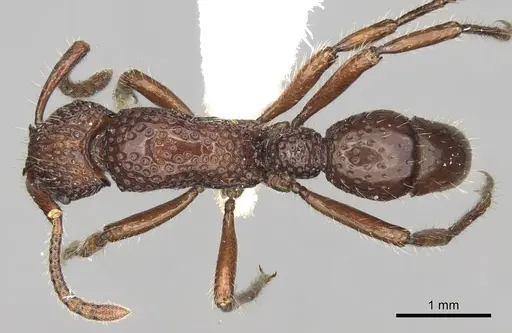
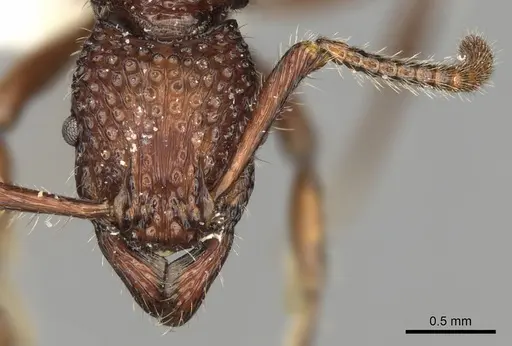
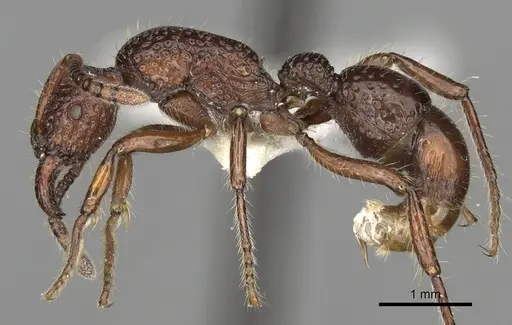
CASENT0907196
AntWeb'de Görüntüle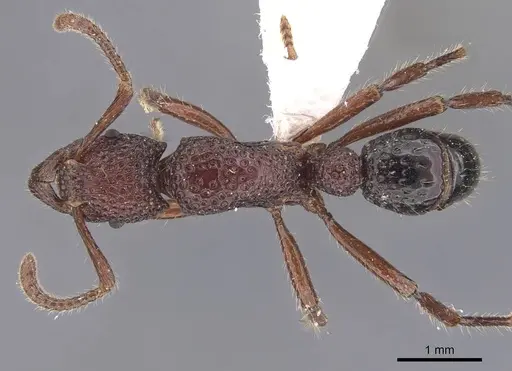
CASENT0916805
AntWeb'de Görüntüle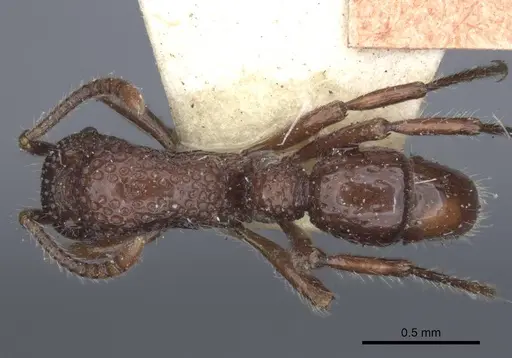
Literatür
Dağılım haritası yükleniyor...Ürünler yükleniyor...