
Stenamma msilanum
- Bilimsel Adı
- Stenamma msilanum
- Oymak (Tribe)
- Stenammini
- Alt Familya
- Myrmicinae
- Yazar (Tanımlayan)
- Forel, 1901
- Dağılım
- 0 ülkede bulundu
Giriş
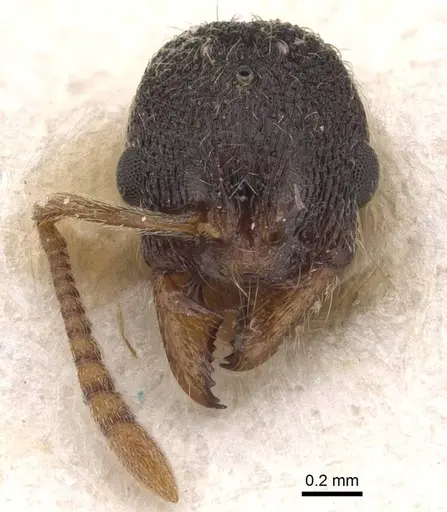
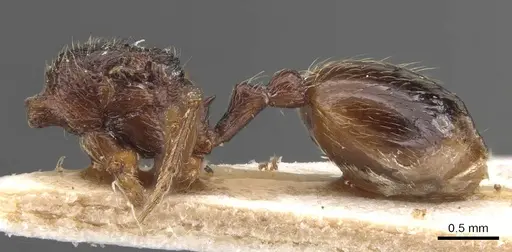
Stenamma msilanum is a small Myrmicinae ant species belonging to the westwoodii species group . Queens measure about 4.7 mm in total length . This ant has a dark coloration similar to *Stenamma debile* but can be told apart by its longer appendages and fully straight waist sternites in profile . It is native to the western Mediterranean, found in scattered forests of Algeria, Morocco, and Tunisia . Originally described as a variety of *Stenamma westwoodi*, it was raised to full species status in 1998 .
Quick Summary
- Difficulty: Unknown, likely challenging due to lack of documented care data
- Origin & Habitat: Native to the western Mediterranean (Algeria, Morocco, Tunisia) in the Palaearctic region. Found in scattered forest habitats including the Forêt de Msila (Algeria), and locations in Morocco such as Amizmiz, Ifrane, and Aghbala [3][4][5].
- Colony Type: Unconfirmed, no documented information on queen number or social structure.
- Size & Growth:
- Antkeeping:
- Temperature: Not documented. Based on Mediterranean forest habitat, a reasonable starting point is room temperature around 20-22 °C, but keep a thermometer to monitor.
- Humidity: Not documented. Likely prefers moderate humidity typical of forest floors. Keep the nest substrate consistently moist but not waterlogged, with some drier spots.
- Diapause: Likely yes, as a temperate species from the Mediterranean, a winter rest period is probable. If provided, gradually cool the colony to 5-10 °C for a few months (8-12 weeks is a common length for related species). However, this has not been confirmed for *S. msilanum*.
- Nesting: No specific nesting data for this species. In nature, Stenamma often nest in soil or under stones. A naturalistic setup with soil substrate or a plaster nest with moisture control is a sensible first try.
- Behavior: Not documented. As a Myrmicinae, they have a functional stinger but are unlikely to be aggressive. Escape risk is low to moderate given their small size (queen ~4.7 mm). Foraging habits are unknown.
- Common Issues: lack of established care protocols makes husbandry experimental, no feeding or temperature guidelines are validated for this species, wild-caught queens may struggle to adapt to captive conditions, very slow or absent colony growth may discourage keepers, difficulty maintaining proper moisture levels without data to guide you
Species Identification and Distinction
Stenamma msilanum belongs to the westwoodii species group [1]. The queen (gyne) is about 4.7 mm in total length, dark in color, and looks similar to Stenamma debile but differs in having clearly longer appendages and fully straight waist sternites when viewed in profile [2]. The species was originally named as a variety of Stenamma westwoodii and later raised to full species by DuBois (1998) [1]. Junior synonyms include Stenamma africanum and Stenamma africanum [1]. Worker measurements are not available in published literature.
Natural Distribution and Habitat
This species occurs in the western Mediterranean: Algeria (type locality Oran, Forêt de Msila), Morocco (Amizmiz, Ifrane, Aghbala), and Tunisia [3][4]. It lives in scattered forest habitats and is classified as Palaearctic and extratropical [5]. The exact microhabitat (e.g., soil, leaf litter) is not described.
Housing and Nesting
No specific nesting data exists for S. msilanum. Based on the genus, they likely nest in soil or under stones in forests. For captivity, a naturalistic setup with soil substrate (e.g., a mix of sand and clay) or a plaster/Y‑tong nest with a moisture gradient is a reasonable choice. Provide a shallow water reservoir and avoid waterlogging the nest. Because the ants are small, make sure connections to the outworld are tight and use escape prevention (e.g., fluon or oil barriers).
Feeding and Diet
No feeding studies have been done on this ant. Stenamma species are believed to be generalist omnivores. In captivity, offer small live prey such as fruit flies (Drosophila), springtails, or small pinhead crickets. You can also try sugar water or honey water, but acceptance may vary. Feed small amounts 2-3 times per week and remove uneaten food to prevent mold. Always provide a clean water source.
Temperature and Seasonal Care
There are no documented temperature requirements. Given its Mediterranean forest origin, keep the colony at room temperature (20-22 °C) as a starting point. If you want to try diapause, gradually lower the temperature in autumn to 5-10 °C for about 8-12 weeks, then slowly warm back up. However, it is not confirmed whether this species needs hibernation, so observe the colony’s activity and adjust accordingly.
Colony Development and Growth
Nothing is known about the development or growth of this ant. The founding type is unconfirmed, it could be claustral or semi‑claustral. Expect very slow colony growth, if any. Be patient and avoid disturbing the colony often. No reliable estimates of egg‑to‑worker time or colony size can be given.
Frequently Asked Questions
How do I identify Stenamma msilanum ants?
Queens are about 4.7 mm long, dark, with longer appendages than related Stenamma debile and straight waist sternites in side view [2]. Workers have not been measured in the literature.
Where is Stenamma msilanum found in the wild?
It is native to Algeria, Morocco, and Tunisia, living in scattered forests [3][4].
What do Stenamma msilanum ants eat?
Not studied. As a generalist omnivore, it likely accepts small live prey (fruit flies, springtails) and sugar water. Offer these and observe.
What temperature and humidity do they need?
No data. Based on Mediterranean forests, aim for room temperature (~20-22 °C) and moderate humidity, keep the nest substrate moist but not wet.
Do Stenamma msilanum ants need hibernation?
Probably yes, temperate species often need a winter rest. If you try, cool gradually to 5-10 °C for 8-12 weeks, then warm up. This is speculative.
How long does it take for Stenamma msilanum to develop from egg to worker?
Unknown, no developmental data exists for this species.
How big do Stenamma msilanum colonies get?
No data. Colony size is unknown.
Are Stenamma msilanum ants aggressive?
Not documented. As Myrmicinae, they have a stinger but are likely timid. No reports of strong aggression exist.
Can I keep multiple Stenamma msilanum queens together?
Not documented. Based on typical Stenamma patterns, they are probably monogyne (single queen). Do not combine queens without evidence.
Is Stenamma msilanum suitable for beginners?
No, almost nothing is known about its captive care. It is recommended only for experienced keepers who are willing to experiment and accept potential failure.
Report an Issue
The current care sheet is based fully on literature. See inconsistencies, or something that's incorrect? Please , it will be resolved after review from an admin. Contributing to the blogs tab also helps providing information, to make us be able to further improve the caresheets. Thank you for your support!
References

Bu bakım rehberi şu lisans altındadır: CC BY-SA 4.0 .
Topluluk Blogları
CASENT0907678
AntWeb'de Görüntüle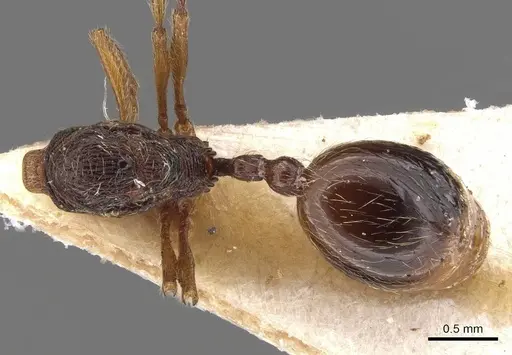
Literatür
Dağılım haritası yükleniyor...Ürünler yükleniyor...