
Solenopsis lotophaga
- Bilimsel Adı
- Solenopsis lotophaga
- Oymak (Tribe)
- Solenopsidini
- Alt Familya
- Myrmicinae
- Yazar (Tanımlayan)
- Santschi, 1911
- Dağılım
- 0 ülkede bulundu
Giriş
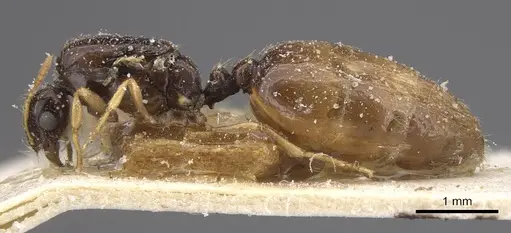
Solenopsis lotophaga is a small ant species native to Tunisia in North Africa . Workers are tiny, typically 2-4mm, with the characteristic two-segmented petiole and sting typical of the Solenopsis genus. The species was originally described by Santschi in 1911 from specimens collected on the island of Djerba and from Kairouan in central Tunisia . This is one of the few Solenopsis species found in the Palaearctic region, most of which are known from the Americas and tropical areas. The genus is part of the Solenopsidini tribe, which includes ants capable of delivering a sting .
Quick Summary
- Difficulty: Unknown, limited data available
- Origin & Habitat: Tunisia (North Africa), found on the island of Djerba and around Kairouan in semi-arid Mediterranean habitat [2][1]
- Colony Type: Unconfirmed, colony structure has not been documented
- Size & Growth:
- Queen: Unconfirmed, the type specimen was a winged queen but exact measurements not specified in available literature [2]
- Worker: Approximately 2-4mm based on typical Solenopsis worker size range
- Colony: Unknown, no colony size data available
- Growth: Unknown
- Development: Unknown, no development data available for this species (Development timeline unconfirmed. Based on typical Solenopsis patterns, expect 4-8 weeks at warm temperatures but this is an estimate only)
- Antkeeping:
- Temperature: Unconfirmed, likely tolerates moderate temperatures given Tunisia's Mediterranean climate. Based on related species, room temperature (18-24°C) is likely suitable as a starting point
- Humidity: Unconfirmed, likely prefers drier conditions typical of semi-arid North Africa. Allow substrate to dry partially between waterings
- Diapause: Likely, many North African ants enter a period of reduced activity during cooler months. A cool period around 10-15°C for 2-3 months may be beneficial
- Nesting: Unknown, no natural nesting observations documented. Likely nests in soil or under stones in dry habitats, similar to other Solenopsis species
- Behavior: Behavior is unstudied in captivity. Based on genus patterns, they are likely predatory on small invertebrates and may tend aphids for honeydew. They possess a sting and may be defensive if provoked. Their small size makes escape prevention important, use fine mesh barriers
- Common Issues: very limited species-specific information makes care recommendations uncertain, taxonomic confusion exists, the 2014 queen may represent a different species [2], no captive breeding records available to confirm successful husbandry, small size requires excellent escape prevention
Taxonomic Background
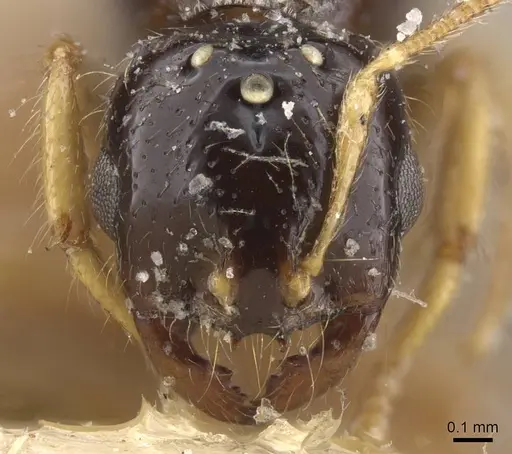
Solenopsis lotophaga was described by Felix Santschi in 1911 based on specimens collected from Djerba Island and Kairouan in Tunisia [2]. The original description was based on a single winged queen collected by Weiss in 1909. A 2014 examination revealed that this queen differs from the type specimen in several ways: the head is slightly more elongated, the clypeal teeth are less pronounced, and there is an absence of the lobe under the petiole [2]. These differences suggest the 2014 queen may belong to a different species, and it appears at least two Solenopsis species exist on Djerba [2]. This taxonomic uncertainty means captive colonies may not be true S. lotophaga if sourced from this region.
Distribution and Habitat
This species is known only from Tunisia in North Africa, making it one of the few Solenopsis species in the Palaearctic region [1]. The type localities are Djerba Island in the Gulf of Gabès and Kairouan in central Tunisia [2]. Djerba is a Mediterranean island with a semi-arid to arid climate, while Kairouan is inland in a more continental setting. The habitat likely consists of dry, open areas with sparse vegetation. This suggests the species is adapted to warmer, drier conditions than many other Myrmicinae ants.
Keeping Considerations
This species cannot be recommended for beginners due to the complete lack of captive care information. If you acquire this species, treat it as a typical Solenopsis ant: provide a small nest with moderate humidity that can dry out partially, keep at room temperature (18-24°C), and offer small live prey like fruit flies or pinhead crickets. Use excellent escape prevention, even tiny ants can squeeze through small gaps. Do not release any ants in North America or other regions where Solenopsis species have become invasive. Given the taxonomic uncertainty surrounding this species, exact identification may be difficult without expert examination.
Related Species
Solenopsis is a large genus with hundreds of species worldwide, most abundant in the Americas. The well-known fire ant (Solenopsis invicta) is a major invasive species in many regions. Tunisian Solenopsis are poorly studied compared to their American relatives. Other Solenopsis species in the Mediterranean region include Solenopsis orbula and Solenopsis emigrata. The North African fauna likely contains several cryptic species that require careful taxonomic study [2].
Frequently Asked Questions
How do I care for Solenopsis lotophaga ants?
Care recommendations are largely speculative due to limited species-specific data. Treat them as typical small Solenopsis: keep at room temperature (18-24°C), provide moderate humidity that can partially dry, and feed small live prey. This species cannot be recommended for beginners due to the lack of captive breeding records.
What do Solenopsis lotophaga eat?
Unconfirmed, but based on genus patterns they likely accept small live invertebrates (fruit flies, springtails, tiny crickets) and may also consume honeydew from aphids. Offer protein prey regularly and sugar water occasionally.
How big do Solenopsis lotophaga colonies get?
Unknown, no colony size data is available for this species. Based on typical Solenopsis patterns, colonies likely reach dozens to a few hundred workers.
Can I keep multiple Solenopsis lotophaga queens together?
Unconfirmed, colony structure has not been documented for this species. Do not combine unrelated queens unless you have specific evidence they will accept each other.
Do Solenopsis lotophaga need hibernation?
Likely yes, based on the temperate to semi-arid climate of Tunisia, a cool period around 10-15°C for 2-3 months during winter is probably beneficial.
What is the egg to worker timeline for Solenopsis lotophaga?
Unconfirmed, no development data exists for this species. Based on related Solenopsis species, expect approximately 4-8 weeks from egg to worker at warm temperatures, but this is an estimate only.
Are Solenopsis lotophaga good for beginners?
No, this species cannot be recommended for beginners due to the complete lack of species-specific care information. Choose a better-documented species like Lasius niger or Messor barbarus for your first colony.
Where is Solenopsis lotophaga found?
This species is known only from Tunisia, specifically from Djerba Island and the city of Kairouan. It is one of the few Solenopsis species in the Palaearctic region.
Is my colony actually Solenopsis lotophaga?
There is significant taxonomic confusion around this species. The 2014 queen from Djerba appears to differ from the type specimen, suggesting at least two Solenopsis species exist on the island. Expert identification may be required to confirm species identity.
Report an Issue
The current care sheet is based fully on literature. See inconsistencies, or something that's incorrect? Please , it will be resolved after review from an admin. Contributing to the blogs tab also helps providing information, to make us be able to further improve the caresheets. Thank you for your support!
References

Bu bakım rehberi şu lisans altındadır: CC BY-SA 4.0 .
Topluluk Blogları
CASENT0913905
AntWeb'de Görüntüle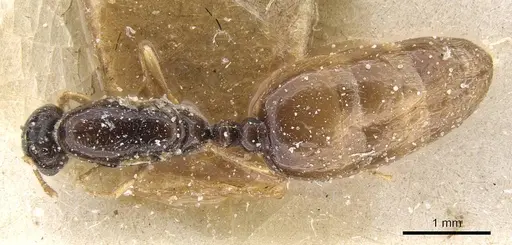
Literatür
Dağılım haritası yükleniyor...Ürünler yükleniyor...