
Pseudolasius salvazai
- Bilimsel Adı
- Pseudolasius salvazai
- Oymak (Tribe)
- Lasiini
- Alt Familya
- Formicinae
- Yazar (Tanımlayan)
- Santschi, 1920
- Dağılım
- 0 ülkede bulundu
Giriş
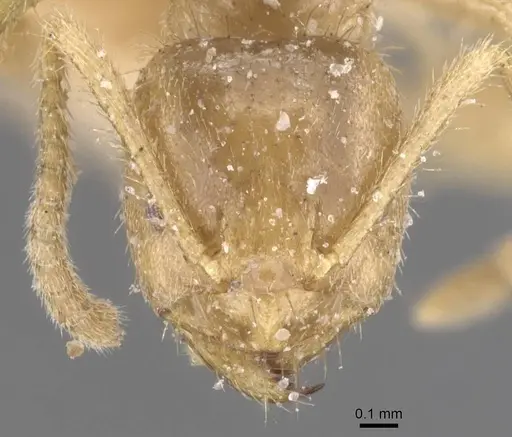
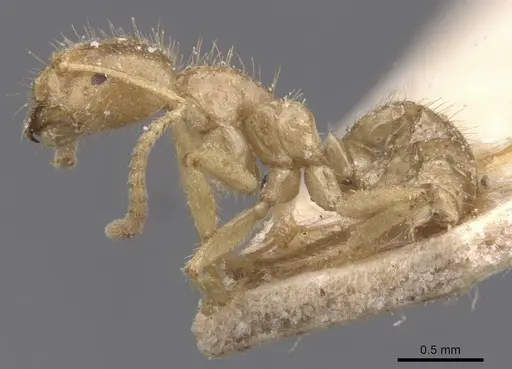
Pseudolasius salvazai is a medium-sized ant species in the subfamily Formicinae. Major workers measure about 6 mm in total length and have a reddish-brown body with a darker brown gaster . The head is distinctly heart-shaped, and the occipital margin is deeply rounded . This species is known from Vietnam and southern China (Tonkin region), so it comes from tropical to subtropical climates . As a member of the Lasiini tribe, it's related to familiar Lasius ants, but very little is actually known about its biology.
Quick Summary
- Difficulty: Unknown, very limited data
- Origin & Habitat: Vietnam and southern China (Tonkin), tropical to subtropical Indomalaya region [2][1]
- Colony Type: Unconfirmed, not documented
- Size & Growth:
- Queen: Unknown, not described in literature
- Worker: Major workers ~6 mm [1] (minor workers not described)
- Colony: Unknown
- Growth: Unknown
- Development: Estimated 6-8 weeks based on typical Formicinae patterns at 24-26°C (not confirmed) (No direct data exists for this species)
- Antkeeping:
- Temperature: 24-28°C, inferred from tropical origin [1]. Provide a gradient if possible.
- Humidity: Moderately moist substrate, similar to other tropical Formicinae.
- Diapause: Unknown, likely not required due to tropical origin, but a mild cool period (15-18°C) may be beneficial, unconfirmed.
- Nesting: Unconfirmed. Based on genus patterns, they likely nest in soil or under stones [2]. Y‑tong (AAC) or soil nests are suitable.
- Behavior: Behavior undocumented. Based on Formicinae subfamily, likely docile, medium size (6 mm) suggests moderate escape risk. Fine mesh recommended.
- Common Issues: species is poorly studied, most care advice is inferred from related ants, no documented colony structure or queen number, development timeline is unconfirmed for this species, wild-caught colonies may carry unknown parasites, escape prevention should be solid as keeping conditions are experimental
Nest Preferences and Housing
Natural nesting habits are unknown for Pseudolasius salvazai [2]. Based on the genus, they may nest in soil or under stones, but this is just a guess. For captive care, a naturalistic setup with moist substrate works well. Y‑tong (AAC) or plaster nests also provide good humidity control and visibility. Because we don't know their preference, offering a choice between areas with different moisture levels can help you learn what works. A simple outworld with a shallow water source and moderate ventilation is fine.
Feeding and Diet
Specific feeding preferences have not been studied [2]. As a Formicinae ant, they likely accept sugar sources like honey water or sugar water, and protein in the form of small insects. In the wild they probably tend aphids for honeydew. Offer a constant sugar source and protein 2-3 times a week. Remove uneaten prey after 24 hours. Watch your colony to learn what they prefer.
Temperature and Seasonal Care
Pseudolasius salvazai comes from Vietnam and southern China (tropical/subtropical) [1]. Keep the nest area at 24-28°C. A gentle temperature gradient with a heating cable on one side lets workers self‑regulate. Because the species is from a region without harsh winters, they likely don't need true hibernation. A slight cooling to 15-18°C over winter may simulate seasonal changes but isn't proven to be necessary. Avoid temperatures below 15°C or above 30°C.
Behavior and Colony Dynamics
No behavioral studies exist for Pseudolasius salvazai [2]. As a Formicinae ant, typical behaviors include ground foraging, tending aphids, and brood care. Their 6‑mm size suggests moderate activity. Colony structure (single queen vs. multiple queens) is unknown. Handle carefully, Formicinae are generally docile, but they may bite if threatened. Use fine mesh on the outworld to prevent escapes.
Acquiring and Establishing a Colony
This species is rare in the hobby and hard to find. Any colony you obtain is likely wild‑caught from its native range. Quarantine new wild‑caught colonies and watch for parasites. For a new queen, a simple test‑tube setup with a water reservoir works. Allow 2-3 weeks for the queen to lay eggs and for workers to establish. Offer protein only after you see foraging. Because data is limited, careful observation is your best tool.
Frequently Asked Questions
How long does it take for Pseudolasius salvazai to produce first workers?
The exact timeline is unknown. Based on typical Formicinae patterns, first nanitics may appear 6-8 weeks after eggs are laid at 24-26°C. This is an estimate.
What do Pseudolasius salvazai ants eat?
Specific diet is unstudied. As Formicinae, they likely accept sugar water and small insects [2]. Offer a constant sugar source and protein 2-3 times a week.
Can I keep Pseudolasius salvazai in a test tube?
Yes, test tubes are fine for founding a colony. Set up a water reservoir with a cotton plug. Move to a larger nest as the colony grows.
What temperature do Pseudolasius salvazai ants need?
Keep nests at 24-28°C, based on their tropical origin [1]. A slight gradient is beneficial.
Are Pseudolasius salvazai good for beginners?
No, this species is poorly documented, making it unsuitable for beginners. Start with a common, well‑studied species.
How big do Pseudolasius salvazai colonies get?
Colony size is unknown. Related Formicinae can reach several hundred to a few thousand workers over multiple years.
Do Pseudolasius salvazai need hibernation?
Hibernation is unconfirmed. As a tropical species, formal hibernation is probably not needed, but a mild cool period (15-18°C) is an optional experiment.
Is Pseudolasius salvazai a monogyne or polygyne species?
Colony structure has not been documented. The number of queens per colony is unknown.
When do Pseudolasius salvazai have nuptial flights?
Flight timing is unconfirmed. For tropical Asian species, flights usually happen during warm, humid seasons.
Report an Issue
The current care sheet is based fully on literature. See inconsistencies, or something that's incorrect? Please , it will be resolved after review from an admin. Contributing to the blogs tab also helps providing information, to make us be able to further improve the caresheets. Thank you for your support!
References

Bu bakım rehberi şu lisans altındadır: CC BY-SA 4.0 .
Topluluk Blogları
CASENT0912323
AntWeb'de Görüntüle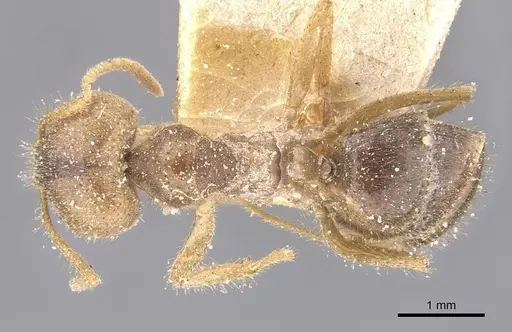
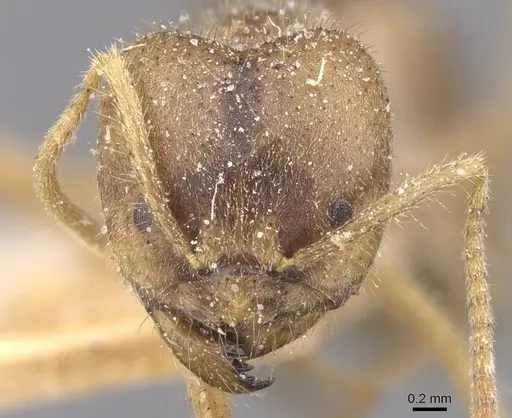
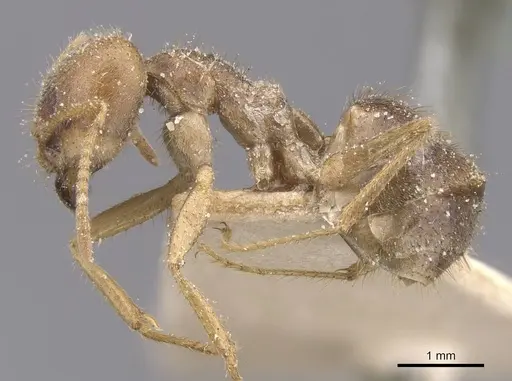
CASENT0912324
AntWeb'de Görüntüle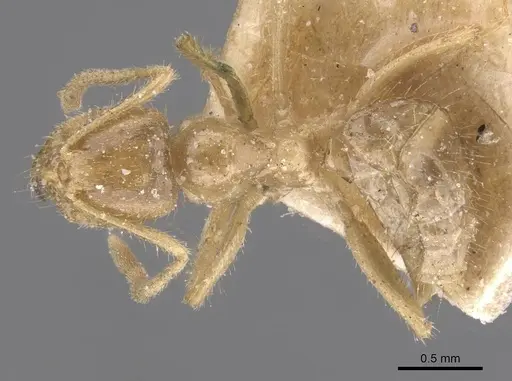
Literatür
Dağılım haritası yükleniyor...Ürünler yükleniyor...