
Proformica longipilosa
- Bilimsel Adı
- Proformica longipilosa
- Oymak (Tribe)
- Formicini
- Alt Familya
- Formicinae
- Yazar (Tanımlayan)
- Galkowski <i>et al.</i>, 2017
- Dağılım
- 1 ülkede bulundu
Giriş
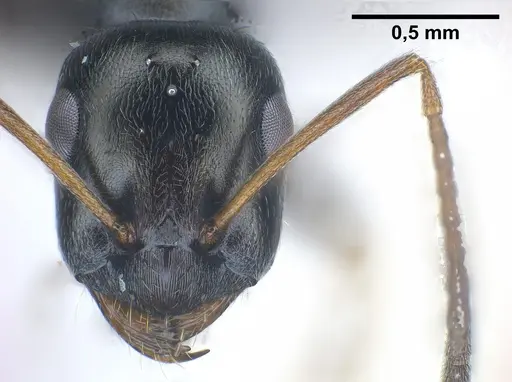
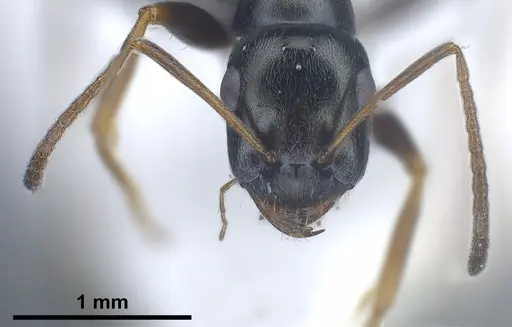
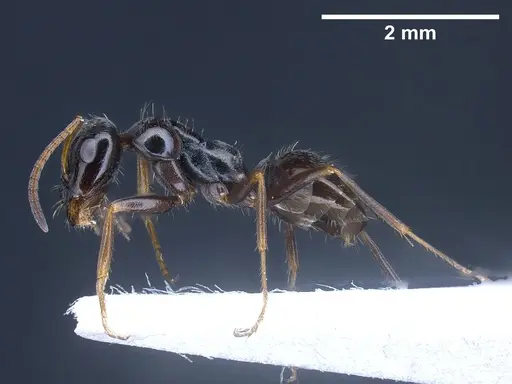
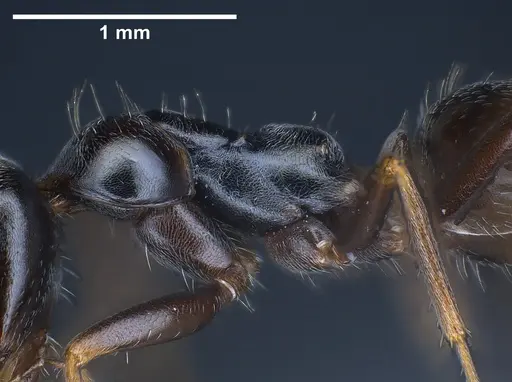
Proformica longipilosa is a small ant species from southern France, formally described in 2017. Workers are black with brown tibiae, scape, and mandibles, and have long erect hairs giving a fuzzy appearance. Body size is inferred from Proformica genus approximately 5-10 mm . They inhabit mountainous regions on limestone plateaus and scree slopes . Colonies are polygynous, with multiple queens . This species was previously confused with Proformica nasuta. It is found in southern pre-Alps mountains, often under stones at elevations from 500 to 1400 m .
Quick Summary
- Difficulty: Medium
- Origin & Habitat: Southern France, specifically southern pre-Alps mountains on limestone plateaus and scree slopes at 500-1400 m elevation [1][2].
- Colony Type: Polygynous, colonies contain multiple queens working together [1].
- Size & Growth:
- Queen: Size data unavailable, inferred from Proformica genus approximately 8-10 mm
- Worker: Size data unavailable, inferred from Proformica genus approximately 5-10 mm
- Colony: Unknown in captivity, wild colonies are polygynous but size not specified [1].
- Growth: Moderate, inferred from related species [1].
- Development: Estimated 6-10 weeks based on related Formica species patterns [1]. (Development time not directly studied, inferred from temperature-dependent patterns of related ants.)
- Antkeeping:
- Temperature: Keep around 20-24°C with a gradient, inferred from mountain habitat [1][2].
- Humidity: Keep nest substrate lightly moist but allow drying between waterings, based on limestone scree habitat [2].
- Diapause: Yes, require winter dormancy at 10-15°C for 2-3 months, inferred from mountain species [1][2].
- Nesting: Natural nesting under stones, in captivity, use Y-tong (AAC) or plaster nests [2].
- Behavior: Generally peaceful and non-aggressive. As Formicinae, they spray formic acid for defense, not sting. Escape risk is moderate due to small size [1].
- Common Issues: diapause omission can cause colony weakness [1][2]., escape risk due to small workers, use fine mesh barriers., polygynous colonies may require monitoring during establishment., limited availability as a newly described species.
Housing and Nest Setup
Proformica longipilosa naturally nests under stones in limestone scree. For captivity, use Y-tong (AAC) or plaster nests to provide dark, enclosed spaces. Start colonies in test tube setups, then move to formicarium-style nests as they grow. Ensure chambers accommodate varying worker sizes. Provide a shallow water foraging area and sugar water station. Escape prevention is important due to small workers, use fine mesh barriers [2][1].
Feeding and Diet
Like other Formicinae, P. longipilosa likely has a mixed diet. Offer sugar water or honey water constantly, and protein sources like small insects 2-3 times per week. This is inferred from related Formica species patterns [1].
Temperature and Seasonal Care
Keep nest area around 20-24°C with a gradient, using a heating cable on one side if needed. During winter, reduce temperature to 10-15°C for 2-3 months for diapause, mimicking natural cycles [1][2]. Skipping diapause weakens colonies over time.
Colony Structure and Queens
Proformica longipilosa is polygynous, with multiple queens per colony. Queens have well-developed ovaries and spermatheca, indicating high reproductive capacity. Repletes (food-storing workers) are present in wild colonies [1]. When keeping, multiple queens should be housed together as they coexist peacefully.
Growth and Development
Development timeline is not directly studied, but based on related Formica species, expect approximately 6-10 weeks from egg to first worker at optimal temperatures. Workers are polymorphic, with minor workers being smaller and major workers larger as the colony matures [1].
Frequently Asked Questions
How long does it take for Proformica longipilosa to produce first workers?
Based on related Formica species, expect 6-10 weeks from egg to first worker at room temperature (20-24°C). The first workers will be small minor workers [1].
Do Proformica longipilosa ants need hibernation?
Yes, they require a winter dormancy period at 10-15°C for 2-3 months, as inferred from their mountain habitat [1][2]. Skipping hibernation can weaken the colony.
Can I keep multiple Proformica longipilosa queens together?
Yes, this is normal, P. longipilosa is polygynous, meaning colonies naturally have multiple queens that coexist peacefully [1].
What do Proformica longipilosa ants eat?
They likely have a mixed diet similar to related Formica species. Offer sugar water constantly and protein from small insects 2-3 times per week [1].
Are Proformica longipilosa good for beginners?
This is a medium-difficulty species due to hibernation requirements and limited availability, so better suited for keepers with some experience.
How big do Proformica longipilosa colonies get?
Colony size in captivity is unknown. In the wild, they are polygynous but size not specified [1].
What temperature should I keep Proformica longipilosa at?
Keep them around 20-24°C with a gradient, inferred from their mountain habitat [1][2].
When should I move Proformica longipilosa from a test tube to a formicarium?
Move them when the colony reaches around 20-30 workers or when crowded, using Y-tong or plaster nests [2].
Where is Proformica longipilosa found in the wild?
This species is only found in southern France, specifically southern pre-Alps mountains at elevations from 500 to 1400 m [1][2].
Report an Issue
The current care sheet is based fully on literature. See inconsistencies, or something that's incorrect? Please , it will be resolved after review from an admin. Contributing to the blogs tab also helps providing information, to make us be able to further improve the caresheets. Thank you for your support!
References

Bu bakım rehberi şu lisans altındadır: CC BY-SA 4.0 .
Topluluk Blogları
ANTWEB1041288
AntWeb'de Görüntüle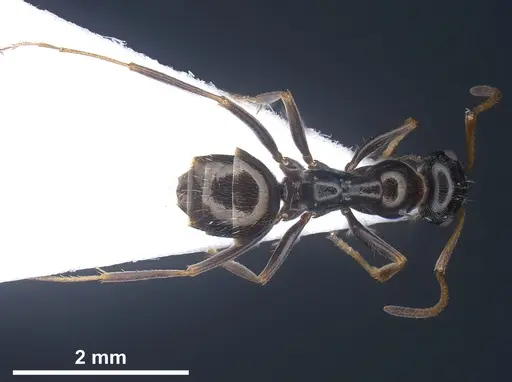
Literatür
Dağılım haritası yükleniyor...Ürünler yükleniyor...