
Polyrhachis triaena
- Bilimsel Adı
- Polyrhachis triaena
- Alt Cins
- Myrmothrinax
- Oymak (Tribe)
- Camponotini
- Alt Familya
- Formicinae
- Yazar (Tanımlayan)
- Wheeler, 1919
- Dağılım
- 0 ülkede bulundu
Giriş
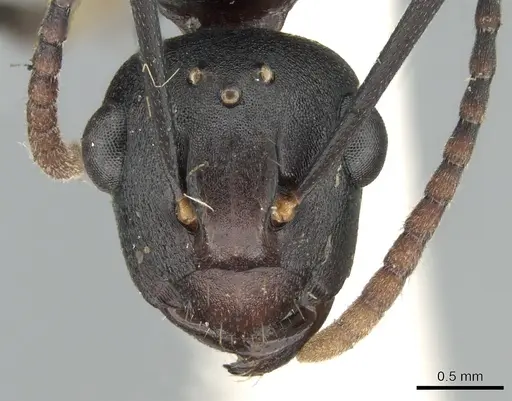
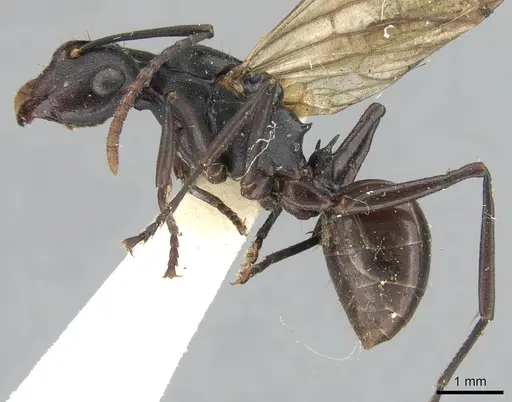
Polyrhachis triaena is a small ant belonging to the subgenus Myrmothrinax, described from Borneo in 1919 by W.M. Wheeler. The species occurs in humid rainforests of Borneo, Indonesia, and Malaysia . As a tropical species, it inhabits moist, shaded environments typical of the thrinax-group. This ant is part of a group known for spiny features and nesting in vegetation or ground-level locations in moist forests. They are generalist foragers without specialized dietary needs.
Quick Summary
- Difficulty: Medium
- Origin & Habitat: Borneo, Indonesia, and Malaysia, tropical rainforest environments in the Indomalaya region [1][2]
- Colony Type: Colony structure is unconfirmed. No specific data on queen number or social structure for this species.
- Size & Growth:
- Queen: Estimated 7-9 mm based on Polyrhachis genus patterns, direct measurements unavailable for this species
- Worker: Size data unavailable for this species
- Colony: Estimated up to several hundred workers based on genus patterns
- Growth: Moderate, based on typical tropical ant development patterns
- Development: Estimated 6-8 weeks at tropical temperatures (25-28°C), based on related Polyrhachis species development (Development time is estimated from genus patterns since specific data for P. triaena is unavailable.)
- Antkeeping:
- Temperature: Keep at 24-28°C, based on tropical habitat inference [2]
- Humidity: Keep nest substrate consistently moist but not waterlogged, based on humid rainforest habitat [2]
- Diapause: No, as a tropical species from near the equator, they do not require hibernation [2]
- Nesting: Based on thrinax-group preferences, they likely nest in moist locations, in captivity, use Y-tong or plaster nests with good moisture retention [2]
- Behavior: Polyrhachis ants are generally calm and not aggressive. Workers are active foragers, typically hunting for small insects and tending honeydew-producing insects [2]. Escape prevention should be moderate due to their small size.
- Common Issues: maintaining high humidity can be challenging in dry environments, temperature stability is crucial for tropical species, limited species-specific care data requires careful observation and adjustment, wild-caught colonies may carry parasites or pathogens that cause captive failures
Nest Preferences and Housing
Polyrhachis triaena originates from humid tropical forests, where they nest in moist, shaded locations. Based on thrinax-group preferences, they likely nest in rotting wood, leaf litter, or under bark in natural settings. In captivity, use nests that retain moisture well, such as Y-tong (AAC) nests or plaster nests with a water reservoir. Avoid dry environments. Provide a water tube for humidity and drinking access. An outworld for foraging should be attached [2].
Feeding and Diet
Polyrhachis ants are generalist foragers that accept a varied diet. Offer protein sources such as small insects (e.g., fruit flies, mealworms) 2-3 times per week, and provide sugar sources like honey water or sugar water regularly. Remove uneaten prey after 24-48 hours to prevent mold [2].
Temperature and Seasonal Care
As a tropical species, Polyrhachis triaena requires warm temperatures year-round. Keep the nest area at 24-28°C. If room temperature is below this, use a heating cable on top of the nest to create a gradient. They do not require hibernation [2].
Behavior and Colony Dynamics
Polyrhachis workers are active foragers that search for food on the ground and in vegetation. They are generally not aggressive toward keepers. Colonies grow gradually, with workers living for several months. The queen lays eggs continuously once established, and brood development takes several weeks [2].
Frequently Asked Questions
How long does it take for Polyrhachis triaena to produce first workers?
Estimated 6-8 weeks at tropical temperatures, based on genus patterns. No specific data for this species is available.
Can I keep Polyrhachis triaena in a test tube?
Test tubes can work for founding colonies, but move to a proper nest once the colony reaches 20-30 workers or when the test tube dries out. Use Y-tong or plaster nests for better humidity retention [2].
What temperature do Polyrhachis triaena need?
Keep them at 24-28°C, based on their tropical habitat [2].
Are Polyrhachis triaena good for beginners?
This species is rated as Medium difficulty. Their humidity and temperature requirements make them better suited for keepers with some experience [2].
How big do Polyrhachis triaena colonies get?
Estimated up to several hundred workers at maturity, based on genus patterns. Specific colony size data is not available.
Do Polyrhachis triaena need hibernation?
No. As a tropical species, they do not require hibernation [2].
What do Polyrhachis triaena eat?
They are generalist feeders. Offer small insects for protein and sugar water regularly [2].
When should I move my colony to a formicarium?
Move from a test tube to a proper nest once the colony reaches 20-30 workers or when the test tube shows signs of drying out [2].
Can I keep multiple queens together?
Colony structure is unconfirmed for this species. Most Polyrhachis species are monogyne, so keeping multiple queens is not recommended without specific documentation.
Report an Issue
The current care sheet is based fully on literature. See inconsistencies, or something that's incorrect? Please , it will be resolved after review from an admin. Contributing to the blogs tab also helps providing information, to make us be able to further improve the caresheets. Thank you for your support!
References

Bu bakım rehberi şu lisans altındadır: CC BY-SA 4.0 .
Topluluk Blogları
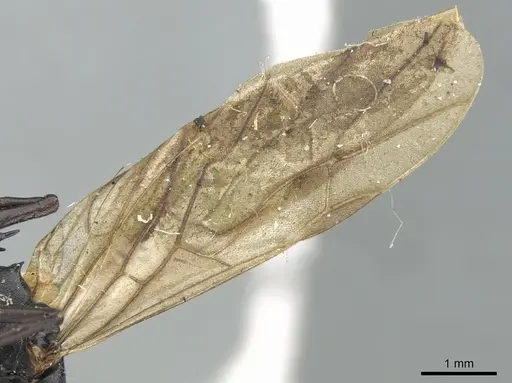
CASENT0906585
AntWeb'de Görüntüle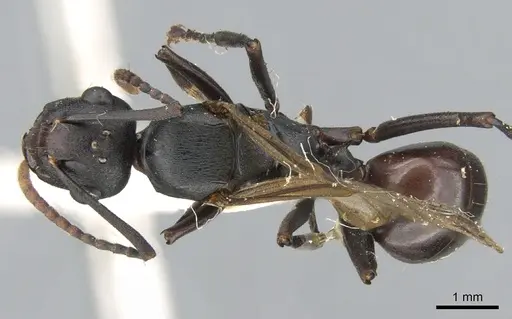
Literatür
Dağılım haritası yükleniyor...Ürünler yükleniyor...