
Polyrhachis orokana
- Bilimsel Adı
- Polyrhachis orokana
- Alt Cins
- Aulacomyrma
- Oymak (Tribe)
- Camponotini
- Alt Familya
- Formicinae
- Yazar (Tanımlayan)
- Kohout, 2007
- Dağılım
- 0 ülkede bulundu
Giriş
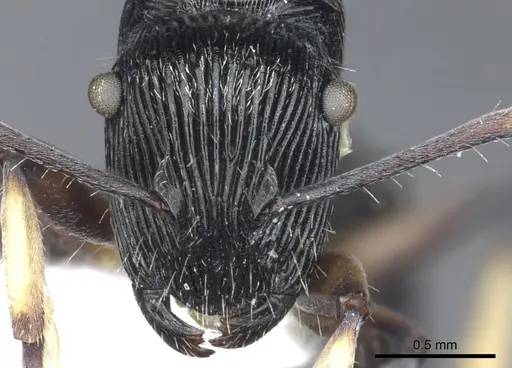
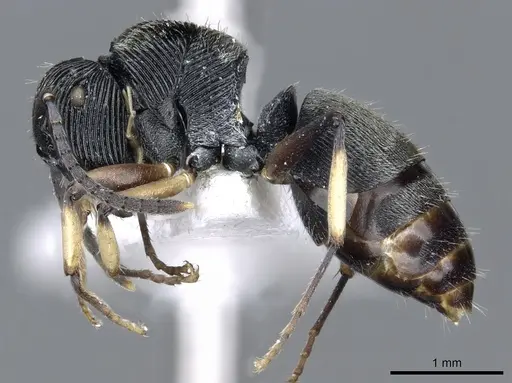
Polyrhachis orokana is a medium-sized ant from Papua New Guinea, with workers measuring about 5 mm in total length . They are black with dark reddish-brown antennae and light yellow tibiae . The species has a striated sculpture pattern and strongly convex eyes that protrude beyond the head outline . P. orokana was described in 2007 and is similar to Polyrhachis impressa, differing in mesosomal shape and petiolar teeth . This species belongs to the subgenus Aulacomyrma and is lignicolous, meaning it nests in wood . Like other Polyrhachis, it has pupal cocoons, which is less common in Formicinae. Little is known about its biology in the wild, with no published data on colony structure or founding behavior.
Quick Summary
- Difficulty: Medium
- Origin & Habitat: Papua New Guinea, found under tree bark in the Orokana area [1].
- Colony Type: Unconfirmed, no published data on colony structure.
- Size & Growth:
- Queen: Size data unavailable, only workers described [1].
- Worker: 4.94-5.69 mm total length [1].
- Colony: Unknown, no colony size data available.
- Growth: Unknown.
- Development: Unconfirmed, no species-specific data. (Based on related Polyrhachis, development may take 4-8 weeks in tropical conditions, but unconfirmed for P. orokana.)
- Antkeeping:
- Temperature: Likely warm temperatures around 24-28°C based on tropical origin, but specific requirements unknown [1].
- Humidity: Moderate humidity, keep nest substrate moist but not waterlogged, as lignicolous species prefer damp conditions [2][3].
- Diapause: No, tropical species from Papua New Guinea does not require hibernation [1].
- Nesting: Lignicolous, prefers wooden nests, cork, or similar materials [2][3].
- Behavior: Behavior is unstudied. Based on genus patterns, Polyrhachis ants are typically moderate in aggression and arboreal. Escape risk is moderate due to 5 mm size, use standard barriers.
- Common Issues: sensitivity to temperature drops below 22°C may harm the colony., need for wood-based nests to match natural lignicolous habits., humidity requirements for pupal cocoons must be maintained., wild-caught colonies may be difficult to establish due to unknown care parameters.
Nest Preferences and Housing
Polyrhachis orokana is a lignicolous species, meaning it nests in wood. In the wild, specimens have been collected from under tree bark in Papua New Guinea [1]. For captive care, this suggests they would do best in nests made of wood, cork, or similar materials that allow them to occupy pre-existing tunnels. Unlike many Formicinae that accept acrylic or plaster nests, this species likely prefers natural, wood-based setups. Ensure the nest material is slightly damp but not saturated, as lignicolous species appreciate humidity without being waterlogged [2][3].
Temperature and Humidity Requirements
As a species from Papua New Guinea, Polyrhachis orokana originates from a tropical environment. In captivity, aim for warm temperatures with a slight gradient, but specific requirements are unknown. For humidity, lignicolous species prefer moderately damp conditions, the nest substrate should feel moist to the touch but not drip with water [2][3]. Given their tropical origin, this species almost certainly does not require hibernation.
Feeding and Diet
The specific diet of Polyrhachis orokana has not been documented. However, Polyrhachis species are generally omnivorous, feeding on honeydew, nectar, and small insects. For captive care, offer sugar sources like honey water and protein sources like fruit flies or pinhead crickets. As medium-sized ants, they should handle reasonably sized prey. The presence of pupal cocoons in this species [2][3] indicates they may have longer development, so ensure adequate nutrition for brood.
Understanding This Species' Care Challenges
Polyrhachis orokana is challenging because little is known about its biology. While we know it nests in wood and has cocoons, we lack data on colony size, founding behavior, and specific care requirements. All recommendations are inferred from genus patterns. This makes it suitable for experienced antkeepers who can adjust conditions based on colony health.
Frequently Asked Questions
How long does it take for Polyrhachis orokana to develop from egg to worker?
The egg-to-worker development time is unconfirmed. Based on related Polyrhachis species in tropical conditions, it may take 4-8 weeks, but this is an estimate only.
What type of nest is best for Polyrhachis orokana?
P. orokana is lignicolous, so wooden nests, cork nests, or formicaria with wooden inserts are most appropriate. They likely prefer to nest under bark or in wood tunnels [2][3].
Do Polyrhachis orokana ants need hibernation?
No, this is a tropical species from Papua New Guinea and does not require hibernation [1].
How big do Polyrhachis orokana colonies get?
The maximum colony size is unknown. Most Polyrhachis species form colonies of dozens to several hundred workers, but specific data for P. orokana does not exist.
Are Polyrhachis orokana good for beginners?
No. This species has essentially no documented care information, making it unsuitable for beginners. Experienced antkeepers who can experiment with conditions are better suited.
Can I keep multiple queens together?
The colony structure of P. orokana is unconfirmed. Polyrhachis species can be single-queen or multi-queen, but we have no data for this species. Do not combine unrelated queens without evidence they can coexist.
What do Polyrhachis orokana eat?
Specific diet is unconfirmed, but like other Polyrhachis, they are likely omnivorous. Offer sugar water or honey and small insects like fruit flies or pinhead crickets.
Where is Polyrhachis orokana found in the wild?
This species is known only from Papua New Guinea, specifically the Orokana area, where it nests under tree bark [1].
Why is so little known about Polyrhachis orokana care?
P. orokana was described in 2007 and has never been studied in the wild. No research exists on its colony structure, founding behavior, or specific care requirements [1].
Report an Issue
The current care sheet is based fully on literature. See inconsistencies, or something that's incorrect? Please , it will be resolved after review from an admin. Contributing to the blogs tab also helps providing information, to make us be able to further improve the caresheets. Thank you for your support!
References

Bu bakım rehberi şu lisans altındadır: CC BY-SA 4.0 .
Topluluk Blogları
CASENT0009239
AntWeb'de Görüntüle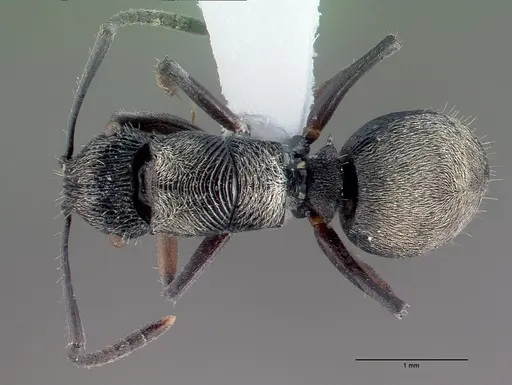
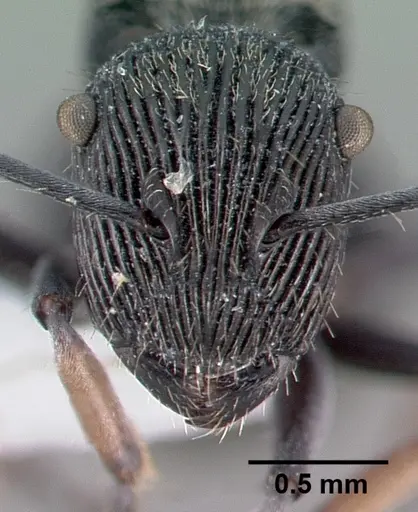
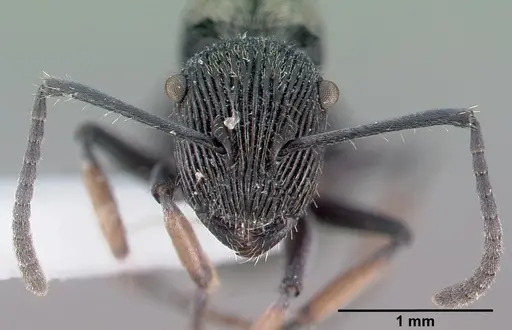
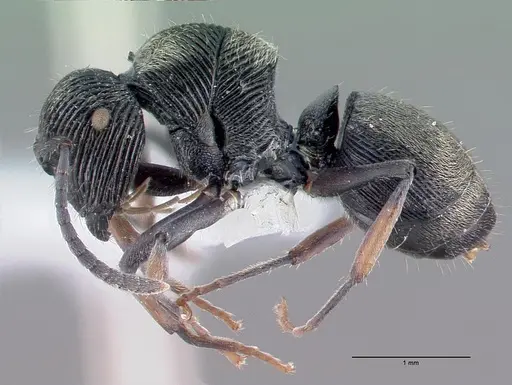
CASENT0903320
AntWeb'de Görüntüle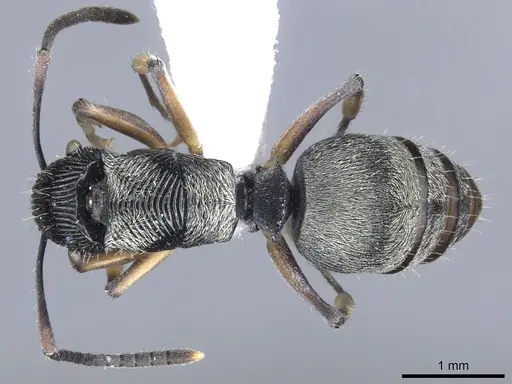
Literatür
Dağılım haritası yükleniyor...Ürünler yükleniyor...