
Polyrhachis murina
- Bilimsel Adı
- Polyrhachis murina
- Alt Cins
- Myrma
- Oymak (Tribe)
- Camponotini
- Alt Familya
- Formicinae
- Yazar (Tanımlayan)
- Emery, 1893
- Dağılım
- 1 ülkede bulundu
Giriş
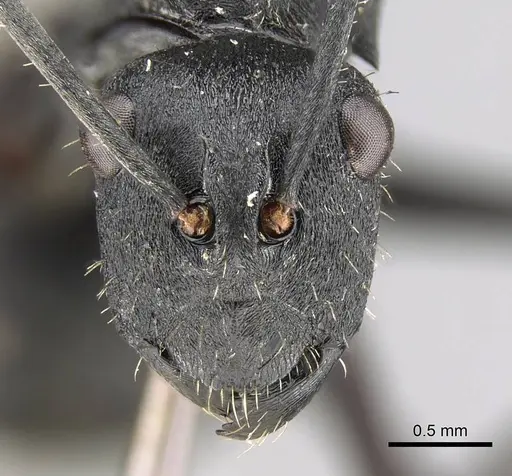
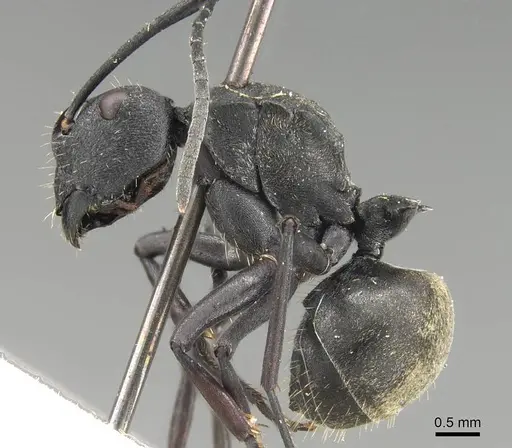
Polyrhachis murina is a medium-sized ant species native to the Indomalaya region, specifically Borneo and Sumatra . Workers measure around 6.5 to 7.0 mm in total length . They belong to the aculeata species group within the Myrma subgenus and show very consistent morphology across their range . These ants feature very short pronotal spines, a finely reticulate-punctate mesosomal back, and closely appressed pubescence that ranges from golden to silvery or dull greyish . Their heads carry numerous short, erect hairs between the eyes and the back corners . Note that specimens previously identified as this species from the Philippines actually belong to a separate species, Polyrhachis starri . As a tropical rainforest ant, they thrive in warm, stable conditions year-round.
Quick Summary
- Difficulty: Medium
- Origin & Habitat: Borneo and Sumatra in the Indomalaya region [1][2].
- Colony Type: Colony structure is unconfirmed. We do not know if they host single queens or multiple queens.
- Size & Growth:
- Queen: Unknown, queens have not been measured or described
- Worker: ~6.5-7.0 mm in total length [1]
- Colony: Unknown, no colony size data exists in the literature
- Growth: Unknown
- Development: Unknown, no development data exists for this species (Related tropical Formicinae often take several months to produce workers, but exact timing is unconfirmed.)
- Antkeeping:
- Temperature: Keep warm and stable, roughly 22-28°C. As a tropical species, they do not tolerate cold [2].
- Humidity: High humidity required. Keep the nest substrate consistently moist but never waterlogged [2].
- Diapause: Unknown, tropical range suggests they do not require winter cooling, but this is unconfirmed.
- Nesting: They likely nest in rotting wood or under bark in the rainforest [2]. Use a Y-tong (AAC) nest or plaster formicarium that holds moisture well.
- Behavior: These ants are generally calm and moderately active. They lack a functional sting and instead defend themselves by biting and spraying concentrated formic acid from an acidopore [2]. Workers forage for sugar sources and small insects. They are medium-sized, so standard escape prevention like Fluon barriers is still necessary.
- Common Issues: humidity control is critical, tropical ants dry out quickly in low humidity, temperature drops can halt colony development, keep them warm year-round, escape prevention is still necessary despite their moderate size, slow colony growth can frustrate beginners, founding takes time, wild-caught colonies may carry parasites that can decimate captive colonies
Housing and Nest Setup
Set up a nest that holds moisture well but still allows airflow. A Y-tong (AAC) nest or a plaster formicarium works perfectly for this species [2]. Make sure the chambers are large enough for 6-7 mm workers to move around comfortably. Connect a water reservoir or moisture chamber to keep the substrate damp. You can start a new queen in a test tube, but move her to a larger nest once she has a few workers. Keep the outworld spacious so you can easily place food and water dishes.
Feeding and Diet
These ants likely feed on honeydew from aphids and scale insects, plus small arthropods they scavenge or hunt [2]. In captivity, offer a steady source of sugar like diluted honey water or syrup. Provide protein sources like small crickets, mealworms, or fruit flies two to three times a week. Remove uneaten prey within a day to stop mold from growing. New queens will not eat until their first workers hatch, so just keep the outworld clean.
Temperature and Seasonal Care
Keep your colony warm year-round. Aim for roughly 22-28°C [2]. Since they come from tropical rainforests, they do not experience cold winters and likely do not need a diapause period [2]. Use a heating cable on one side of the nest to create a gentle gradient. Watch how the workers react, if they cluster near the heat, raise the temperature slightly. If they stay deep in the nest and move slowly, the nest might be too warm.
Humidity Management
Maintain high humidity by keeping the nest substrate consistently moist but never waterlogged [2]. Mist the nest regularly or use a moisture chamber until you learn how fast your setup dries out. Good ventilation prevents stagnant air and mold, but avoid strong drafts that dry the nest out too quickly. Balance is key, damp but not wet, ventilated but not dry.
Behavior and Defense
Polyrhachis murina is generally calm and not overly aggressive [2]. They will forage actively during the day and night once established. Remember that Formicinae ants lack a functional sting. Instead, they bite and spray a stream of concentrated formic acid from an acidopore to defend themselves [2]. Handle them carefully and keep the outworld secure. Colony growth is unconfirmed, but expect a steady build-up over time.
Frequently Asked Questions
How long does it take to produce first workers?
Unknown. No development data exists for this species. Related tropical ants often take several months, but you must be patient and avoid disturbing the queen.
What temperature do they need?
Keep them warm, roughly 22-28°C. They are tropical ants from Borneo and Sumatra and need stable heat year-round. [2]
Do they need hibernation?
Unknown. Their tropical range suggests they do not require winter cooling, but this is unconfirmed. Keep them warm year-round to be safe. [2]
What do they eat?
They likely feed on honeydew and small insects in the wild [2]. Offer sugar water or honey as a constant energy source, and provide small insects like crickets or mealworms two to three times a week. [2]
How big do colonies get?
Unknown. No colony size data exists in the scientific literature. [2]
Are they good for beginners?
They are medium difficulty. You must maintain warm temperatures and high humidity consistently. Beginners should be prepared to manage these conditions carefully.
Can I keep multiple queens together?
Colony structure is unconfirmed. We do not know if they accept multiple queens. Do not combine unrelated foundress queens unless you have specific evidence they can coexist.
What humidity do they need?
High humidity. Keep the nest substrate consistently moist but never waterlogged [2]. Mist regularly or use a moisture chamber.
When should I move them to a formicarium?
You can keep a new queen in a test tube until she has a few workers. Transfer her to a larger Y-tong or plaster nest once the colony grows and the test tube starts drying out.
What is the best nest type?
A Y-tong (AAC) nest or plaster formicarium works best. These materials hold moisture well and provide appropriate chamber sizes for medium-sized ants. [2]
Report an Issue
The current care sheet is based fully on literature. See inconsistencies, or something that's incorrect? Please , it will be resolved after review from an admin. Contributing to the blogs tab also helps providing information, to make us be able to further improve the caresheets. Thank you for your support!
References

Bu bakım rehberi şu lisans altındadır: CC BY-SA 4.0 .
Topluluk Blogları
CASENT0905612
AntWeb'de Görüntüle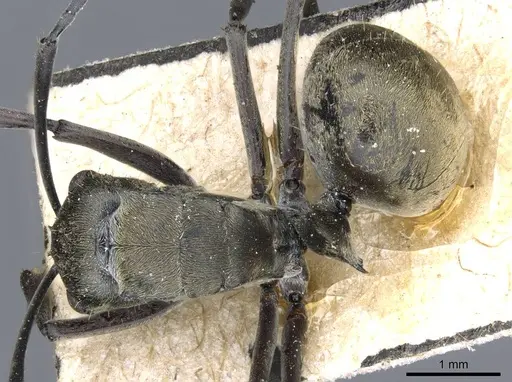
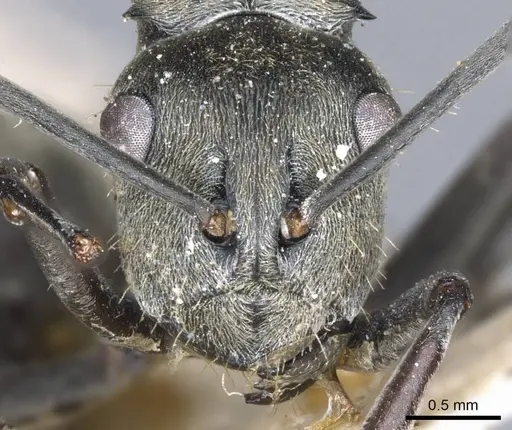
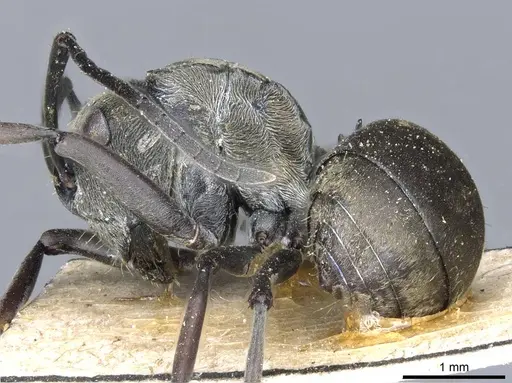
CASENT0906800
AntWeb'de Görüntüle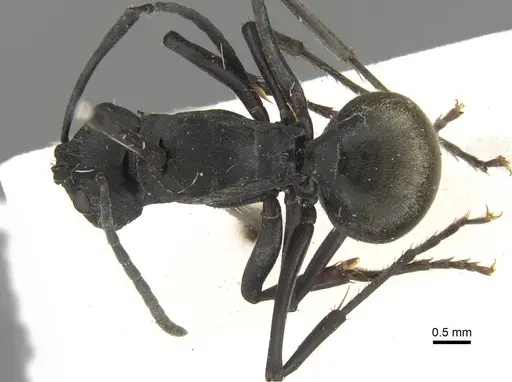
Literatür
Dağılım haritası yükleniyor...Ürünler yükleniyor...