
Polyrhachis hodgsoni
- Bilimsel Adı
- Polyrhachis hodgsoni
- Alt Cins
- Myrmhopla
- Oymak (Tribe)
- Camponotini
- Alt Familya
- Formicinae
- Yazar (Tanımlayan)
- Forel, 1902
- Dağılım
- 1 ülkede bulundu
Giriş
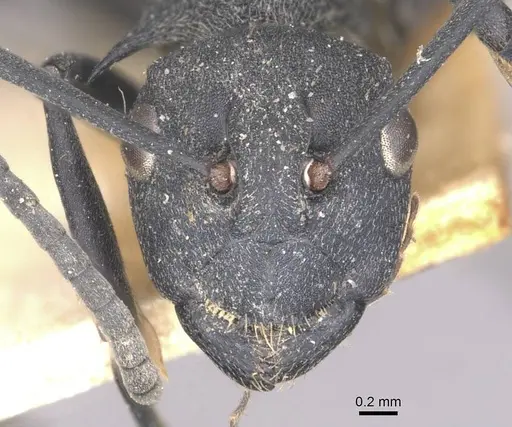
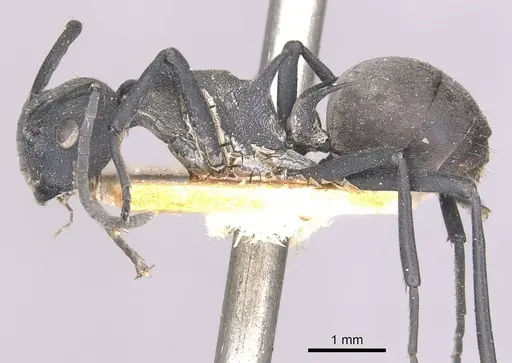
Polyrhachis hodgsoni is a weaver ant species found across the Indomalaya region, including Borneo, Indonesia, Malaysia, Myanmar, and Pakistan . Workers are medium-sized with hooked spines on the mesosoma, defining the Myrmhopla subgenus, and range in color from dark brown to black. This species weaves bamboo leaves using silk to create nest structures and cultivates trophobionts for honeydew . They are arboreal, living in bamboo forests and building silk pavilions under leaves.
Quick Summary
- Difficulty: Medium
- Origin & Habitat: Found across the Indomalaya region including Borneo, Indonesia, Malaysia, Myanmar, and Pakistan [1]. This tropical arboreal species lives in bamboo forests and constructs silk pavilions under broad bamboo leaves where they tend hemipterans for honeydew [2][3].
- Colony Type: Monogyne colonies with multiple nest sites (polydomous) [3].
- Size & Growth:
- Queen: inferred from Polyrhachis genus (~8-10mm)
- Worker: size unknown, inferred from Polyrhachis genus (~5-7mm)
- Colony: Unknown maximum, likely several hundred workers based on related species
- Growth: Moderate
- Development: 8-12 weeks (estimated based on related Polyrhachis species) (Development time is estimated as this specific species has not been studied.)
- Antkeeping:
- Temperature: Keep at 24-28°C. As a tropical species, they need warm conditions year-round. A heating cable on one side creates a temperature gradient [2].
- Humidity: Keep the nest substrate consistently moist but not waterlogged. Their natural habitat is humid but well-ventilated [2].
- Diapause: No, being a tropical species, they do not require hibernation [2].
- Nesting: This is an arboreal species that builds silk pavilions in bamboo. In captivity, they need vertical space with climbing structures [2][3].
- Behavior: Generally peaceful but defensive of their nest. As weaver ants, they are arboreal and spend most of their time climbing. They lack a functional sting and spray formic acid for defense, typical of Formicinae. Escape risk is moderate due to their size.
- Common Issues: arboreal housing is essential, they will not thrive in horizontal ground-nest setups., silk nest construction requires humidity, too dry and they cannot weave., tropical warmth is mandatory, temperatures below 22°C can cause decline., polydomous colonies need space for multiple nest sites, single nest setups may stress them., hemipteran farming means they benefit from sugar sources, honey water should be available.
Housing and Nest Setup
Polyrhachis hodgsoni requires arboreal housing with vertical space and climbing opportunities. Use a tall formicarium or vertical nest with bamboo sections, cork bark, or artificial plants for silk weaving. Avoid horizontal test tube setups entirely. The outworld should have branches or mesh for climbing. Escape prevention is important but not critical for this size [2][3].
Feeding and Diet
In the wild, they farm hemipterans for honeydew. In captivity, offer constant sugar water or honey, and protein like fruit flies or crickets twice weekly. Remove uneaten prey after 24-48 hours to prevent mold [2].
Temperature and Humidity
Keep temperatures at 24-28°C using a heating cable if needed. Humidity should be moderate to high, with substrate kept moist but not waterlogged. Ensure good airflow to prevent mold [2].
Colony Structure and Growth
Colonies are monogyne with a single queen and multiple nest sites. Growth is moderate, with colonies reaching several hundred workers over time [3].
Unique Weaver Ant Behavior
Workers weave bamboo leaves with silk to create protective pavilions and tend hemipterans for honeydew. This trophobiosis is key to their ecology [2][3].
Frequently Asked Questions
Can I keep Polyrhachis hodgsoni in a test tube?
No, this is an arboreal species that needs vertical space and climbing structures. Test tube setups are unsuitable [2][3].
How long does it take for the first workers to emerge?
Estimated 8-12 weeks from egg to first worker at optimal temperature, based on related Polyrhachis species.
What do Polyrhachis hodgsoni eat?
They need constant sugar sources like honey water and protein from small insects [2].
Are Polyrhachis hodgsoni good for beginners?
No, they are medium difficulty due to arboreal housing needs and tropical temperature requirements.
Do they need hibernation?
No, as a tropical species, they do not require hibernation and should be kept warm year-round [2].
Can I keep multiple queens together?
No, this species is monogyne. Multiple unrelated queens will fight [3].
Why are my Polyrhachis hodgsoni dying?
Common causes include temperatures too low, improper housing, too dry conditions, or poor nutrition. Ensure vertical setup, warmth, and moderate humidity [2].
Report an Issue
The current care sheet is based fully on literature. See inconsistencies, or something that's incorrect? Please , it will be resolved after review from an admin. Contributing to the blogs tab also helps providing information, to make us be able to further improve the caresheets. Thank you for your support!
References

Bu bakım rehberi şu lisans altındadır: CC BY-SA 4.0 .
Topluluk Blogları
CASENT0906778
AntWeb'de Görüntüle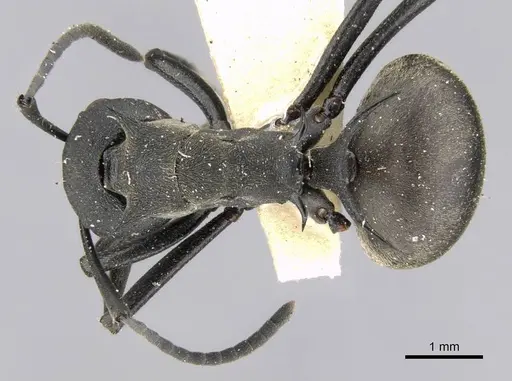
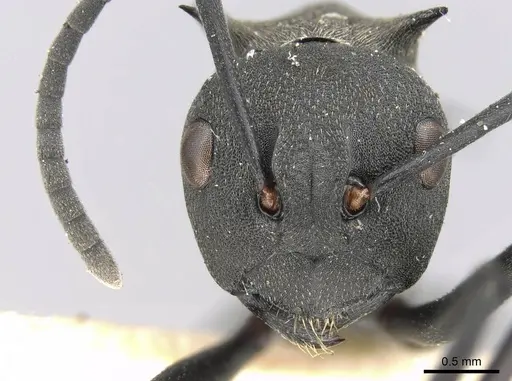
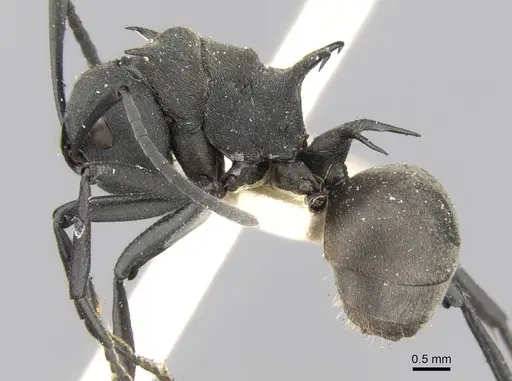
CASENT0910890
AntWeb'de Görüntüle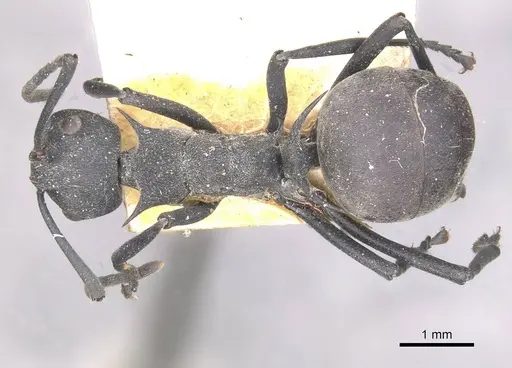
Literatür
Dağılım haritası yükleniyor...Ürünler yükleniyor...