
Pogonomyrmex loaensis
- Bilimsel Adı
- Pogonomyrmex loaensis
- Oymak (Tribe)
- Pogonomyrmecini
- Alt Familya
- Myrmicinae
- Yazar (Tanımlayan)
- Johnson, 2021
- Dağılım
- 0 ülkede bulundu
Giriş
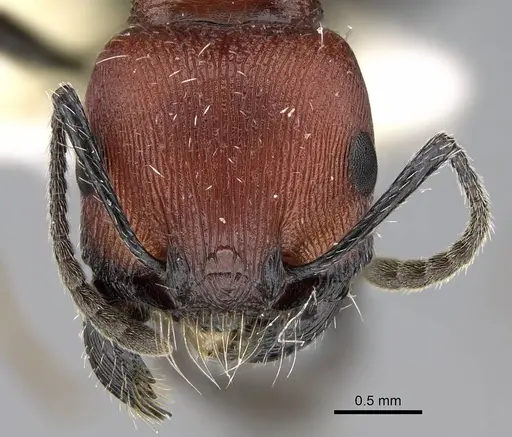
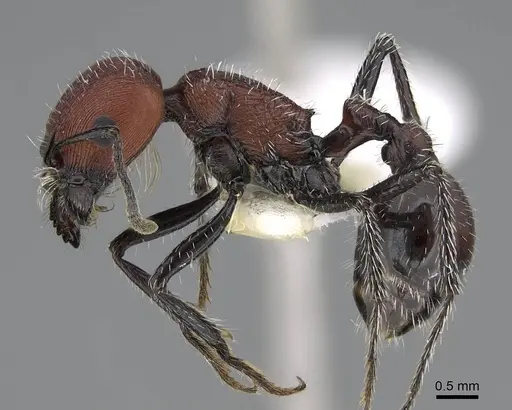
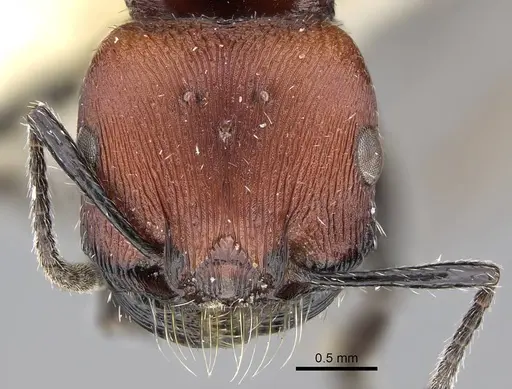
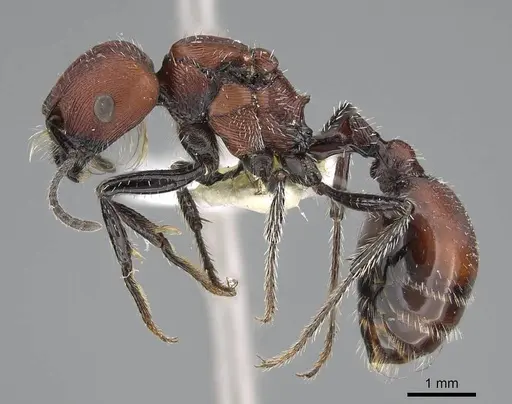
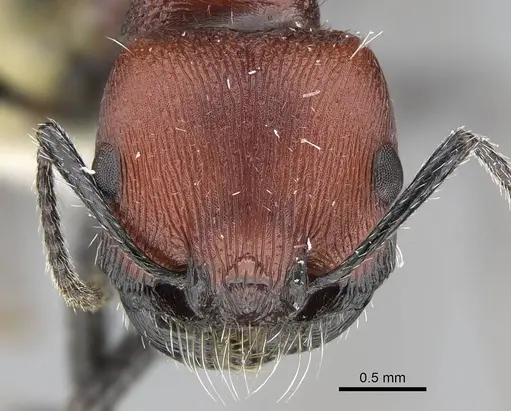
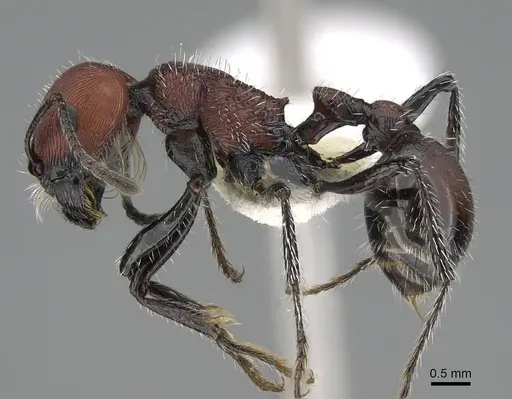
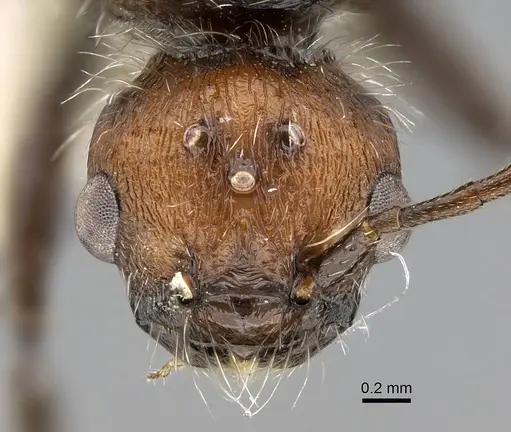
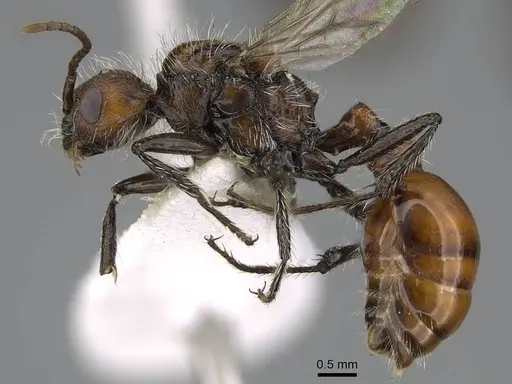
Pogonomyrmex loaensis is a seed-harvester ant species described in 2021 from the high Andes of northern Chile. Workers are distinctive for their bright ferruginous orange to reddish-orange coloration . Body size data is unavailable from the research, but they are moderately sized for the genus. This species is found only between 3175-4040 meters in the Central Andean dry puna ecoregion . This species is notable for its solitary foraging behavior, where each worker searches for seeds independently .
Quick Summary
- Difficulty: Medium
- Origin & Habitat: Central Andes of northern Chile, El Loa Province, at 3175-4040m in the dry puna ecoregion [1].
- Colony Type: Colony structure is unconfirmed. Nests are built under stones with a characteristic tumulus [1].
- Size & Growth:
- Queen: Size data unavailable, no total length measurements provided in research.
- Worker: Size data unavailable, no total length measurements provided in research.
- Colony: Up to 1000 workers [1]
- Growth: Moderate, inferred from genus patterns
- Development: Unknown, not studied for this species. (Development time is not specified in research.)
- Antkeeping:
- Temperature: Keep cool, aim for 18-22°C, based on high-elevation habitat [1].
- Humidity: Keep nest substrate moderately dry, similar to dry puna environment [1].
- Diapause: Likely yes, based on high-elevation origin, expect winter rest period [1].
- Nesting: Naturalistic setup with stones and sandy soil, mimicking natural nests under stones [1].
- Behavior: Workers are solitary foragers [1]. Based on Pogonomyrmex genus patterns, they are likely defensive with painful stings, so handle with care. Escape risk is moderate due to their size.
- Common Issues: high elevation origin means they struggle in warm rooms, keep them cool., solitary foraging means food discovery is slower, don't mistake this for lack of interest., dry habitat requirements mean overwatering is a common mistake, keep substrate on the dry side., colonies can reach 1000 workers so plan for eventual housing upgrades., stinging risk, handle with care.
Natural History and Distribution
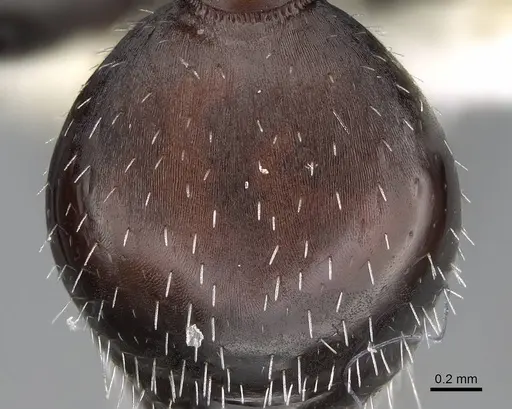
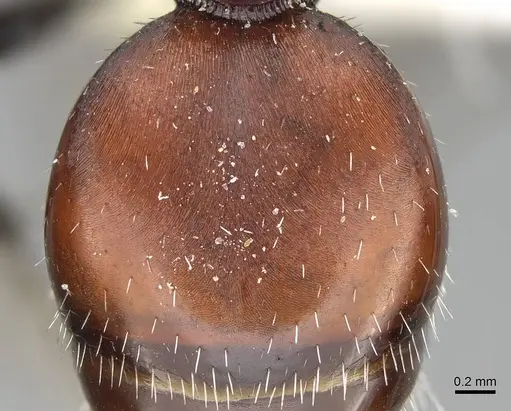
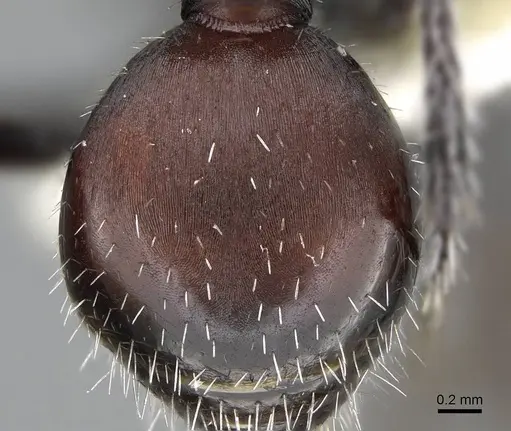
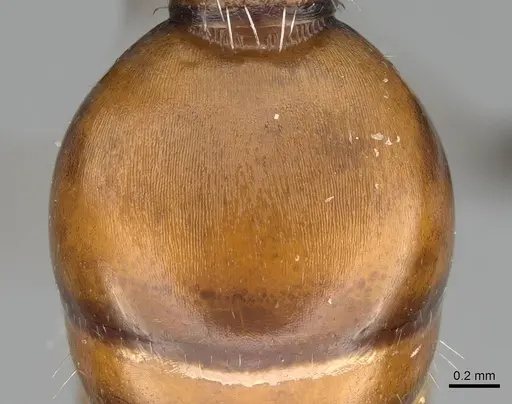
Pogonomyrmex loaensis is one of the most recently described seed-harvester ants, formally named in 2021 from specimens collected in Chile's El Loa Province. This species is known only from a narrow band of the central Andes at extreme elevations between 3175 and 4040 meters [1]. Workers are a striking uniform ferruginous orange to reddish-orange color, with the first gastral segment showing characteristic striations [1]. Nests are built under stones, where workers construct a tumulus mound that can reach 15cm in diameter [1]. Colonies contain up to 1000 workers based on partial nest excavations [1].
Housing and Nest Setup
For this high-elevation species, keep housing cool and relatively dry [1]. A naturalistic setup with a layer of sandy soil beneath flat stones works well, this mimics their natural nesting under stones in the puna [1]. The substrate should be well-draining and allowed to dry between waterings. For founding colonies, a standard test tube setup works, but consider adding a small forager arena with seeds available. As colonies grow, transition to formicarium setups with chambers scaled to their size. The key is providing a temperature gradient so workers can regulate their own conditions [1].
Feeding and Diet
Diet is not specified in research. As seed-harvester ants, they likely eat seeds, but specific preferences are unknown. Offer a variety of seeds and observe. Workers are solitary foragers, they do not recruit nestmates to food sources, so place seeds in the foraging area and allow workers to discover them naturally [1].
Temperature and Seasonal Care
This is a cold-adapted species from extreme elevations, temperature management is critical. Keep the nest area between 18-22°C, avoiding temperatures above 25°C, based on habitat data [1]. Provide a gentle thermal gradient. During winter, expect reduced activity and provide a diapause period at reduced temperatures, mimicking the harsh Andean winter [1].
Behavior and Handling
Pogonomyrmex loaensis workers are solitary foragers, meaning each ant searches for food independently [1]. The genus is known for defensive behavior and potent stings, so handle with care. Workers are not aggressive toward the nest but will sting if threatened. Escape prevention should be moderate, they are not tiny ants but can climb smooth surfaces. Provide a water source in the outworld [1].
Frequently Asked Questions
How long does it take for Pogonomyrmex loaensis to produce first workers?
The exact timeline is unknown, not studied for this species.
What do Pogonomyrmex loaensis ants eat?
Diet is not specified in research. As seed-harvester ants, they likely eat seeds, but specific preferences are unknown. Offer a variety of seeds and observe.
What temperature do Pogonomyrmex loaensis need?
Keep them cool, aim for 18-22°C, based on high-elevation habitat [1].
Do Pogonomyrmex loaensis need hibernation?
Likely yes, based on high-elevation origin, expect a winter rest period [1].
How big do Pogonomyrmex loaensis colonies get?
Colonies can reach up to 1000 workers based on partial nest excavations [1].
Can I keep Pogonomyrmex loaensis in a test tube?
Yes, test tubes work for founding colonies. However, plan for eventual transition to a larger setup as the colony grows.
Why don't I see recruitment to food with Pogonomyrmex loaensis?
This is normal, they are solitary foragers [1]. Workers search for food individually rather than recruiting nestmates.
Are Pogonomyrmex loaensis good for beginners?
They are rated as medium difficulty. The main challenges are providing correct cool temperatures and managing dry conditions.
What humidity level do Pogonomyrmex loaensis need?
Keep them relatively dry, this is an arid habitat species [1]. The nest substrate should be moderately dry.
Report an Issue
The current care sheet is based fully on literature. See inconsistencies, or something that's incorrect? Please , it will be resolved after review from an admin. Contributing to the blogs tab also helps providing information, to make us be able to further improve the caresheets. Thank you for your support!
References

Bu bakım rehberi şu lisans altındadır: CC BY-SA 4.0 .
Topluluk Blogları
CASENT0922560
AntWeb'de Görüntüle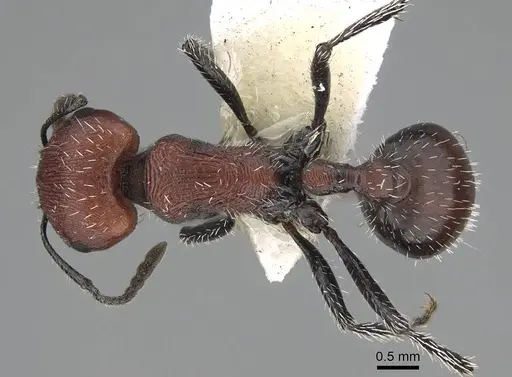
CASENT0922561
AntWeb'de Görüntüle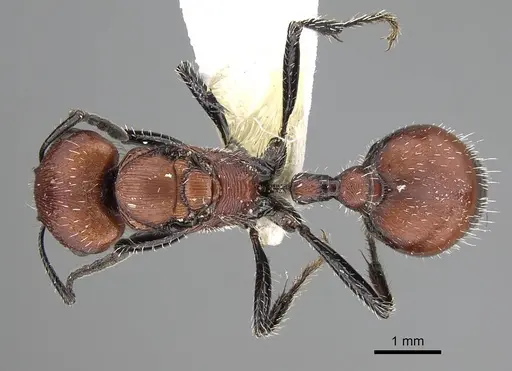
CASENT0922562
AntWeb'de Görüntüle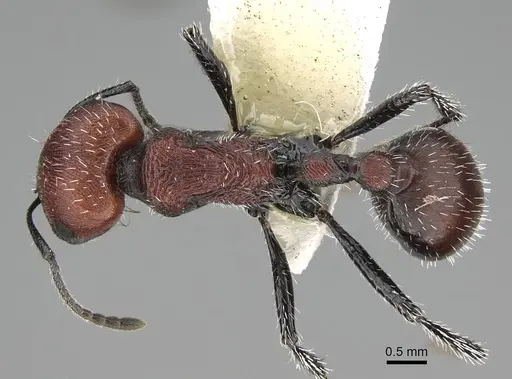
CASENT0922563
AntWeb'de Görüntüle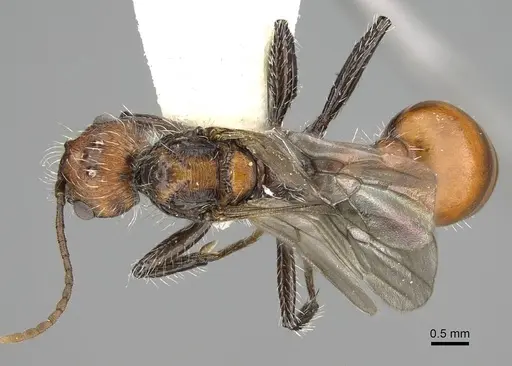
Literatür
Dağılım haritası yükleniyor...Ürünler yükleniyor...