
Pheidole sperata
- Bilimsel Adı
- Pheidole sperata
- Oymak (Tribe)
- Attini
- Alt Familya
- Myrmicinae
- Yazar (Tanımlayan)
- Forel, 1915
- Dağılım
- 0 ülkede bulundu
Giriş
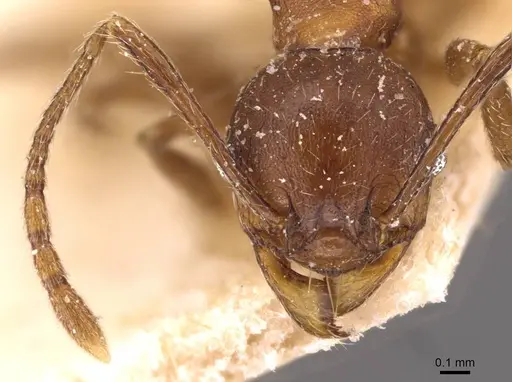
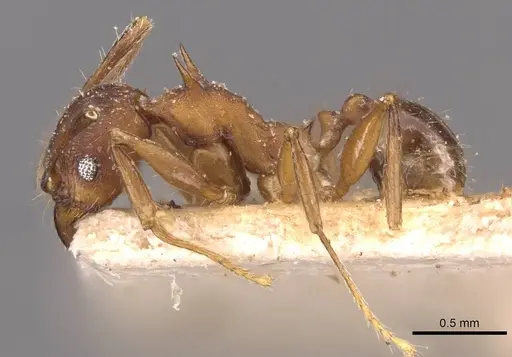
Pheidole sperata is a small ant species from the quadricuspis group, native to Indonesia, specifically Sumatra and West Java . It exhibits typical Pheidole dimorphism with major and minor worker castes. Majors have a weakly rugoso-punctate vertexal lobe and punctate mesosoma, while minors have a blunt petiolar node and sparse standing hairs on the mesosoma . The species was first described in 1915 from Sumatra. This species belongs to the Myrmicinae subfamily and Attini tribe, which are known for sting defense, though specific behavior for P. sperata is not detailed in the literature.
Quick Summary
- Difficulty: Medium
- Origin & Habitat: Native to Indonesia, specifically Sumatra (Simalur, Sinabang) and West Java (Mount Halimon) [1].
- Colony Type: Colony structure is unconfirmed for this species. No specific data on queen number or social structure.
- Size & Growth:
- Queen: Estimated ~7-9 mm, inferred from Pheidole genus patterns
- Worker: Minor workers ~3-4 mm, major workers ~4-6 mm, inferred from Pheidole genus patterns
- Colony: Up to several hundred workers, estimated based on typical Pheidole colonies
- Growth: Moderate
- Development: Estimated 6-8 weeks at 25-28°C, inferred from related species (Development time is inferred, specific data for P. sperata is unavailable)
- Antkeeping:
- Temperature: Keep at 24-28°C, inferred from tropical habitat
- Humidity: Maintain moderate humidity, keep substrate moist but not waterlogged, inferred
- Diapause: No diapause required, tropical species
- Nesting: Standard test tubes for founding, Y-tong or plaster nests for growth, practical advice
- Behavior: Docile and non-aggressive, small size requires escape prevention, inferred from genus patterns
- Common Issues: tropical species requires warm temperatures year-round, cold stress can kill colonies, small colony size means they are vulnerable to disturbance, minimize nest inspections during founding, escape prevention is important due to their small size, use tight-fitting lids and fine mesh, limited species-specific information means care is based on genus patterns, monitor colony behavior and adjust conditions accordingly, high humidity requirements can lead to mold if ventilation is poor, balance humidity with adequate airflow
Housing and Nest Setup
For founding colonies, a simple test tube setup is commonly used, but founding behavior is unconfirmed for this species. Once workers emerge, transfer to a proper formicarium. Y-tong (AAC) nests work well for humidity control, or use plaster nests with a water reservoir. Always provide an outworld connected to the nest for foraging [2].
Feeding and Diet
Diet is unconfirmed, but Pheidole species are typically omnivorous. Offer varied diet including small protein sources (e.g., fruit flies, mealworms) and carbohydrates (e.g., sugar water, honey) [2]. Feed small amounts every 2-3 days, removing uneaten food to prevent mold.
Temperature and Humidity
As a tropical species, maintain temperatures around 24-28°C. Use a heating cable if needed to create a gentle gradient. Humidity should be moderate, keep the nest substrate consistently moist but not waterlogged [2].
Colony Growth and Development
Colonies grow through the typical ant life cycle: egg, larva, pupa, adult worker. Development time is estimated at 6-8 weeks to first workers at optimal temperatures. After workers emerge, the colony enters a growth phase with continued egg-laying and brood care [2].
Behavior and Temperament
Pheidole sperata is docile and non-aggressive, posing no threat to keepers. Workers are active foragers, but majors typically remain near the nest. Escape prevention is critical due to their small size, use fine mesh barriers [2].
Frequently Asked Questions
How long does it take for Pheidole sperata first workers to emerge?
Expect first workers to emerge in approximately 6-8 weeks after queen sealing, at temperatures of 25-28°C. This is inferred from related Pheidole species [2].
What do Pheidole sperata ants eat?
They are omnivorous. Offer small insects for protein and sugar water or honey for carbohydrates [2].
What temperature do Pheidole sperata ants need?
Keep them at 24-28°C, inferred from their tropical habitat [2].
Do Pheidole sperata colonies need hibernation?
No, as a tropical species, they do not require diapause [2].
How big do Pheidole sperata colonies get?
Up to several hundred workers, estimated based on typical Pheidole colonies [2].
Can I keep multiple Pheidole sperata queens together?
Colony structure is unconfirmed, so it is not recommended to combine queens, as most Pheidole species are monogyne and may fight [2].
When should I move Pheidole sperata to a formicarium?
Keep in a test tube until workers emerge, then transfer to a formicarium with an outworld. Ensure proper humidity and escape prevention [2].
Are Pheidole sperata ants good for beginners?
They are moderate difficulty due to need for warm, humid conditions and limited species-specific information [2].
Why are my Pheidole sperata workers dying?
Common causes include cold stress, low humidity, mold, or disturbance. Ensure stable temperatures and adequate humidity [2].
Report an Issue
The current care sheet is based fully on literature. See inconsistencies, or something that's incorrect? Please , it will be resolved after review from an admin. Contributing to the blogs tab also helps providing information, to make us be able to further improve the caresheets. Thank you for your support!
References

Bu bakım rehberi şu lisans altındadır: CC BY-SA 4.0 .
Topluluk Blogları
CASENT0907770
AntWeb'de Görüntüle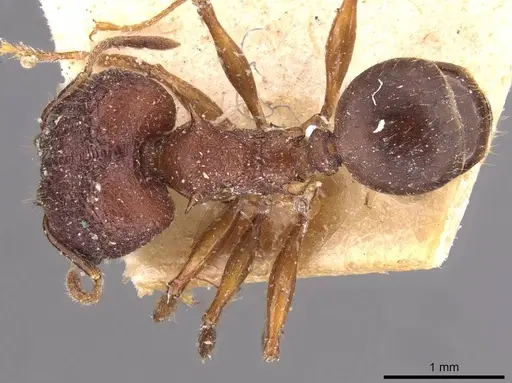
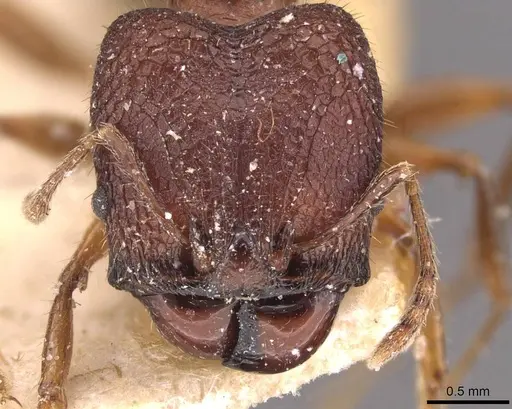
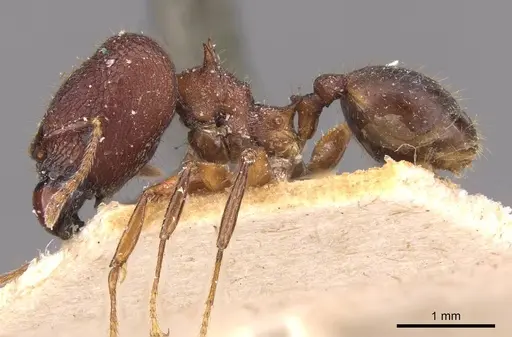
CASENT0907771
AntWeb'de Görüntüle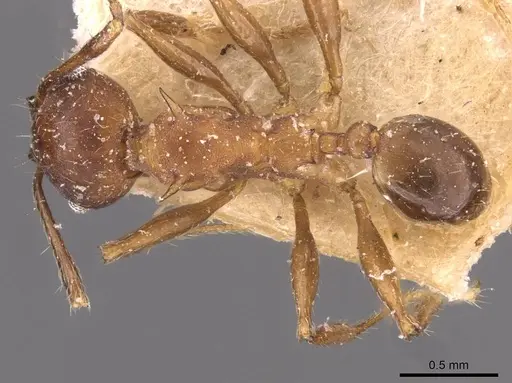
Literatür
Dağılım haritası yükleniyor...Ürünler yükleniyor...