
Pheidole piceonigra
- Bilimsel Adı
- Pheidole piceonigra
- Oymak (Tribe)
- Attini
- Alt Familya
- Myrmicinae
- Yazar (Tanımlayan)
- Emery, 1922
- Dağılım
- 0 ülkede bulundu
Giriş
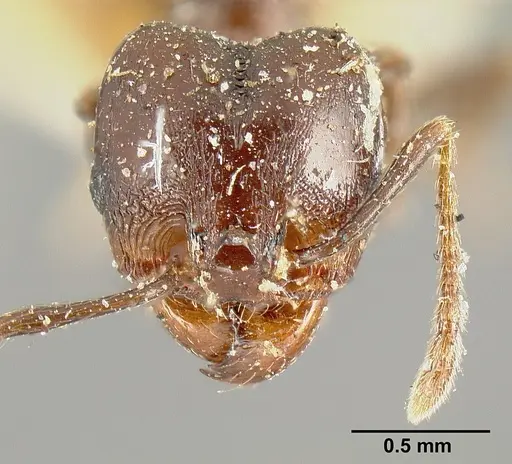
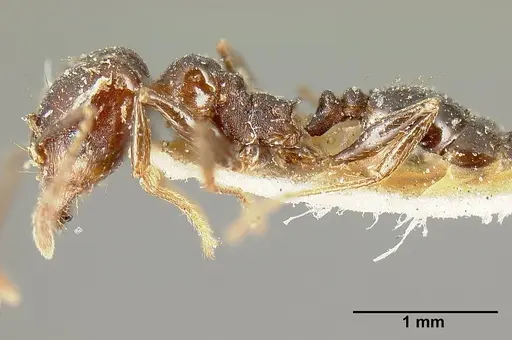
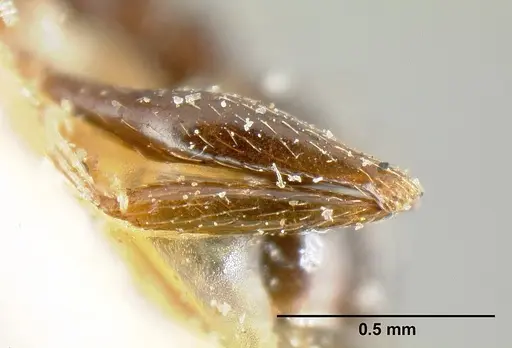
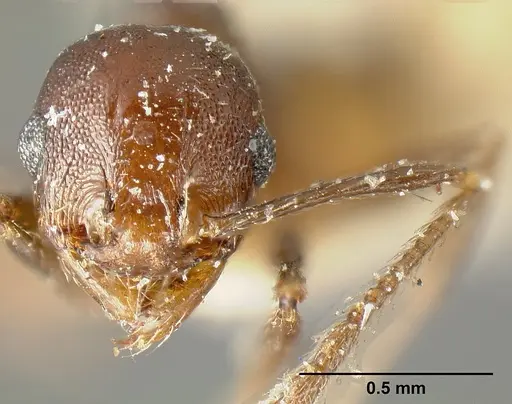
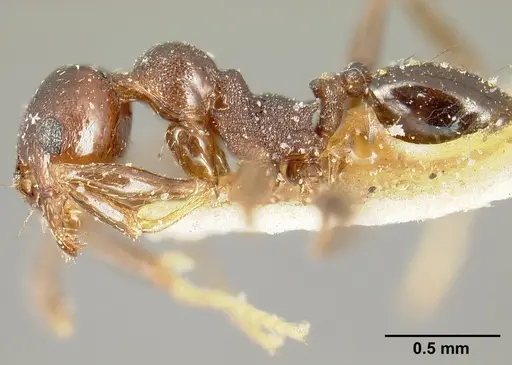
Pheidole piceonigra is a small Neotropical big-headed ant found in cloud forests across Mexico and Costa Rica at elevations of 1070-2200 meters . This species features the characteristic Pheidole dimorphism with two worker castes: large major workers with oversized heads for defensive duties, and smaller minor workers that handle most foraging and brood care . Majors are dark brown with an almost black gaster, while minors are reddish-brown to blackish-brown . The species was formally described by Emery in 1922 as a replacement name for Pheidole picea . In the wild, colonies nest at the base of shrubs and in disturbed areas like city parks, demonstrating adaptability to human-modified environments .
Quick Summary
- Difficulty: Easy
- Origin & Habitat: Cloud forests of Mexico (Chiapas, Tamaulipas, Veracruz) and Costa Rica at 1070-2200m elevation. Nests at the base of ornamental shrubs in urban parks and disturbed areas [1][2].
- Colony Type: Based on Pheidole genus patterns, likely monogyne (single queen), but unconfirmed for this species.
- Size & Growth:
- Queen: Size data unavailable, no total length measurements available for this species. Inferred from Pheidole genus patterns (~6-8 mm)
- Worker: Size data unavailable, no total length measurements available for this species. Inferred from Pheidole genus patterns (~2-5 mm)
- Colony: Estimated up to several hundred workers based on genus patterns
- Growth: Moderate, typical for Pheidole genus
- Development: Estimated 6-10 weeks at optimal temperature, inferred from Pheidole genus patterns [1] (Development time may vary with temperature, specific data for this species unavailable)
- Antkeeping:
- Temperature: Keep cool around 18-22°C, based on cloud forest habitat [1]
- Humidity: Keep substrate consistently moist but not waterlogged, as cloud forests are humid [1]
- Diapause: Unknown for this species
- Nesting: Natural nests are at ground level beneath shrubs. In captivity, standard test tubes and formicaria work well. Provide moist substrate [1]
- Behavior: Pheidole piceonigra is not particularly aggressive but will defend the nest vigorously. Major workers have powerful mandibles for defense. As a member of Myrmicinae, they possess a sting, but it is less medically significant. Escape risk is moderate, standard barriers sufficient.
- Common Issues: cloud forest species may overheat in warm rooms, monitor temperatures carefully, colonies grow slowly which can frustrate beginners expecting rapid growth, major workers develop later than minors, don't be concerned if early brood seems all minor, wild-caught colonies may have parasites that cause colony failure in captivity
Housing and Nest Setup
Pheidole piceonigra adapts well to standard ant housing. Test tubes work perfectly for founding colonies, fill one-third with water reservoir and plug with cotton. Once the colony reaches 50+ workers, you can move to a formicarium. Any standard nest type (Y-tong, plaster, naturalistic) works well as long as humidity is maintained. The key requirement is keeping them cool, avoid placing nests in direct sunlight or near heating elements. Chamber sizes should accommodate both major and minor workers comfortably. Provide an outworld for foraging that is easy to clean [1].
Feeding and Diet
Like most Pheidole species, these ants are omnivorous. They readily accept protein sources like small insects (fruit flies, small crickets, mealworms) and will also collect seeds and grain. Minor workers do most of the foraging while majors stay near the nest to defend and process harder foods. Offer a protein source 2-3 times per week and provide a constant sugar source (honey water or sugar water) for energy. Remove uneaten food after 24-48 hours to prevent mold.
Temperature and Seasonal Care
This is a cloud forest species from higher elevations, so temperature management is critical. Keep them in the cooler range of 18-22°C, avoid temperatures above 25°C which can stress or kill colonies. Room temperature is often ideal for this species. If your home runs warm, consider using a small fan or placing the colony in a cooler room. Unlike lowland tropical ants, they may show reduced activity during winter months even without formal hibernation. Monitor colony behavior, if workers become less active and cluster together, this indicates they prefer cooler conditions [1].
Colony Development and Castes
Pheidole piceonigra has two distinct worker castes. Minor workers are smaller and handle most tasks, foraging, brood care, and nest maintenance. Major workers develop later in colony growth and have large heads with powerful mandibles for defense and seed processing. Don't be alarmed if your founding colony produces only minor workers initially, majors typically appear once the colony reaches 50-100 workers. The development of majors is a sign of a healthy, growing colony [1].
Behavior and Defense
Pheidole piceonigra is not particularly aggressive toward keepers but will defend the nest vigorously if threatened. Major workers will rush to confront intruders with their powerful mandibles. In the wild, this species nests at the base of shrubs, so they are adapted to ground-level conditions with moderate traffic. They possess a sting as members of Myrmicinae, but it is less medically significant to humans. Standard escape prevention (fluon barriers, tight-fitting lids) is adequate for this species as they are not particularly adept at climbing smooth surfaces.
Frequently Asked Questions
How long does it take for Pheidole piceonigra to produce first workers?
Based on typical Pheidole development, expect 6-10 weeks from egg to first worker at optimal temperature (around 20°C). Claustral founding means the queen seals herself in and raises the first brood alone without foraging [1].
Can I keep multiple Pheidole piceonigra queens together?
Not recommended. While not extensively studied for this species, Pheidole are typically single-queen (monogyne) colonies. Combining unrelated queens often results in fighting and colony failure.
What do Pheidole piceonigra ants eat?
They are omnivorous. Offer small insects (fruit flies, pinhead crickets, mealworms) as protein 2-3 times weekly, and provide constant access to sugar water or honey. They will also collect small seeds. Minors do most foraging while majors stay near the nest.
What temperature is best for Pheidole piceonigra?
Keep them cool, 18-22°C is ideal. This is a cloud forest species from higher elevations (1070-2200m) and does not tolerate heat well. Avoid temperatures above 25°C [1].
Are Pheidole piceonigra good for beginners?
Yes, this is a good beginner species. They are hardy, adapt well to captivity, and have straightforward care requirements. The main challenges are keeping them cool and being patient with their moderate growth rate.
When should I move my colony to a formicarium?
Move from test tube to formicarium once the colony reaches 50-100 workers or the test tube becomes cramped. Ensure the new setup has appropriate humidity and keep temperatures in the cool range.
Why are my Pheidole piceonigra majors not developing?
This is normal. Major workers develop later in colony growth, typically after the colony reaches 50-100 workers. Early broods are usually all minors. Be patient, majors will appear as the colony matures.
Do Pheidole piceonigra need hibernation?
Unknown for this specific species. As a cloud forest ant from higher elevations, they may have reduced activity during cooler months but formal hibernation may not be necessary. Monitor your colony's behavior and adjust accordingly.
How big do Pheidole piceonigra colonies get?
Estimated up to several hundred workers based on typical Pheidole colony sizes. They are not among the largest Pheidole species but can still form substantial colonies.
Report an Issue
The current care sheet is based fully on literature. See inconsistencies, or something that's incorrect? Please , it will be resolved after review from an admin. Contributing to the blogs tab also helps providing information, to make us be able to further improve the caresheets. Thank you for your support!
References

Bu bakım rehberi şu lisans altındadır: CC BY-SA 4.0 .
Topluluk Blogları
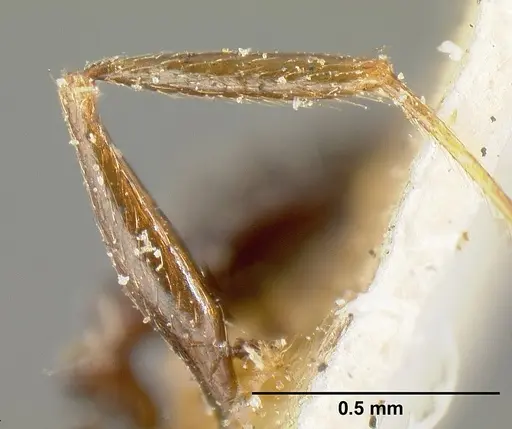
CASENT0601283
AntWeb'de Görüntüle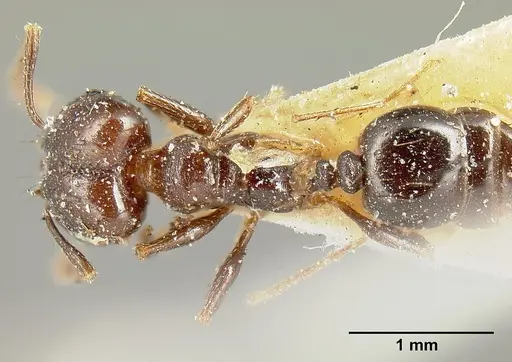
CASENT0601284
AntWeb'de Görüntüle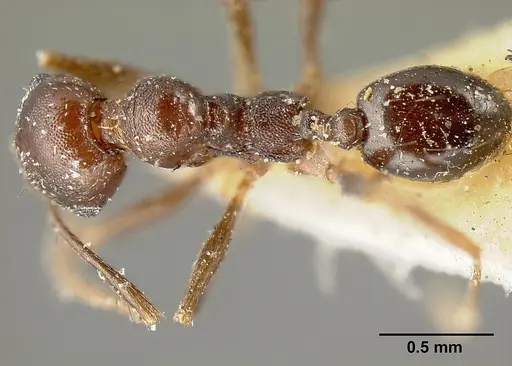
Literatür
Dağılım haritası yükleniyor...Ürünler yükleniyor...