
Pheidole philippi
- Bilimsel Adı
- Pheidole philippi
- Oymak (Tribe)
- Attini
- Alt Familya
- Myrmicinae
- Yazar (Tanımlayan)
- Emery, 1915
- Dağılım
- 0 ülkede bulundu
Giriş
Pheidole philippi is a small ant species in the genus Pheidole, characterized by major and minor worker castes. Described by Emery in 1915,it is found in East Africa, including Ethiopia, Eritrea, and the Democratic Republic of Congo . Like other Pheidole species, it has polymorphic workers with larger majors and smaller minors. As a member of the Attini tribe, P. philippi likely exhibits seed-harvesting behavior, though this has not been directly studied for this species.
Quick Summary
- Difficulty: Unknown, no documented captive keeping information available
- Origin & Habitat: East Africa, Ethiopia, Eritrea, Democratic Republic of Congo [1][2]. Inhabits tropical and subtropical regions.
- Colony Type: Unconfirmed, colony structure not documented for this species.
- Size & Growth:
- Queen: Size data unavailable, inferred from Pheidole genus to be approximately 6-9 mm
- Worker: Minor workers up to 4 mm, major workers up to 6 mm, inferred from Pheidole genus
- Colony: Unknown, typical Pheidole colonies can reach up to several thousand workers
- Growth: Unknown
- Development: Unknown, estimated 6-10 weeks based on genus patterns at warm temperatures (Estimates based on tropical Pheidole species.)
- Antkeeping:
- Temperature: Based on tropical origin, keep warm around 24-30°C. Provide a gradient for self-regulation.
- Humidity: Keep substrate consistently moist but not waterlogged, with some drier areas available.
- Diapause: No, as a tropical species, diapause is not required.
- Nesting: Soil-nesting preferred. Use Y-tong or plaster nests with moisture retention. Avoid acrylic nests.
- Behavior: Pheidole species are generally calm and not aggressive. Major workers have large mandibles for seed processing. Escape risk is high due to small size, so use fine mesh barriers.
- Common Issues: no documented captive care information exists, this species has never been kept in captivity., limited research means care recommendations are educated guesses., wild-caught colonies may have parasites or diseases that are poorly understood., small size makes escape prevention critical., tropical origin means sensitivity to temperature drops below 20°C.
Species Overview and Identification
Pheidole philippi is a member of the Myrmicinae subfamily and the Attini tribe, which includes seed-harvesting ants. The species was described by Carlo Emery in 1915 from Ethiopia [1]. It has been recorded in Eritrea and the Democratic Republic of Congo, giving it a distribution across East Africa [2]. Like all Pheidole species, it exhibits polymorphism with minor workers (smaller foragers) and major workers (larger ants with big heads used for defense and seed processing).
Natural History and Habitat
Pheidole philippi inhabits the Afrotropical region, specifically tropical and subtropical areas of East Africa. The climate in this range is warm with seasonal rainfall. Specific habitat details like nesting sites or elevation are not documented, but based on typical Pheidole behavior, this species likely nests in soil under stones or in shaded locations and forages during daylight hours. [1][2]
Housing and Nesting Preferences
Since no captive data exists, housing recommendations are based on typical Pheidole behavior. These ants likely prefer soil-based nests with moderate moisture. Use Y-tong or plaster nests with moisture retention, avoiding acrylic nests. The nesting area should be kept moist but not waterlogged, with some drier areas for humidity regulation. Chambers should be scaled for ants up to 6 mm in size, and the outworld must have secure escape prevention due to small size.
Feeding and Diet
As members of the Attini tribe, Pheidole species are primarily granivorous, meaning they collect and consume seeds. In captivity, offer small seeds like sesame or millet continuously, along with protein sources such as fruit flies or mealworms 2-3 times per week. Sugar water can be offered occasionally, but seeds are the primary food. Remove uneaten prey after 24-48 hours to prevent mold.
Temperature and Seasonal Care
Given the tropical origin, keep temperatures between 24-30°C, with an ideal nesting area around 26-28°C. Use a heating cable or mat to create a gradient. Diapause is not required for this species, but slight activity reductions during cooler months may occur. Room temperature around 20-24°C may be acceptable, but warmer conditions promote better growth.
Colony Development and Growth
Colony development for P. philippi is unconfirmed. Based on genus patterns, claustral founding may occur, but this is not documented. The first workers may emerge in 6-10 weeks under warm conditions. Colony growth depends on temperature and feeding, with major workers appearing once the colony reaches a moderate size. Growth is typically moderate compared to other genera.
Frequently Asked Questions
How do I care for Pheidole philippi ants?
There is no documented captive care for this species. Based on typical Pheidole behavior, provide temperatures around 26-28°C, keep substrate moist but not waterlogged, and use soil-based or moisture-retaining nests. Feed seeds as primary food with occasional protein.
What do Pheidole philippi ants eat?
As granivorous ants, they likely eat seeds along with small insects. Offer small seeds like sesame or millet, plus fruit flies or mealworms for protein.
How long does it take for Pheidole philippi to produce first workers?
This is unconfirmed. Based on genus patterns, expect 6-10 weeks from egg to first worker at warm temperatures.
Do Pheidole philippi ants need hibernation?
No, as a tropical species, they do not require diapause. Keep them warm year-round.
Are Pheidole philippi ants aggressive?
Pheidole species are generally calm. Major workers have large mandibles for seed processing and are not known for painful stings.
How big do Pheidole philippi colonies get?
Colony size is unconfirmed. Based on genus patterns, colonies can reach up to several thousand workers over time.
Can I keep multiple Pheidole philippi queens together?
This has not been studied. Most Pheidole species are single-queen, so keeping one queen per colony is safest.
What size nest do Pheidole philippi need?
Use a nest with appropriately sized chambers for ants up to 6 mm. Y-tong or plaster nests with moisture chambers work well. Ensure secure escape prevention in the foraging area.
Is Pheidole philippi a good species for beginners?
No, because there is no documented captive care. Beginners should start with well-documented species.
Report an Issue
The current care sheet is based fully on literature. See inconsistencies, or something that's incorrect? Please , it will be resolved after review from an admin. Contributing to the blogs tab also helps providing information, to make us be able to further improve the caresheets. Thank you for your support!
References

Bu bakım rehberi şu lisans altındadır: CC BY-SA 4.0 .
Topluluk Blogları
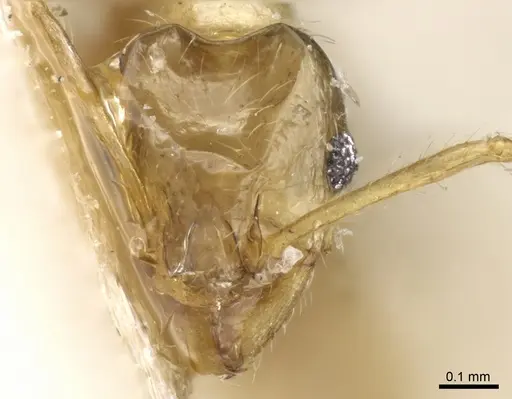
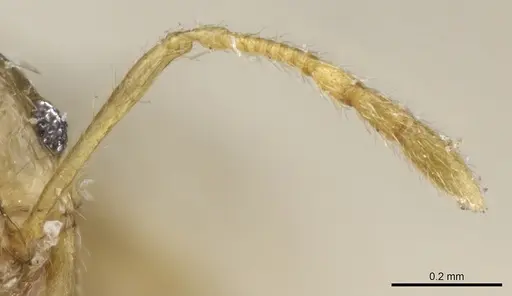
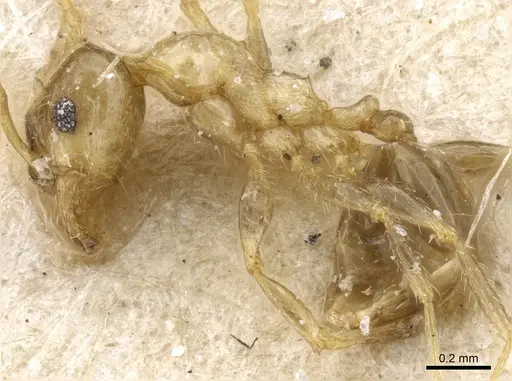
CASENT0904220
AntWeb'de Görüntüle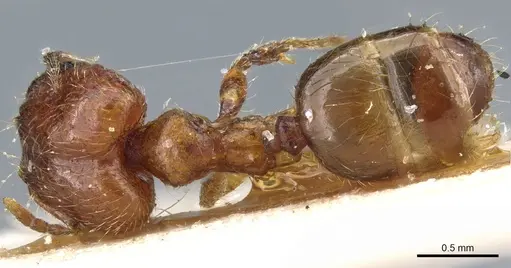
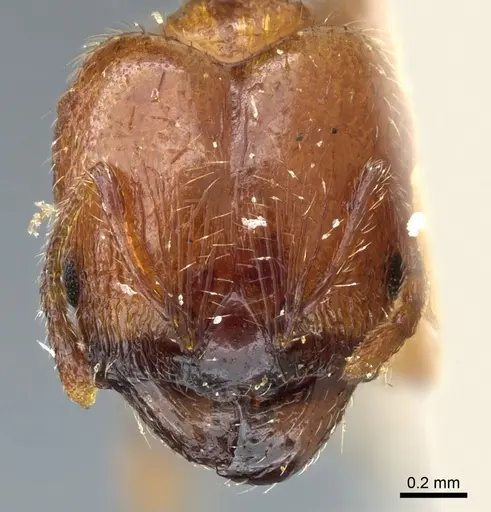
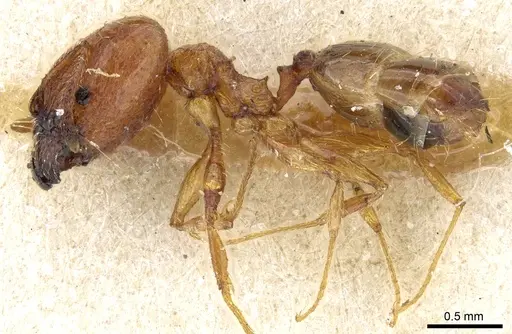
CASENT0904221
AntWeb'de Görüntüle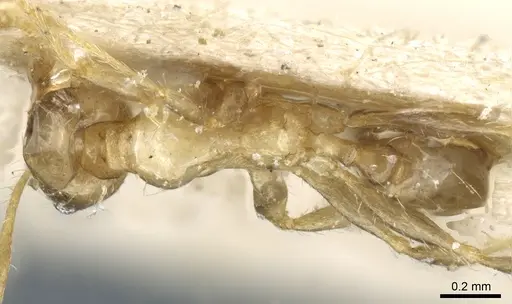
Literatür
Dağılım haritası yükleniyor...Ürünler yükleniyor...