
Pheidole obnixa
- Bilimsel Adı
- Pheidole obnixa
- Oymak (Tribe)
- Attini
- Alt Familya
- Myrmicinae
- Yazar (Tanımlayan)
- Forel, 1912
- Dağılım
- 0 ülkede bulundu
Giriş
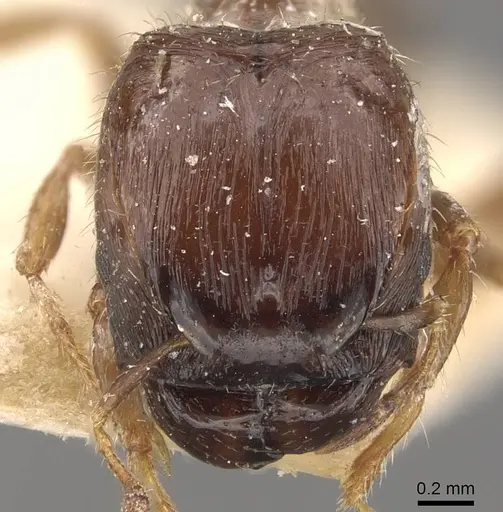
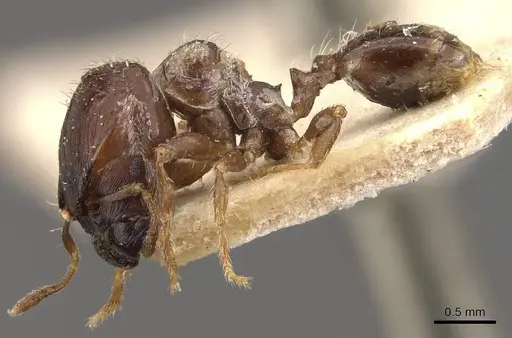
Pheidole obnixa is a small ant native to central Argentina, specifically Buenos Aires, Córdoba, and Santa Fé provinces . The species has dimorphic workers with majors having enlarged heads and minors being much smaller, but total body size measurements are not available in scientific literature . This species belongs to the tribe Attini, which includes seed-harvesting ants, but little is known about its specific biology .
Quick Summary
- Difficulty: Hard
- Origin & Habitat: Native to central Argentina, specifically Buenos Aires, Córdoba, and Santa Fé provinces [1].
- Colony Type: Unconfirmed, no colony structure data exists for this species.
- Size & Growth:
- Queen: size data unavailable
- Worker: size data unavailable
- Colony: Unknown
- Growth: Unknown
- Development: Unknown, no direct measurements exist. Based on typical Pheidole patterns, expect 6-10 weeks at warm temperatures, but this is an estimate [1]. (No developmental studies have been conducted on this species.)
- Antkeeping:
- Temperature: Inferred from Argentine habitat: aim for 22-26°C. Provide a temperature gradient [1].
- Humidity: Inferred from central Argentine climate: moderate humidity. Allow substrate to dry partially between waterings [1].
- Diapause: Unknown, no seasonal data exists [1].
- Nesting: No natural nesting data exists. Based on genus patterns, they likely nest in soil or under stones. Use standard test tube setups initially [1].
- Behavior: Based on genus typical behavior, expect non-aggressive colony with majors defending the nest and foraging. Minors handle daily tasks. Escape prevention is critical due to tiny minor workers [1]. Pheidole ants do not sting but may bite, as they belong to Myrmicinae which have a sting, though it is less medically significant.
- Common Issues: this species has never been kept in captivity, all care recommendations are educated guesses based on genus patterns, no colony founding data exists, unknown if queen is claustral or semi-claustral, escape prevention is critical due to tiny minor workers, diet preferences are unknown, must experiment with seeds, protein, and sugar sources, no hibernation data exists, winter care is uncertain
Why This Species Is So Challenging
Pheidole obnixa presents a unique challenge in antkeeping: literally nothing is known about its biology in the wild or in captivity. The original description only covers physical measurements, and no biological observations have been added [1]. This means every aspect of care, from founding behavior to diet preferences to temperature tolerance, must be inferred from related species or guessed entirely. For experienced antkeepers, this represents an opportunity to document new behavior. For beginners, this uncertainty makes the species extremely risky, a colony could fail for reasons no one has ever encountered. Only attempt this species if you have experience with difficult, data-poor ant species and can afford to lose the colony while learning its requirements.
Inferring Care from Related Species
Since direct data doesn't exist, we can make educated guesses based on other studied Pheidole species. The genus Pheidole contains over 1000 species and is one of the most diverse ant genera. Most studied Pheidole are monogyne (single-queen), with claustral founding where the queen seals herself in and raises first workers alone on stored fat reserves [1]. Workers are dimorphic: small minors handle foraging and brood care, while majors defend the nest and process large food items. Most Pheidole are omnivorous, eating seeds, insects, and honeydew. However, these are general genus patterns, P. obnixa may deviate in any of these aspects.
Housing Recommendations
Given the complete lack of species-specific data, start with standard Pheidole housing. Use test tubes with water reservoirs for founding colonies, the small size of minors means you need excellent escape prevention. Apply fluon or use tight-fitting lids. Once the colony reaches 50+ workers, consider transitioning to a Y-tong or plaster nest. Provide a foraging area with access to both protein sources and sugar water. The species is from central Argentina, so aim for temperatures in the low-to-mid 20s°C range with some variation. Always provide a humidity gradient so ants can self-regulate. [1]
Feeding Strategy
No specific feeding data exists for P. obnixa, but related Pheidole are omnivorous. Start with the basics: small live insects (fruit flies, pinhead crickets, mealworms) for protein, and sugar water or honey for carbohydrates. Pheidole are in the tribe Attini, which includes seed-harvesting ants, you might experiment with offering small seeds once the colony is established. Feed every 2-3 days initially, adjusting based on how quickly food is consumed. Remove uneaten protein within 24 hours to prevent mold. The tiny size of minors means prey must be very small, springtails or fruit fly pupae are good starting points. [1]
Legal and Ethical Considerations
Pheidole obnixa is native to Argentina and has never been documented outside its natural range. If you obtain this species, it will likely be from a wild-caught queen or colony from Argentina. Never release any ant colony in North America, Europe, or other regions where it could become invasive, Pheidole as a genus are known to establish in new areas and cause ecological disruption. Ensure your colony is securely contained and never allow escape to the wild. Additionally, check your local regulations regarding keeping native Argentine ants or importing foreign ant species. [1]
Frequently Asked Questions
Has anyone successfully kept Pheidole obnixa in captivity?
No documented cases exist of this species being kept in captivity. The species biology is completely unstudied, and no antkeepers have published their experiences with P. obnixa. All care information is inferred from related species.
What does Pheidole obnixa eat?
Unknown for this specific species. Based on related Pheidole, they likely eat small insects, seeds, and honeydew. You will need to experiment with protein sources (small live prey), carbohydrates (sugar water), and potentially seeds. Start with fruit flies and sugar water.
How long does it take for Pheidole obnixa to develop from egg to worker?
No direct measurements exist. Based on typical Pheidole development, expect 6-10 weeks at optimal temperatures (around 24-26°C). This is a rough estimate, the actual timeline could be faster or slower.
Do Pheidole obnixa queens need to forage during founding?
Unknown, no one has documented the founding behavior of this species. Most Pheidole are claustral (queen seals herself in and lives off stored fat), but P. obnixa could potentially be semi-claustral (queen must leave to hunt). Monitor your founding queen closely and provide small prey just in case.
What temperature should I keep Pheidole obnixa at?
No species-specific data exists. Based on their Argentine habitat (Buenos Aires, Córdoba, Santa Fé), aim for 22-26°C. Provide a temperature gradient so the colony can choose its preferred zone. Room temperature in the low-to-mid 20s°C should work as a starting point.
How big do Pheidole obnixa colonies get?
Unknown, no colony size data has been published. Most Pheidole colonies reach several hundred to a few thousand workers. P. obnixa may be smaller given the tiny minor workers, but this is purely speculative.
Can I keep multiple Pheidole obnixa queens together?
Unknown, no data exists on colony structure for this species. Most Pheidole are monogyne (single queen), but some species can be polygyne (multiple queens). Do not attempt combining unrelated queens without research to support it.
Do Pheidole obnixa need hibernation?
Unknown, no seasonal behavior data exists. The species is from central Argentina, which has mild winters. You might try a mild cool period (15-18°C) for 2-3 months during Southern Hemisphere winter (June-August), but this is entirely speculative.
Is Pheidole obnixa a good species for beginners?
No, this species is not recommended for beginners. The complete lack of biological data means every aspect of care is uncertain, and the colony will essentially be a learning experiment. Only experienced antkeepers who can document their findings should attempt this species.
Report an Issue
The current care sheet is based fully on literature. See inconsistencies, or something that's incorrect? Please , it will be resolved after review from an admin. Contributing to the blogs tab also helps providing information, to make us be able to further improve the caresheets. Thank you for your support!
References

Bu bakım rehberi şu lisans altındadır: CC BY-SA 4.0 .
Topluluk Blogları
CASENT0908304
AntWeb'de Görüntüle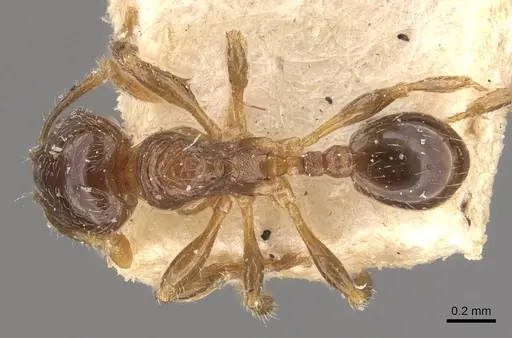
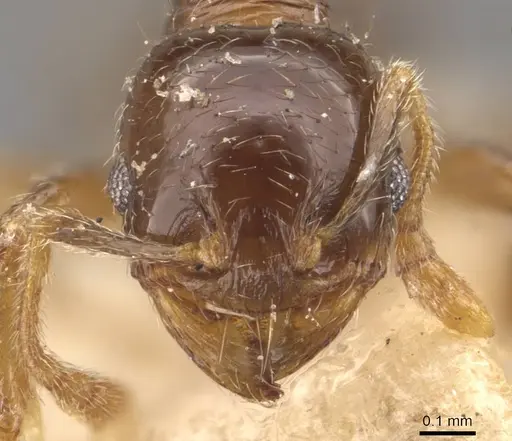
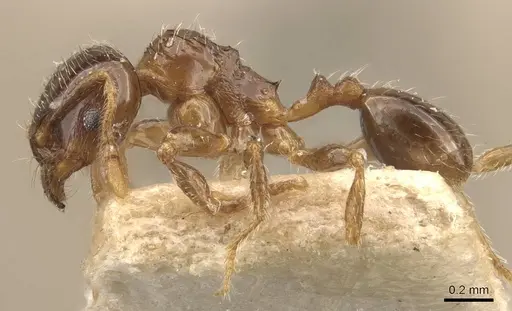
CASENT0908305
AntWeb'de Görüntüle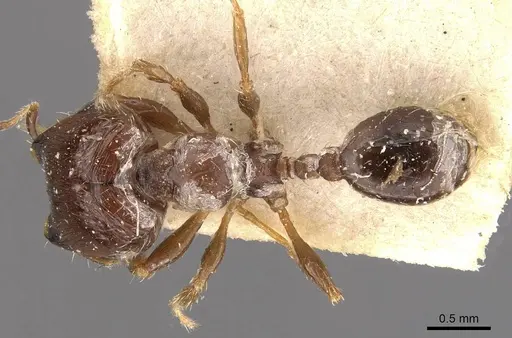
Literatür
Dağılım haritası yükleniyor...Ürünler yükleniyor...