
Pheidole maja
- Bilimsel Adı
- Pheidole maja
- Oymak (Tribe)
- Attini
- Alt Familya
- Myrmicinae
- Yazar (Tanımlayan)
- Forel, 1886
- Dağılım
- 0 ülkede bulundu
Giriş
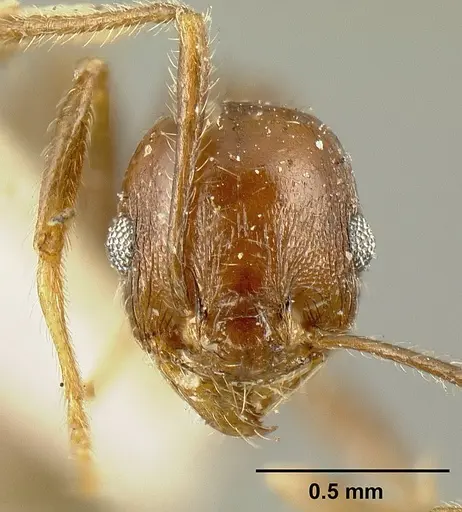
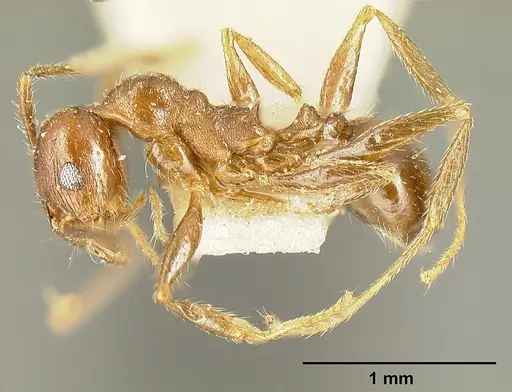
Pheidole maja is a dimorphic ant species with major and minor workers, native to Guatemala. It is known only from the highland regions around Guatemala City and Tecpam at approximately 7000 feet elevation . No biological data is available for this species . This species belongs to the fallax group and was first described by Forel in 1886. Major workers measure 3.5-3.8 mm and minor workers measure 2.3 mm, with a uniform chestnut brown coloration .
Quick Summary
- Difficulty: Hard
- Origin & Habitat: Guatemala, specifically the highlands around Guatemala City and Tecpam at approximately 7000 feet (2135m) elevation [1][3].
- Colony Type: Unconfirmed, no data on colony structure
- Size & Growth:
- Antkeeping:
- Temperature: Based on highland origin, keep at room temperature with a gradient. Start around 20-24°C and observe colony activity [2][3].
- Humidity: Keep nest substrate lightly moist but not waterlogged, with a humidity gradient [2].
- Diapause: Unknown, no data on overwintering requirements
- Nesting: No specific nesting data. Use test tubes for founding and Y-tong or plaster nests for established colonies, with escape prevention due to small size [2].
- Behavior: No behavioral observations published. Based on genus patterns, Pheidole species are typically active foragers. Defense involves a stinger as a member of Myrmicinae, but no specific data for this species. Escape risk is high due to small worker size [2].
- Common Issues: no biological data means care is speculative, monitor colony health closely, escape prevention is critical due to small worker size, use fine mesh barriers, lack of colony size data makes housing upgrades uncertain, observe for crowding, no confirmed diet preferences, offer varied foods and note acceptance, founding behavior is unconfirmed, assume claustral as default for Pheidole
Appearance and Identification
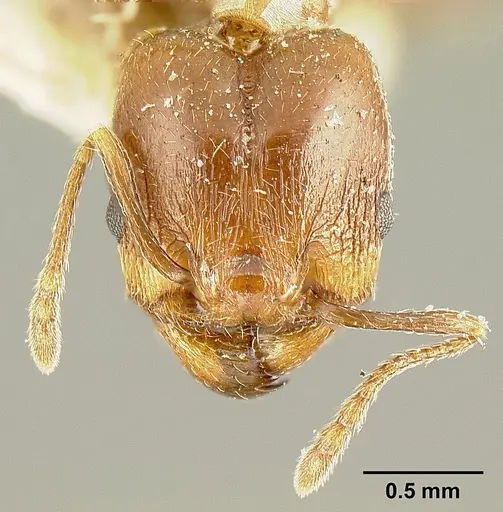
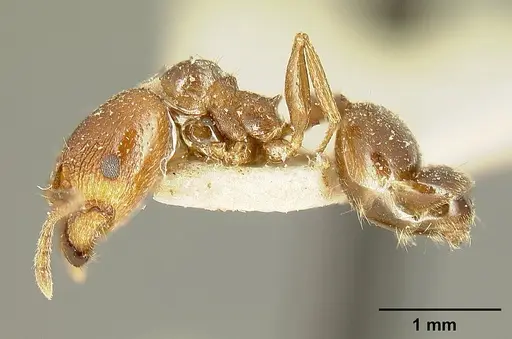
Pheidole maja is a dimorphic ant with two worker castes: major workers (soldiers) and minor workers. Major workers measure 3.5-3.8 mm in length and have an elliptical head that narrows from above. Minor workers are about 2.3 mm and more robust. The coloration is uniform chestnut brown, with paler legs, antennae, and mandibles. The species belongs to the fallax group and was described by Forel in 1886 [2][1].
Natural History and Distribution
This species is known only from Guatemala, specifically highland locations around Guatemala City and Tecpam at 7000 feet elevation. No biological data exists on nesting habits, diet, or behavior in the wild [2][3][4].
Housing and Nest Setup
For founding colonies, use a standard test tube setup. For established colonies, use Y-tong or plaster nests with chambers scaled to their small size. Escape prevention is critical due to the 2.3 mm minor workers, use fine mesh on all openings [2].
Feeding and Diet
No specific dietary data exists. Offer protein sources like small insects, seeds, and sugar water. Observe what the colony accepts and adjust accordingly [2].
Temperature and Seasonal Care
Based on highland origin, keep at room temperature with a gradient around 20-24°C. Monitor colony behavior to adjust. Diapause requirements are unknown [2][3].
Challenges and Considerations
The main challenge is the lack of biological data, requiring close observation. Escape prevention is essential due to small size. This species is rarely kept, so care guidelines are limited [1][2].
Frequently Asked Questions
How long does it take for Pheidole maja to produce first workers?
The egg-to-worker timeline is unknown, no data exists for this species.
What do Pheidole maja ants eat?
No specific dietary data exists. Based on genus patterns, offer protein, seeds, and sugar sources [2].
What temperature do Pheidole maja ants need?
Based on highland origin, keep at 20-24°C with a gradient [2][3].
Do Pheidole maja ants need hibernation?
Diapause requirements are unknown, no data exists.
How big do Pheidole maja colonies get?
Colony size is unknown, no scientific data exists.
Are Pheidole maja ants good for beginners?
Difficulty is hard due to lack of data. Experienced keepers may have success, but beginners should start with better-documented species.
Can I keep multiple Pheidole maja queens together?
Colony structure is unconfirmed, not recommended without data.
What size nest do Pheidole maja ants need?
Use appropriately scaled housing for their small size [2].
How do I identify Pheidole maja from other Pheidole?
By dimorphic workers, chestnut brown color, and highland Guatemala locality [2][1].
Why is so little known about Pheidole maja?
It was described in 1886 but has received little scientific attention since then [2].
Report an Issue
The current care sheet is based fully on literature. See inconsistencies, or something that's incorrect? Please , it will be resolved after review from an admin. Contributing to the blogs tab also helps providing information, to make us be able to further improve the caresheets. Thank you for your support!
References

Bu bakım rehberi şu lisans altındadır: CC BY-SA 4.0 .
Topluluk Blogları
JTLC000015318
AntWeb'de Görüntüle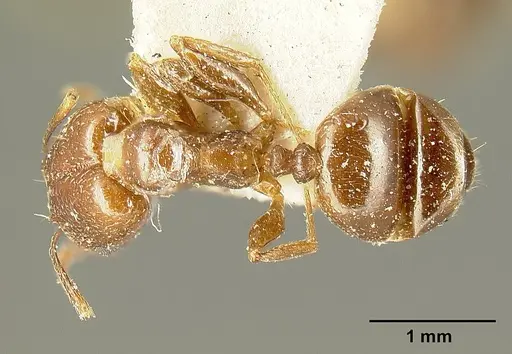
JTLC000015319
AntWeb'de Görüntüle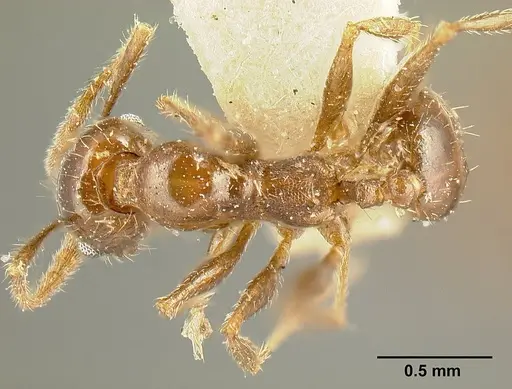
Literatür
Dağılım haritası yükleniyor...Ürünler yükleniyor...