
Pheidole ghigii
- Bilimsel Adı
- Pheidole ghigii
- Oymak (Tribe)
- Attini
- Alt Familya
- Myrmicinae
- Yazar (Tanımlayan)
- Emery, 1900
- Dağılım
- 0 ülkede bulundu
Giriş
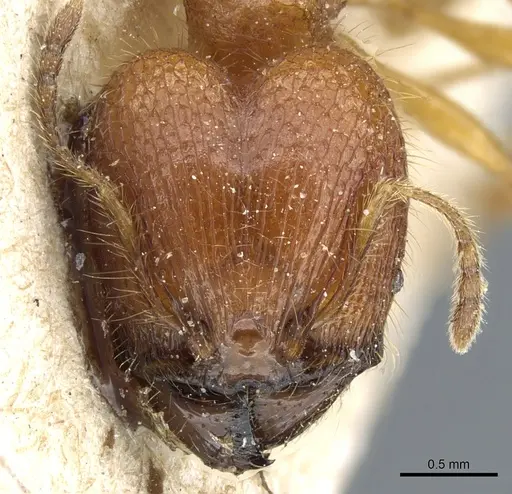
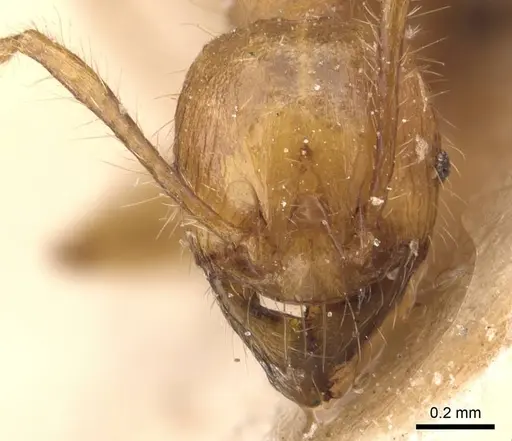
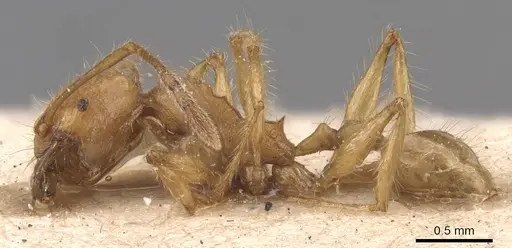
Pheidole ghigii is a small myrmicine ant native to Southeast Asia, found in Borneo, Sumatra, and Bali . Workers come in two sizes: majors measure 2.4-3.1 mm total length with enlarged heads, while minors are 1.6-1.7 mm total length . The species has a massive postpetiole and a prominent bump on the promesonotum . Body color is yellowish-brown with darker mandibles and clypeus . It inhabits well-developed lowland forests and has been recorded in cacao plantations . A notable aspect is its coexistence with trap-jaw ants in agricultural areas .
Quick Summary
- Difficulty: Medium
- Origin & Habitat: Native to Borneo, Sumatra, and Bali in Indonesia and Malaysia, inhabiting well-developed lowland forests [1].
- Colony Type: Colony structure is unconfirmed. No specific data on queen number or social structure.
- Size & Growth:
- Queen: Size data unavailable
- Worker: Major: 2.4-3.1 mm, Minor: 1.6-1.7 mm total length [1]
- Colony: Typical Pheidole colonies can reach up to several thousand workers
- Growth: Moderate
- Development: Estimated 6-10 weeks at optimal temperatures (Development time may vary based on temperature and conditions.)
- Antkeeping:
- Temperature: Temperature needs are unclear, based on tropical lowland habitat, keep around 24-28°C and observe.
- Humidity: Keep the nest substrate consistently moist but not waterlogged, reflecting their forest floor habitat [1].
- Diapause: No, as a tropical species, they do not require hibernation.
- Nesting: In nature, they likely nest in soil or rotting wood in lowland forests [1]. In captivity, use Y-tong or plaster nests that maintain humidity.
- Behavior: Pheidole ghigii has minor and major workers. Majors have enlarged heads for defense and seed processing. They are not aggressive toward keepers but will defend the nest if threatened. Escape risk is moderate due to small size, use fine barriers.
- Common Issues: high humidity requirements can lead to mold if ventilation is poor., tropical species struggle in cool or dry conditions., small minor workers can escape through standard barriers if not using fine mesh., wild-caught colonies may harbor parasites., slow founding phase requires patience.
Nest Preferences and Housing
Pheidole ghigii originates from lowland forests in Borneo and Sumatra [1]. In captivity, use Y-tong or plaster nests that maintain humidity. The nest should have snug-fitting chambers sized for the colony. A water tube attached to the nest helps maintain humidity [1]. Place the nest in a warm area away from direct sunlight and drafts.
Feeding and Diet
These ants are omnivorous. Offer small insects like fruit flies or pinhead crickets as protein sources. They also accept seeds and sugar water. Feed protein prey 2-3 times per week, with sugar water constantly available. Remove uneaten prey after 24-48 hours to prevent mold.
Temperature and Seasonal Care
As a tropical lowland species, keep temperatures around 24-28°C for optimal brood development. Temperatures below 22°C may slow growth. A heating cable on one side of the nest creates a gradient. They do not require hibernation.
Behavior and Colony Structure
Pheidole ghigii has distinct major and minor workers. Majors have enlarged heads for defense and seed processing, while minors handle foraging and brood care [1]. Colonies are likely founded by a single queen, but this is unconfirmed. They are not aggressive but will defend the nest if threatened. Escape risk is moderate due to small size.
Humidity and Water Management
This species requires high humidity, reflecting their forest floor habitat [1]. Keep the nest substrate consistently moist but not waterlogged. A water tube provides drinking water. Mist the outworld occasionally, but avoid over-misting to prevent mold.
Frequently Asked Questions
How long does it take for Pheidole ghigii to produce first workers?
Based on typical Pheidole development, expect 6-10 weeks from egg to first worker at optimal temperatures. The queen will seal herself in during founding, but specific behavior is unconfirmed.
What do Pheidole ghigii ants eat?
They are omnivorous. Feed small insects like fruit flies or pinhead crickets as protein sources, and offer seeds or sugar water.
What temperature do Pheidole ghigii ants need?
Keep them warm at around 24-28°C, based on their tropical lowland habitat.
Can I keep multiple Pheidole ghigii queens together?
Not recommended, as colony structure is unconfirmed and most Pheidole species are single-queen. Combining queens may result in fighting.
Are Pheidole ghigii good for beginners?
They are rated as medium difficulty due to need for warm, humid conditions year-round.
How big do Pheidole ghigii colonies get?
Colony size is not documented, but typical Pheidole colonies can reach up to several thousand workers.
Do Pheidole ghigii need hibernation?
No, as a tropical species, they do not require hibernation.
What size nest do I need for Pheidole ghigii?
Start with a test tube setup for founding queens. Once the colony grows, move to a small Y-tong or plaster nest with snug chambers.
Why are my Pheidole ghigii dying?
Common causes include temperatures below 22°C, low humidity, mold from poor ventilation, or stress from disturbance during founding. Check temperature and humidity levels first.
Report an Issue
The current care sheet is based fully on literature. See inconsistencies, or something that's incorrect? Please , it will be resolved after review from an admin. Contributing to the blogs tab also helps providing information, to make us be able to further improve the caresheets. Thank you for your support!
References

Bu bakım rehberi şu lisans altındadır: CC BY-SA 4.0 .
Topluluk Blogları
CASENT0904268
AntWeb'de Görüntüle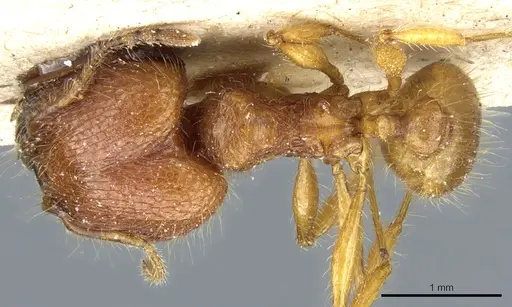
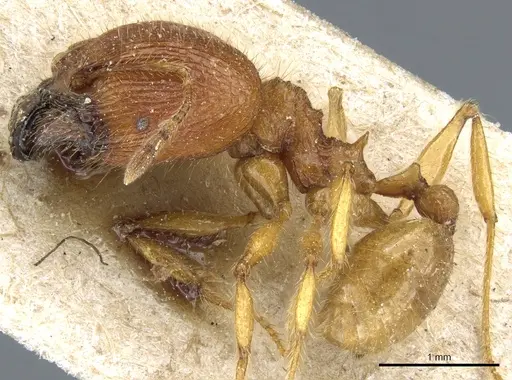
CASENT0905765
AntWeb'de Görüntüle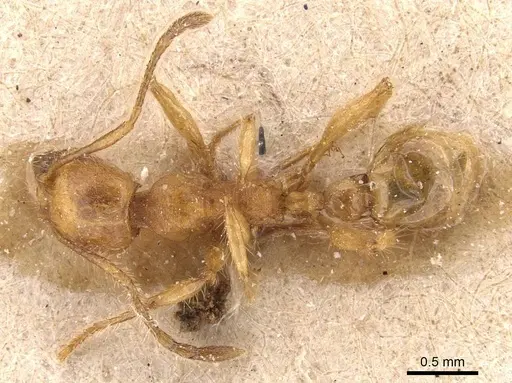
Literatür
Dağılım haritası yükleniyor...Ürünler yükleniyor...