
Pheidole decarinata
- Bilimsel Adı
- Pheidole decarinata
- Oymak (Tribe)
- Attini
- Alt Familya
- Myrmicinae
- Yazar (Tanımlayan)
- Santschi, 1929
- Dağılım
- 0 ülkede bulundu
Giriş
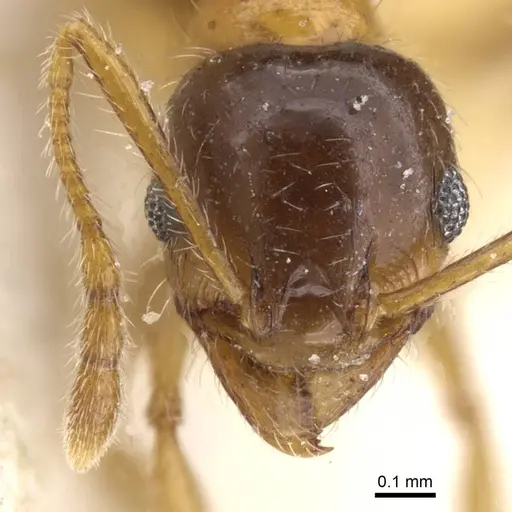
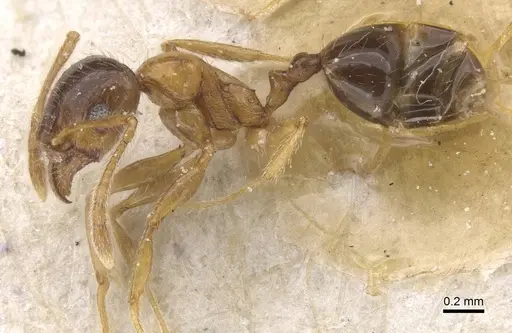
Pheidole decarinata is a small scavenging ant native to the Afrotropical region, found in countries including Sudan, Mali, Gabon, and Nigeria. This species is one of the smallest ant species, as noted in foraging studies . The ants have a distinctive appearance: major workers are reddish-brown with a dark gaster, while minor workers are dark reddish-brown. Both castes have relatively abundant long erect hairs covering their bodies, and their integument is noticeably shiny . This species is a highly active scavenger that forages both indoors and outdoors, with peak activity occurring during nighttime hours . They display organized foraging behavior where major workers break food into fragments and minor workers transport them back to the nest. Nests are commonly found indoors, particularly in wall cavities . This combination of small size, nocturnal activity, and scavenging lifestyle makes them an interesting but challenging species to keep.
Quick Summary
- Difficulty: Medium
- Origin & Habitat: Afrotropical region, documented in Sudan, Mali, Gabon, and Nigeria. They nest indoors in wall cavities and are highly adaptable to human habitation [1][2].
- Colony Type: Colony structure is not well documented. Pheidole species typically have single-queen colonies (monogyne), though some can have multiple queens. The presence of distinct major and minor worker castes is confirmed [2].
- Size & Growth:
- Queen: Size data unavailable, inferred from Pheidole genus patterns (~5-7mm).
- Worker: Workers are very small, with majors and minors among the smallest ants [1]. Size data unavailable in specific millimeters.
- Colony: Colony size is not well documented, but typical Pheidole colonies can reach up to several hundred workers [2].
- Growth: Moderate, estimated based on small worker size and genus patterns [2].
- Development: Estimated 6-8 weeks at optimal temperature based on genus patterns for small Myrmicinae [2]. (Development time is not directly studied for this species. Estimates based on typical Pheidole development at tropical temperatures (24-28°C).)
- Antkeeping:
- Temperature: Keep at warm temperatures around 24-28°C, based on tropical habitat. Provide a temperature gradient using a heating cable on one side of the nest [2].
- Humidity: Keep nest substrate consistently moist but not waterlogged, as they nest indoors in cavities [1].
- Diapause: No, as a tropical species, they do not require hibernation. Keep at stable warm temperatures year-round [2].
- Nesting: Use Y-tong (AAC) nests or 3D-printed nests with narrow chambers scaled to their small size. Their natural nesting in wall cavities suggests a preference for tight, enclosed spaces [1].
- Behavior: This species is defensive rather than aggressive, they will bite if threatened but are not prone to attacking. They are nocturnal scavengers, becoming most active after dark. They recruit nestmates to food sources through chemical signaling, and majors assist with food processing. Their very small size means they can escape through standard barrier gaps, excellent escape prevention is essential [1].
- Common Issues: escape prevention is critical, their tiny size allows them to squeeze through standard barriers [1]., nocturnal activity means you may not see them foraging until evening [1]., small colony size at founding makes founding colonies fragile., limited data means care requirements are estimated from genus patterns., wild-caught colonies may carry parasites that can devastate captive colonies.
Housing and Nest Setup
Pheidole decarinata requires careful housing due to their extremely small size. Use Y-tong (AAC) nests or 3D-printed nests with narrow chambers sized appropriately for their tiny workers. They naturally nest in wall cavities, indicating a preference for enclosed, tight spaces. Test tube setups can work for founding colonies, but monitor water levels carefully as their small size makes flooding a risk. Provide a small outworld connected to the nest via short tubing. Escape prevention must be excellent, these ants will escape through gaps that larger species cannot. Apply fluon or use fine mesh barriers around all connections [1].
Feeding and Diet
This is a scavenging species that accepts a wide variety of foods. In the wild, they scavenge on dead insects including cockroaches, with majors breaking larger prey into fragments that minors transport [1]. In captivity, offer protein sources like small crickets, mealworms, or other small insects. They also likely accept sugar sources, a small drop of honey or sugar water can be offered. Feed every 2-3 days, removing uneaten food promptly to prevent mold. Their nocturnal activity pattern means offering food in the evening increases the chance of immediate acceptance [1].
Temperature and Seasonal Care
As a tropical African species, Pheidole decarinata requires warm temperatures year-round. Maintain nest temperatures between 24-28°C. They show high activity levels in warm conditions and are more active during nighttime hours in the wild [1]. A heating cable placed on one end of the nest creates a gradient allowing ants to regulate their own temperature. Room temperature within this range is acceptable, below 24°C may reduce activity and slow brood development. No hibernation or diapause is required, these are year-round active ants from a tropical climate [2].
Colony Development and Growth
Colony growth follows typical Pheidole patterns but specific timelines are not documented for this species. Founding behavior is unconfirmed, but Pheidole queens often seal themselves in and raise the first brood using stored fat reserves. The first workers (nanitics) will be smaller than normal workers. Based on genus patterns, expect first workers approximately 6-8 weeks after founding at optimal temperatures. Growth rate is likely moderate, smaller Pheidole species typically reach several hundred workers over 1-2 years. The presence of distinct major and minor castes becomes visible once the colony reaches around 50-100 workers. Major workers develop as the colony invests in larger foragers capable of processing tougher food items [2].
Behavior and Foraging
Pheidole decarinata displays organized division of labor during foraging. Major workers use their larger mandibles to break food into manageable pieces, while minor workers carry fragments back to the nest [1]. They recruit nestmates to food sources through chemical trails, place food in the outworld and watch for workers returning with information, followed by a stream of foragers. They are primarily nocturnal, so expect peak activity in the evening and night hours. The species is defensive rather than aggressive, they will bite if the nest is disturbed but will not pursue threats. Their small size makes them vulnerable to larger predatory ants, so keep them separated from other ant species [1].
Frequently Asked Questions
How long does it take for Pheidole decarinata to produce first workers?
First workers typically appear 6-8 weeks after founding at optimal temperatures (24-28°C). This is an estimate based on typical Pheidole development patterns, as specific development data for this species is not available [2].
What do Pheidole decarinata ants eat?
They are scavengers that accept small insects (crickets, mealworms, fruit flies), and likely sugar sources like honey or sugar water. In the wild, they scavenge on dead insects including cockroaches [1]. Offer protein 2-3 times weekly and sugar water continuously.
Are Pheidole decarinata good for beginners?
This species is rated as medium difficulty. Their very small size makes escape prevention challenging, and their nocturnal habits mean you may not see activity during normal daytime hours. Experienced antkeepers will have more success with this species [1].
How big do Pheidole decarinata colonies get?
Colony size is not well documented, but typical Pheidole species can reach up to several hundred workers [2].
Do Pheidole decarinata need hibernation?
No, as a tropical African species, they do not require hibernation. Keep them at warm temperatures (24-28°C) year-round [2].
When are Pheidole decarinata most active?
This species is nocturnal, showing peak activity during nighttime hours. You will see the most foraging activity in the evening and throughout the night. This is documented in their natural behavior in Nigeria [1].
What size nest do I need for Pheidole decarinata?
Use a small nest with narrow chambers scaled to their tiny size. Y-tong (AAC) nests or 3D-printed nests work well. The chambers should accommodate their small workers. Start with a test tube setup for founding colonies and move to a small formicarium once the colony reaches 50+ workers [1].
Can I keep multiple Pheidole decarinata queens together?
Pheidole species are typically single-queen colonies. Combining unrelated queens is not recommended as they likely will fight. If you capture a colony with multiple queens, they may eventually sort out dominance or some may leave.
Why are my Pheidole decarinata escaping?
Their extremely small size means they can squeeze through tiny gaps. Apply fluon to all barrier surfaces, use fine mesh (at least 0.5mm), and check all connections for gaps. Even standard ant keeping setups may have leaks this species can exploit [1].
Report an Issue
The current care sheet is based fully on literature. See inconsistencies, or something that's incorrect? Please , it will be resolved after review from an admin. Contributing to the blogs tab also helps providing information, to make us be able to further improve the caresheets. Thank you for your support!
References

Bu bakım rehberi şu lisans altındadır: CC BY-SA 4.0 .
Topluluk Blogları
CASENT0913301
AntWeb'de Görüntüle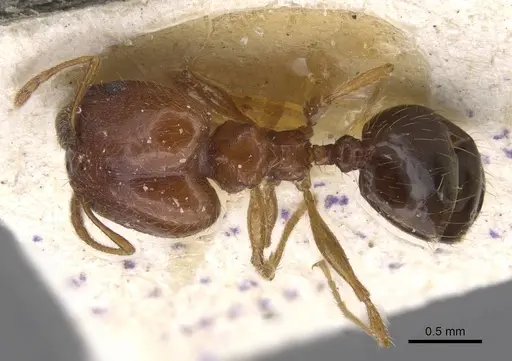
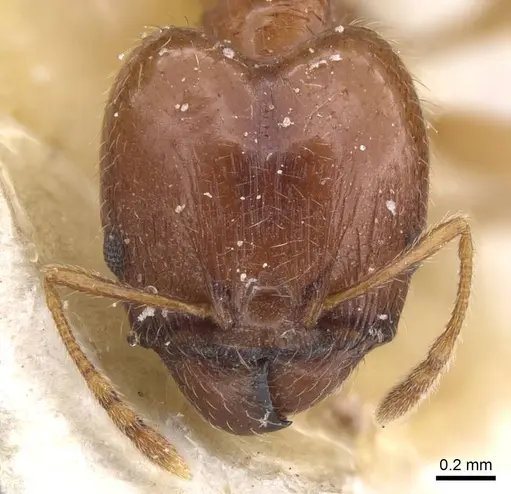
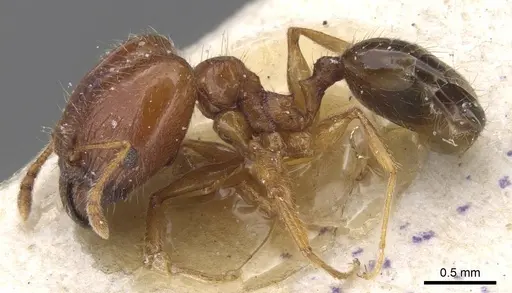
CASENT0913302
AntWeb'de Görüntüle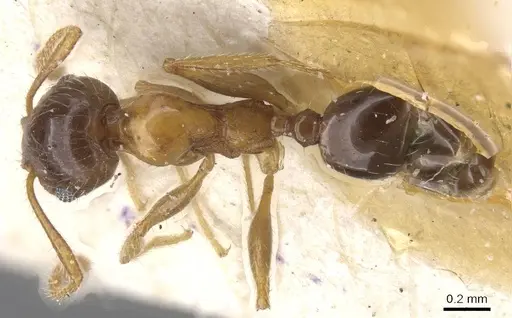
Literatür
Dağılım haritası yükleniyor...Ürünler yükleniyor...