
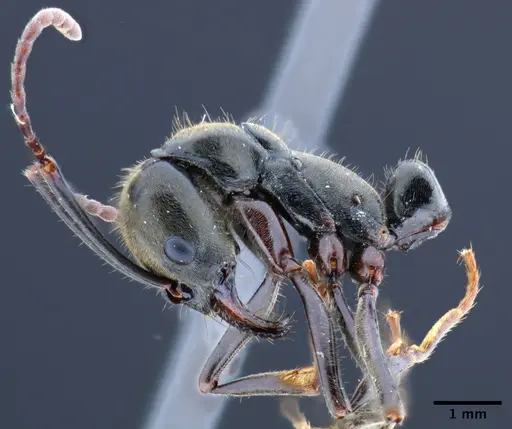
Neoponera hispida
- Bilimsel Adı
- Neoponera hispida
- Oymak (Tribe)
- Ponerini
- Alt Familya
- Ponerinae
- Yazar (Tanımlayan)
- MacKay & MacKay, 2010
- Dağılım
- 0 ülkede bulundu
Giriş
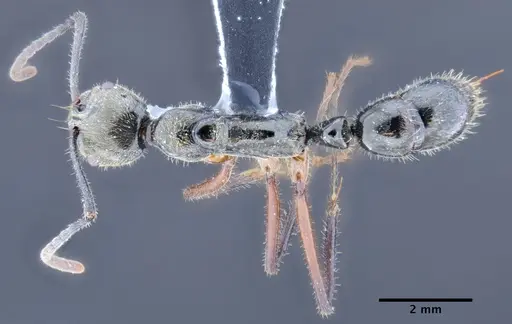
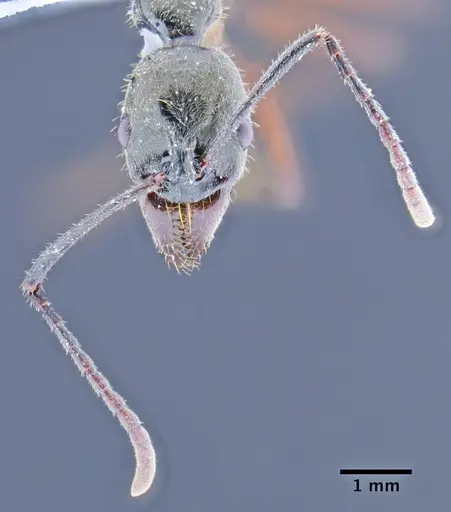
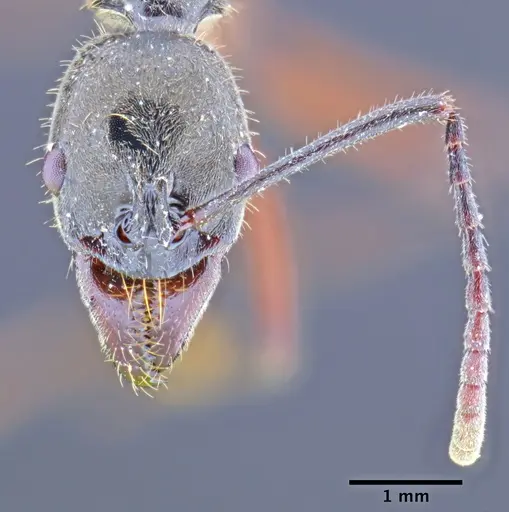
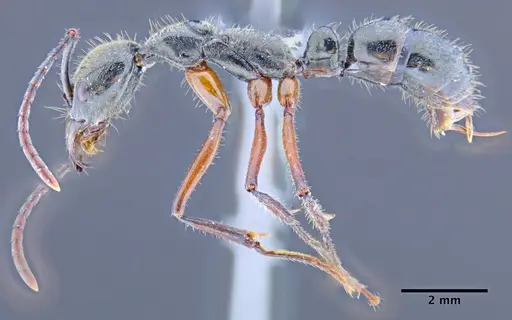
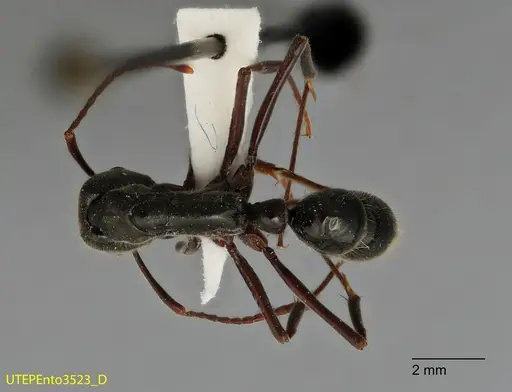
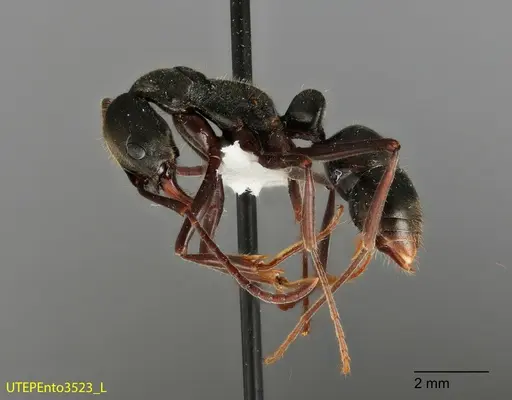
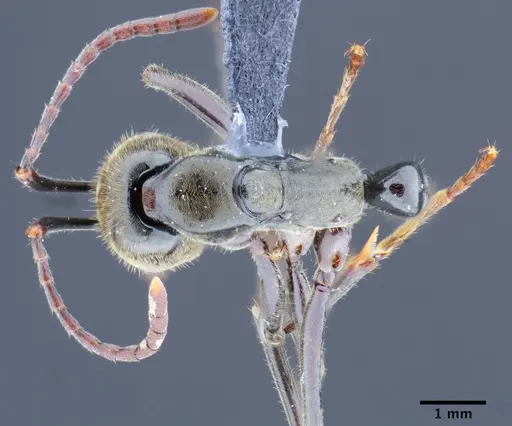
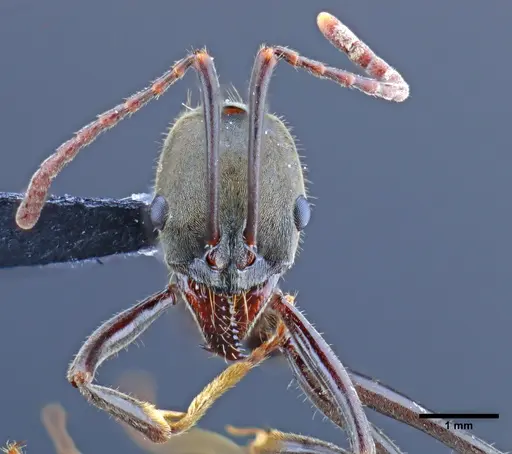
Neoponera hispida is a medium-sized ponerine ant found in the tropical forests of Colombia and Ecuador. Workers are robust with a distinctive hairy appearance, as suggested by the species name 'hispida' (meaning hairy in Latin). This species is documented from the Farallones region in Valle del Cauca, Colombia, as its type locality . Like other Neoponera species, they are active hunters with powerful stingers, making them impressive predators in the ant world. Their tropical distribution means they thrive in warm, humid conditions year-round.
Quick Summary
- Difficulty: Medium
- Origin & Habitat: Tropical forests of Colombia and Ecuador, specifically documented from Valle del Cauca in Colombia [1][2]. The Farallones region provides a humid, warm microclimate typical of Andean cloud forests.
- Colony Type: Colony structure is unconfirmed for this species. Based on typical Neoponera genus patterns, colonies likely have a single queen.
- Size & Growth:
- Queen: Size data unavailable, no specific measurements exist for this species. Neoponera queens typically range 12-18mm based on genus patterns.
- Worker: Size data unavailable, no specific measurements exist for this species. Neoponera workers typically range 8-14mm based on genus patterns.
- Colony: Colony size data unavailable for this species. Based on genus patterns, colonies likely reach several hundred workers at maturity.
- Growth: Moderate, Ponerine ants typically develop slower than many myrmicines
- Development: Development time is unconfirmed for this species. Related Ponerinae species typically require 8-12 weeks at optimal temperature. (Development time is estimated from genus-level data since species-specific studies are unavailable.)
- Antkeeping:
- Temperature: Keep at 24-28°C, mimicking tropical forest conditions. A heating cable on one side of the nest creates a gentle gradient allowing ants to thermoregulate.
- Humidity: Maintain high humidity at 70-80%. Keep the nest substrate consistently moist but not waterlogged. Provide a water source via a test tube cotton.
- Diapause: No, being a tropical species, they do not require hibernation. Keep temperatures stable year-round.
- Nesting: Naturalistic setups work well. They prefer damp soil or rotting wood in captivity. Y-tong nests or plaster nests with moisture reservoirs are suitable options.
- Behavior: Neoponera hispida is an active, predatory ant that hunts small invertebrates. Workers are aggressive defenders of the colony and possess a painful sting. They are primarily nocturnal or crepuscular foragers. Escape prevention is important, while not tiny, they are strong climbers and will explore any gap. They are not colony-friendly toward other ant species and should be kept alone.
- Common Issues: tropical species requires stable warm conditions, temperatures below 20°C can be harmful, high humidity needs mean mold can be an issue if ventilation is poor, predatory diet means they need regular live or frozen protein prey, slow development compared to many common ant species can test keeper patience, sting is painful, handle gently and avoid disturbing the colony
Housing and Nest Setup
Neoponera hispida does well in naturalistic setups that mimic their tropical forest floor habitat. A Y-tong (AAC) nest with narrow chambers works well, or you can use a plaster nest with a water reservoir to maintain humidity. The nest area should be kept dark or dimly lit, as these ants prefer sheltered conditions. The outworld should be simple with a small foraging area. Because they are skilled climbers, apply Fluon or similar barrier grease to all rim edges of the formicarium. A test tube water reservoir attached to the nest provides drinking water and helps maintain humidity.
Feeding and Diet
As predatory Ponerinae, Neoponera hispida needs a protein-rich diet. Offer small live insects such as fruit flies, small crickets, mealworms, or waxworms. Frozen insects are often accepted if moved to simulate movement. They typically accept protein 2-3 times per week. Unlike some ants, they are not highly attracted to sugar sources, though you can occasionally offer a drop of honey or sugar water. Remove uneaten prey within 24 hours to prevent mold. Fresh killed prey is more readily accepted than old, dried insects.
Temperature and Humidity
Being a tropical species from Colombia, Neoponera hispida requires warm conditions year-round. Keep the nest area at 24-28°C. A small heating cable placed on top of the nest (never underneath where it can dry out the moisture) creates a gentle thermal gradient. Temperature drops below 20°C for extended periods can weaken or kill colonies. Humidity should be high at 70-80%, the nest substrate should feel consistently damp but never sitting in water. A moist cotton ball in a test tube provides drinking water and helps maintain humidity levels.
Behavior and Temperament
Neoponera workers are active hunters that patrol the foraging area in search of prey. They are defensive of their nest and will readily sting if threatened. The sting is reported to be painful in related species, similar to a bee sting. Workers are primarily nocturnal, so expect most activity in the evening and night hours. They are not aggressive toward colony members but will attack other ant species. These ants are strong climbers and can squeeze through surprisingly small gaps, excellent escape prevention is essential. They do not form supercolonies and should be kept as a single colony.
Colony Development
Colony growth is moderate compared to many common ant species. A newly mated queen will found a colony alone. The first workers (nanitics) will be smaller than normal workers. Colony size at maturity likely reaches several hundred workers based on genus patterns. Development from egg to worker takes an estimated 8-12 weeks at optimal temperature based on related Ponerinae species. Patience is key, Ponerine colonies grow more slowly than many myrmicine ants that beginners commonly keep.
Frequently Asked Questions
How long does it take for Neoponera hispida to produce first workers?
Development time is unconfirmed for this species. Related Ponerinae species typically require 8-12 weeks from egg to first worker at optimal temperature (24-28°C). This is slower than many common ant species, so patience is required.
Do Neoponera hispida ants sting?
Yes, they have a potent sting similar to a bee sting. This is consistent with their classification in the Ponerinae subfamily, tribe Ponerini. Handle gently and avoid disturbing the colony. The sting is their primary defense.
What do Neoponera hispida eat?
They are predatory and need protein-rich foods. Offer small live or frozen insects like fruit flies, small crickets, or mealworms. They are not strongly attracted to sugar but occasional honey water may be accepted.
Can I keep multiple Neoponera hispida queens together?
Not recommended. Colony structure is unconfirmed for this species, but based on typical Neoponera behavior, they likely form single-queen colonies. Combining unrelated queens has not been documented for this species and would likely result in fighting.
Do Neoponera hispida need hibernation?
No, they are a tropical species from Colombia and do not require hibernation. Keep temperatures stable year-round in the 24-28°C range.
What temperature is best for Neoponera hispida?
Keep them warm at 24-28°C. They are tropical ants and cannot tolerate cool temperatures, avoid anything below 20°C.
Are Neoponera hispida good for beginners?
They are considered medium difficulty. While not as challenging as some exotic species, their specific temperature, humidity, and dietary needs require some experience. Their sting is also something to consider.
How big do Neoponera hispida colonies get?
Colony size data is unavailable for this specific species. Based on typical Neoponera genus sizes, mature colonies likely reach several hundred workers. They are not among the largest ant species.
When are Neoponera hispida most active?
They are primarily nocturnal or crepuscular, meaning they are most active in the evening and night hours. Expect to see foraging activity during these times.
Why are my Neoponera hispida dying?
Common causes include temperatures too low (below 20°C), humidity too low or too high (aim for damp but not wet), or inadequate protein in their diet. Check these parameters first.
Report an Issue
The current care sheet is based fully on literature. See inconsistencies, or something that's incorrect? Please , it will be resolved after review from an admin. Contributing to the blogs tab also helps providing information, to make us be able to further improve the caresheets. Thank you for your support!
References

Bu bakım rehberi şu lisans altındadır: CC BY-SA 4.0 .
Topluluk Blogları
Literatür
Dağılım haritası yükleniyor...Ürünler yükleniyor...