
Neoponera emiliae
- Bilimsel Adı
- Neoponera emiliae
- Oymak (Tribe)
- Ponerini
- Alt Familya
- Ponerinae
- Yazar (Tanımlayan)
- Forel, 1901
- Dağılım
- 0 ülkede bulundu
Giriş
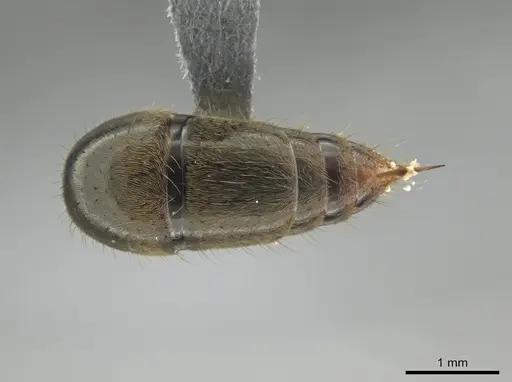
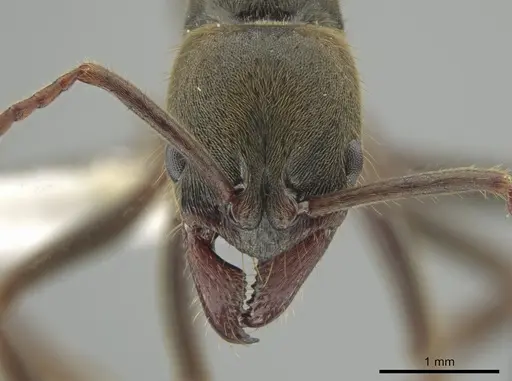
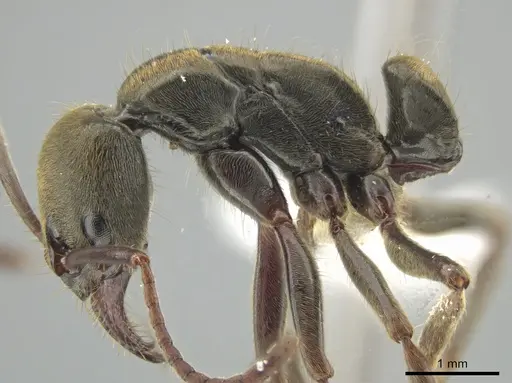
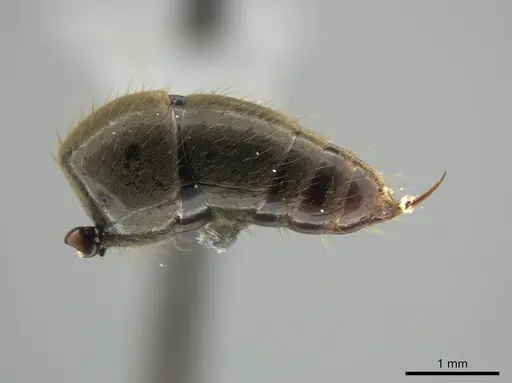
Neoponera emiliae is a medium-sized ponerine ant found in northern South America, specifically recorded from Colombia, Venezuela, and Peru . These ants have the classic ponerine appearance with a powerful stinger and robust build. They belong to the Ponerinae subfamily, known for their predatory habits and functional stinger. This species inhabits tropical and subtropical regions, typically in humid forest environments.
Quick Summary
- Difficulty: Medium
- Origin & Habitat: Northern South America, Colombia (Boyacá, Meta departments), Venezuela, and Peru. Found in tropical and subtropical forest habitats [1][2][3].
- Colony Type: Unconfirmed. Colony structure has not been documented in scientific literature.
- Size & Growth:
- Queen: Size data unavailable, no specific measurements exist for this species.
- Worker: Size data unavailable, no specific measurements exist for this species.
- Colony: Unknown, no colony size data available for this species.
- Growth: Unknown, no development data available.
- Development: Unknown, no specific measurements exist for this species. (Development time is unconfirmed for this species.)
- Antkeeping:
- Temperature: Keep warm and stable, roughly 24-28°C. Provide a temperature gradient allowing workers to self-regulate. Use a heating cable on one side of the nest if ambient temperature falls below 24°C.
- Humidity: High humidity required, these are forest ants from humid tropical regions. Keep nest substrate consistently moist but not waterlogged. Regular misting or a water reservoir in the formicarium helps maintain moisture.
- Diapause: Unknown for this specific species. Tropical origin suggests they may not require true hibernation, but a slight cool period during winter months may benefit colony health.
- Nesting: In the wild, Neoponera typically nest in soil, under stones, or in rotting wood. In captivity, a naturalistic setup with moist soil or a Y-tong (AAC) nest works well. Provide chambers scaled to their medium size with easy access to the outworld.
- Behavior: Like other Neoponera species, these ants are predatory and hunt small invertebrates. They are defensive and will use their stinger if threatened. Workers are active foragers. Escape prevention is important, they are agile and determined. Their sting is painful, comparable to other Ponerine ants.
- Common Issues: lack of specific care data makes it difficult to provide precise requirements, some trial and error may be needed, humidity control is critical, too dry and colonies stagnate, too wet and mold becomes problematic, predatory diet may be challenging for beginners, need consistent access to live prey, tropical species may be sensitive to temperature drops, avoid cold drafts, sting risk is higher than many common pet ants, handle with care
Nest Preferences
In their natural habitat across Colombia, Venezuela, and Peru, Neoponera emiliae likely nests in soil, under stones, or in decaying wood in humid forest areas [1][2][3]. For captive care, a naturalistic setup with moist substrate works well. Y-tong (AAC) nests with chambers also work, provided humidity is maintained through a water reservoir or regular misting. The nest should have chambers scaled to their medium size. They do best with a dark, humid nest area connected to a well-ventilated outworld for foraging.
Feeding and Diet
As a Ponerine ant, Neoponera emiliae is primarily predatory, hunting small invertebrates in nature. In captivity, offer a varied diet including live prey such as small crickets, mealworms, fruit flies, and other small insects. Protein-rich foods should be the primary diet component. Sugar sources like honey or sugar water may be accepted but are not the main dietary need for these predatory ants. Feed protein prey several times per week, removing any uneaten prey after 24-48 hours. Fresh water should always be available.
Temperature and Care
Being a tropical species from northern South America, Neoponera emiliae requires warm conditions. Maintain nest temperatures between 24-28°C, with a slight gradient allowing workers to regulate their own temperature. A heating cable placed on part of the nest can help maintain optimal temperatures if your room is cooler. Avoid temperatures below 22°C for extended periods. Room temperature in most homes (22-25°C) is acceptable as a starting point. Monitor colony activity, workers that constantly cluster near heat sources indicate higher temperatures are needed, while sluggish behavior may indicate temperatures are too low.
Behavior and Temperament
Neoponera species are known for their defensive nature and powerful stinger. Workers are active foragers that hunt prey rather than collecting honeydew. When threatened, they will readily use their stinger, which is painful in related species. They are not aggressive toward humans unprovoked but will defend their nest vigorously. Escape prevention is important, while not among the smallest ants, they are agile and will exploit any gaps in their enclosure. Use standard ant farm barriers like fluon on the rim of formicariums. Colonies are moderately active, with workers patrolling the outworld regularly.
Frequently Asked Questions
How long does it take for Neoponera emiliae to produce first workers?
The exact timeline is unknown, this species has not been studied in detail. Ponerine ants typically develop more slowly than many common pet ant species. Be patient with founding colonies.
What do Neoponera emiliae eat?
They are primarily predatory, so their diet should focus on live protein sources. Small crickets, mealworms, fruit flies, and other tiny insects make ideal prey. Some keepers report their Neoponera will accept honey or sugar water as a supplementary energy source, but protein should form the bulk of their diet.
Can I keep Neoponera emiliae in a test tube?
Test tubes can work for founding colonies, but you will need to transition them to a proper formicarium as the colony grows. A test tube with a water reservoir can maintain humidity for a founding queen, but the narrow chambers may become restrictive once the colony reaches 20-30 workers. Plan to move them to a larger setup within 6-12 months.
Are Neoponera emiliae good for beginners?
This species is not ideal for complete beginners due to limited available care information and their specific humidity and temperature requirements. However, antkeepers with some experience keeping predatory ants should find them manageable. Be prepared for some trial and error in establishing optimal care conditions.
Do Neoponera emiliae need hibernation?
Given their tropical origin in Colombia, Venezuela, and Peru, they likely do not require true hibernation. However, a slight cool period during winter months (reducing temperatures to 20-22°C for 2-3 months) may be beneficial and can stimulate breeding activity in spring.
How big do Neoponera emiliae colonies get?
Colony size data is not available for this specific species. Based on typical Neoponera colony development, colonies can become substantial over several years. Ponerine colonies typically grow more slowly than many other ant species.
When should I move Neoponera emiliae to a formicarium?
Move them when the test tube or founding setup becomes crowded, typically when the colony reaches 30-50 workers and you see workers spending more time in the outworld. Ensure the new setup can maintain the high humidity they require. A naturalistic setup with moist substrate often works best for this species.
Report an Issue
The current care sheet is based fully on literature. See inconsistencies, or something that's incorrect? Please , it will be resolved after review from an admin. Contributing to the blogs tab also helps providing information, to make us be able to further improve the caresheets. Thank you for your support!
References

Bu bakım rehberi şu lisans altındadır: CC BY-SA 4.0 .
Topluluk Blogları
CASENT0907239
AntWeb'de Görüntüle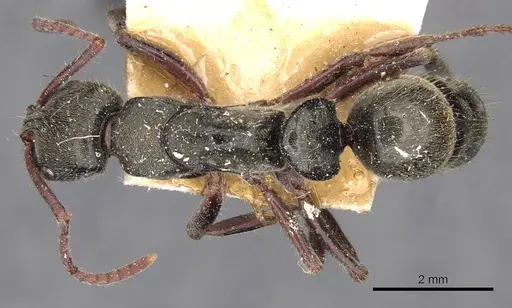
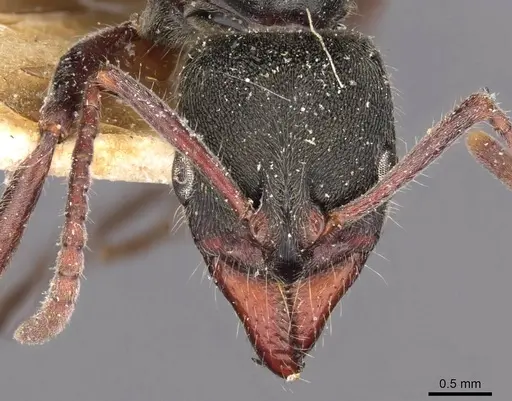
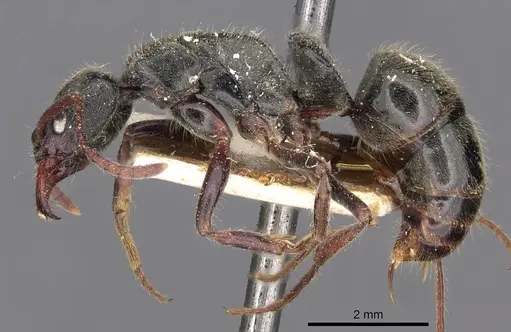
JTLC000015100
AntWeb'de Görüntüle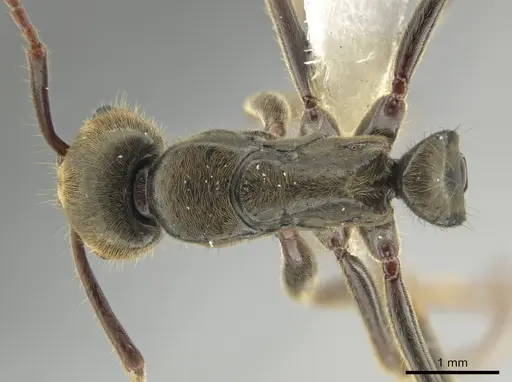
Literatür
Dağılım haritası yükleniyor...Ürünler yükleniyor...