
Neivamyrmex vicinus
- Bilimsel Adı
- Neivamyrmex vicinus
- Alt Familya
- Dorylinae
- Yazar (Tanımlayan)
- Borgmeier, 1953
- Dağılım
- 0 ülkede bulundu
Giriş
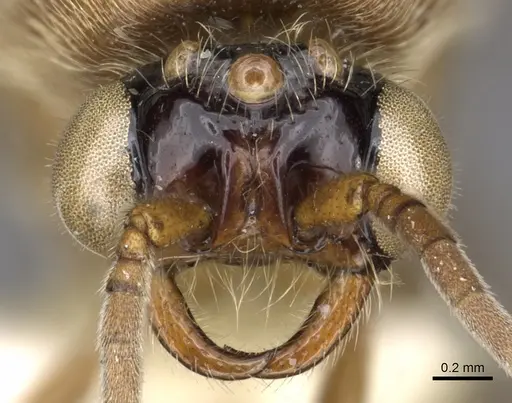
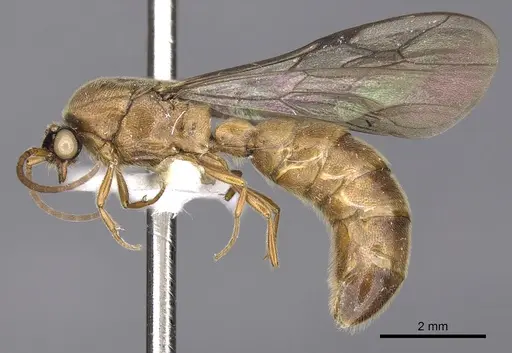
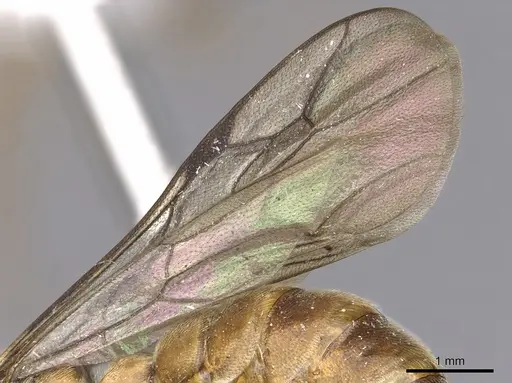
Neivamyrmex vicinus is a Neotropical army ant species described from the Brazilian state of Goiás. Only the male caste has been described in the scientific literature - the workers and queens remain undescribed . This species belongs to the army ant tribe Ecitonini, known for their distinctive nomadic lifestyle and large, mobile colonies that conduct coordinated swarm raids. The genus Neivamyrmex contains around 150 species distributed throughout the Americas, with the highest diversity in Central and South America.
Quick Summary
- Difficulty: Expert
- Origin & Habitat: Neotropical species from Brazil, specifically the Cerrado region of Goiás state. Inhabits tropical savanna and forest edge habitats.
- Colony Type: Unconfirmed, colony structure data is unavailable for this species. Army ant colonies in related species typically contain multiple queens.
- Size & Growth:
- Queen: size data unavailable, no described specimens exist
- Worker: size data unavailable, no described specimens exist
- Colony: Likely tens of thousands of workers based on typical army ant colony sizes
- Growth: Fast, army ant colonies grow rapidly when well-fed
- Development: Unconfirmed, development data unavailable for this species (Army ant development is typically rapid compared to most ant species.)
- Antkeeping:
- Temperature: Keep at 24-28°C, army ants are tropical and require consistent warmth.
- Humidity: Maintain high humidity around 70-80%. Keep the nest area consistently moist but not waterlogged.
- Diapause: No, being a tropical species, they do not require hibernation. Maintain warm temperatures year-round.
- Nesting: In captivity, army ants do best in formicariums with multiple connected chambers that allow for their nomadic behavior. They need space to expand as the colony grows. A naturalistic setup with soil substrate works well.
- Behavior: Army ants are highly active and aggressive predators. They conduct coordinated swarm raids to overwhelm prey items including insects, spiders, and other arthropods. Colonies are nomadic, they periodically relocate to new nesting sites as food sources are depleted. Workers are polymorphic with major and minor castes. They have a potent chemical defense and will readily attack threats. Escape prevention is critical, they will exploit any gap in enclosure barriers.
- Common Issues: colonies can become stressed if unable to conduct raids, they need large outworlds with ample hunting space, escape prevention must be excellent, army ants are persistent and will find any weakness in barriers, without sufficient prey, colonies may decline rapidly, they need constant protein input, moving the nest too often can stress colonies, army ants prefer stability between relocations, high humidity combined with warmth can cause mold issues if not monitored
Understanding Army Ant Biology
Neivamyrmex vicinus belongs to the army ant tribe Ecitonini, a group known for their distinctive nomadic lifestyle. Unlike most ants that establish permanent nests, army ants periodically relocate their entire colony in search of new hunting grounds. This behavior, called nomadism, involves the colony moving to a new bivouac site every few weeks. The colony is always on the move, with workers carrying brood, queens, and each other during migrations. This lifestyle requires enormous colony sizes, typically tens of thousands to over a million workers in mature colonies. The genus Neivamyrmex contains around 150 species distributed throughout the Americas, with the highest diversity in Central and South America. These ants are strictly predatory, with no known instances of tending honeydew-producing insects or collecting seeds.
Housing and Enclosure Setup
Keeping army ants successfully requires significantly more space than typical ant enclosures. You will need a large outworld, think 60cm or larger on each side, with multiple connected formicarium chambers. The setup should allow the colony to expand as it grows and permit periodic relocations within the enclosure. Use a deep substrate layer (at least 10cm) to allow for chamber construction. Ensure all connections between areas are wide enough for the massive worker traffic. Escape prevention is absolutely critical, army ants will exploit any gap, no matter how small. Apply fluon or similar barriers to all edges, and use tight-fitting lids. Provide multiple feeding stations throughout the outworld to ensure all workers can access prey.
Feeding and Nutrition
Army ants are obligate predators and require a constant supply of live prey. They do not collect honeydew or scavenge, they hunt. Offer a variety of arthropods including crickets, mealworms, roaches, spiders, and other insects appropriate to the colony size. For large colonies, you may need to feed multiple times per day. Prey items should be killed before offering if they could escape or harm the ants. Some keepers report success with offering pre-killed insects, but live prey triggers the most vigorous raiding behavior. Remove uneaten prey promptly to prevent mold. The colony's food requirements will scale dramatically as the colony grows, a mature army ant colony may consume hundreds of prey items daily.
Temperature and Humidity Control
As a Neotropical species, Neivamyrmex vicinus requires warm, humid conditions year-round. Maintain temperatures between 24-28°C throughout the enclosure, with a slight gradient allowing the ants to self-regulate. Use a heating cable or mat under one section of the formicarium to achieve this. Humidity should be kept at 70-80%, use a water reservoir in the nest chamber and mist as needed. Monitor for condensation, which indicates adequate humidity, but avoid standing water. In dry conditions, army ants become stressed and may cease foraging. The combination of warmth and humidity also promotes mold growth, so maintain good ventilation and remove uneaten food promptly.
Colony Dynamics and Behavior
Army ant colonies are among the most complex social structures in the ant world. Multiple queens (often dozens) coexist within a single colony in many species, each producing eggs continuously during the nomadic phase. The colony produces different worker castes, major workers for defense and carrying large prey, and minor workers for general tasks. Raids are conducted in swarms, with thousands of workers coordinating to overwhelm prey items that would be impossible for individual ants to tackle. The colony cycles between stationary (statary) and nomadic phases. During statary phases, the queen lays eggs and the colony remains in one bivouac. During nomadic phases, the colony raids extensively and relocates frequently. This dynamic nature is one of the most fascinating aspects of army ant keeping but requires keeper patience and understanding.
Frequently Asked Questions
How long does it take for Neivamyrmex vicinus to produce first workers?
The exact development timeline is unconfirmed for this species. Based on related army ant species, expect several weeks from egg to worker at optimal tropical temperatures (26-28°C). Army ant development is typically faster than most ant species.
Can I keep Neivamyrmex vicinus in a test tube setup?
No. Test tube setups are completely inadequate for army ants. You will need a large formicarium with multiple chambers connected to an expansive outworld. Army ant colonies can reach tens of thousands of workers and need space to conduct their nomadic lifestyle.
How often should I feed my army ant colony?
Feed small amounts daily, or multiple times per day for large colonies. Army ants are constant hunters and need regular prey input. Remove uneaten prey within 24 hours to prevent mold. The feeding frequency will increase dramatically as your colony grows.
Are Neivamyrmex vicinus good for beginners?
No. This species is rated Expert difficulty. Army ants require large enclosures, constant prey input, precise temperature and humidity control, and excellent escape prevention. They are not suitable for beginners or those who cannot commit significant time and space to their care.
Will Neivamyrmex vicinus escape from my formicarium?
Yes, without excellent escape prevention. Army ants are notorious escape artists and will find any gap or weakness in your enclosure. Apply fluon or similar barriers to all edges, check seals regularly, and use tight-fitting lids. Even small gaps will be exploited.
Do army ants need hibernation or diapause?
No. As a Neotropical species from Brazil, Neivamyrmex vicinus does not require hibernation. Maintain warm temperatures (24-28°C) year-round. Cold temperatures will stress the colony and may kill it.
How big do Neivamyrmex vicinus colonies get?
Mature army ant colonies can reach tens of thousands of workers. Some Neivamyrmex species have been documented with colonies exceeding a million workers. Your colony will require increasingly large enclosures as it grows.
Can I keep multiple queens together in one colony?
Many army ant species are naturally polygynous, with multiple queens coexisting in a single colony. This is typical behavior for Neivamyrmex species. Do not attempt to combine unrelated foundress queens, but a naturally polygynous colony will have several reproductive queens.
Why does my army ant colony keep moving?
This is normal army ant behavior. Army ants are nomadic by nature and periodically relocate their bivouac. This occurs more frequently during the nomadic phase of their cycle. Provide multiple suitable locations within the enclosure to allow this natural behavior.
Report an Issue
The current care sheet is based fully on literature. See inconsistencies, or something that's incorrect? Please , it will be resolved after review from an admin. Contributing to the blogs tab also helps providing information, to make us be able to further improve the caresheets. Thank you for your support!
References

Bu bakım rehberi şu lisans altındadır: CC BY-SA 4.0 .
Topluluk Blogları
CASENT0902307
AntWeb'de Görüntüle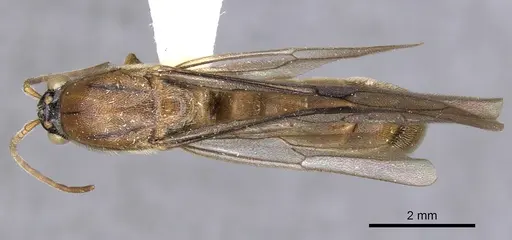
Literatür
Dağılım haritası yükleniyor...Ürünler yükleniyor...