
Neivamyrmex falcifer
- Bilimsel Adı
- Neivamyrmex falcifer
- Alt Familya
- Dorylinae
- Yazar (Tanımlayan)
- Emery, 1900
- Dağılım
- 0 ülkede bulundu
Giriş
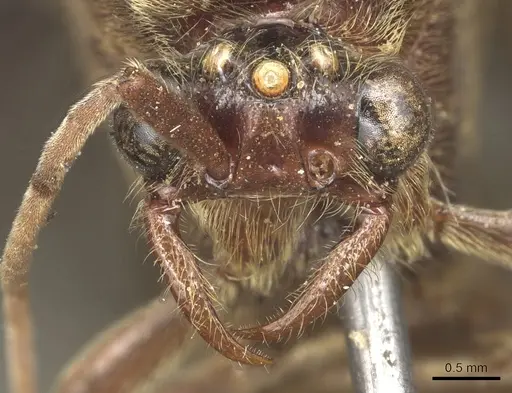
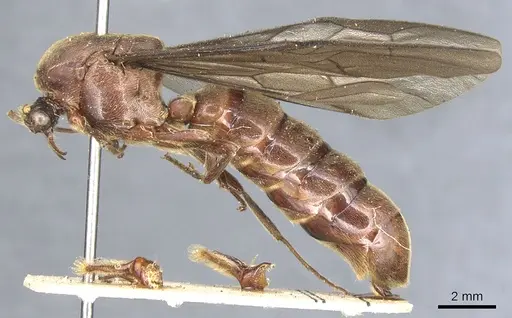
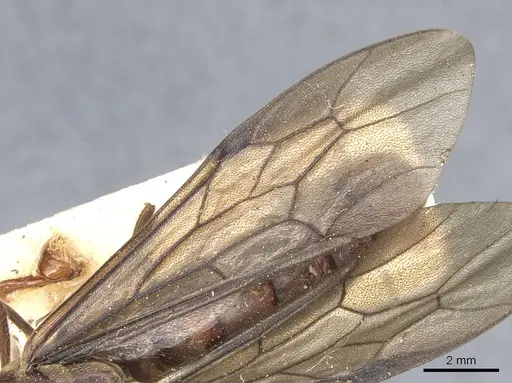
Neivamyrmex falcifer is a Neotropical army ant species found across northern South America, including Bolivia, Brazil, Ecuador, French Guiana, Peru, Suriname, and Colombia's Meta department . As a member of the Dorylinae subfamily, these ants are predatory army ants with the characteristic nomadic lifestyle and raiding behavior typical of the group. Males have distinctive mandibles with the external margin almost straight in the basal half . This species was originally described as Eciton falciferum by Emery in 1900 before being reclassified to Neivamyrmex. The colony size, detailed behavior, and complete caste description remain poorly documented in scientific literature.
Quick Summary
- Difficulty: Expert
- Origin & Habitat: Neotropical region of northern South America, found in Bolivia, Brazil, Ecuador, French Guiana, Peru, Suriname, and Colombia (Meta department). Inhabits tropical rainforest environments in the Amazon Basin [3][4].
- Colony Type: Colony structure is unconfirmed. As a Neivamyrmex species, likely forms large colonies typical of army ants.
- Size & Growth:
- Queen: Size data unavailable for this species, Neivamyrmex queens are typically large but no specific measurements exist in research
- Worker: Size data unavailable for this species, typical Neivamyrmex workers vary but no measurements exist for N. falcifer
- Colony: Unconfirmed, likely large based on typical army ant colony patterns
- Growth: Unknown
- Development: Unconfirmed, development timeline has not been studied for this specific species (No species-specific development data available)
- Antkeeping:
- Temperature: Keep warm, maintain temperatures in the low-to-mid 20s°C range. Avoid cold drafts and air conditioning
- Humidity: Provide moisture, keep nest substrate damp but not waterlogged. Army ants are sensitive to desiccation
- Diapause: No, as a Neotropical species from tropical rainforests, they do not require hibernation. Keep at warm temperatures year-round
- Nesting: Use a naturalistic setup with deep substrate for tunneling. Army ants often form bivouacs (temporary nests from their own bodies) rather than using artificial chambers. Y-tong or plaster nests with multiple chambers can work but be prepared for bivouac formation
- Behavior: Army ant behavior includes nomadic lifestyle with regular colony emigrations, raiding swarms to overwhelm prey colonies, and predatory attacks on other ant colonies and invertebrates. Workers are aggressive when defending the colony and will readily attack threats. They have a potent sting. Escape prevention is critical, they are excellent climbers and will exploit any gap.
- Common Issues: colonies may refuse to settle in artificial nests and prefer to form bivouacs, predatory nature means they need constant access to live prey, failure to feed adequately leads to colony decline, high humidity requirements can lead to mold problems if ventilation is poor, escape prevention must be excellent, army ants are persistent escape artists, limited species-specific information means keepers must rely on genus-level care patterns
Species Overview and Natural History
Neivamyrmex falcifer is a Neotropical army ant distributed across the Amazon Basin region of northern South America. The species was originally described by Carlo Emery in 1900 from a male specimen collected in Bolivia and was later transferred from the genus Eciton to Neivamyrmex. The current known distribution includes Bolivia, Brazil, Ecuador, French Guiana, Peru, Suriname, and Colombia's Meta department [1][2]. This represents a typical Neotropical distribution pattern for army ant species, spanning multiple countries in the Amazonian region. The first recorded occurrence in the Brazilian state of Pará (Jacareacanga) was documented in 2021,expanding the known range within Brazil [3]. As a member of the Dorylinae subfamily, this species shares the characteristic army ant lifestyle including nomadic colony movements, raiding behavior, and predatory feeding on other ant colonies and invertebrates.
Housing and Nest Setup
Housing Neivamyrmex falcifer requires understanding their natural history as army ants. In captivity, they typically prefer to form bivouacs (temporary nests constructed from interlocking worker bodies) rather than occupying artificial chambers. A naturalistic setup with deep substrate (at least 5-10cm) allows for tunneling behavior. Alternatively, a Y-tong or plaster nest with multiple connected chambers can work, but be prepared for the colony to potentially abandon artificial nests in favor of creating their own bivouac structure. The outworld should be spacious enough to accommodate raiding parties and foraging activity. Use a water reservoir to maintain humidity, army ants are sensitive to desiccation. Lighting should be minimal, these ants prefer dark conditions.
Feeding and Nutrition
As predatory army ants, Neivamyrmex falcifer requires a diet based primarily on live prey. They are raiders that overwhelm other ant colonies and consume the brood and adults. In captivity, offer live insects such as mealworms, crickets, fruit flies, and other small invertebrates. They will also scavenge on dead insects but prefer active prey. Feed generously, army ant colonies consume large quantities of protein sources. Some colonies may accept protein jelly or frozen insects, but live prey should form the foundation of their diet. Feed every 1-2 days, adjusting based on colony size and consumption rate. Remove uneaten prey after 24-48 hours to prevent mold.
Temperature and Humidity Requirements
Neivamyrmex falcifer originates from tropical rainforests and requires warm, humid conditions. Maintain temperatures in the low-to-mid 20s°C range, this is above typical room temperature and may require heating in cooler environments. A heating cable placed on one side of the nest creates a thermal gradient the colony can use to regulate their position. Humidity should be moderate to high, use a water reservoir connected to the nest and mist the outworld regularly. The substrate should remain consistently moist but never waterlogged. Poor humidity leads to desiccation and colony loss. Avoid placing the setup near air conditioning vents or in rooms with temperature fluctuations.
Colony Behavior and Activity
Army ants are famous for their nomadic lifestyle and coordinated raiding behavior. Colonies regularly emigrate to new locations, with workers carrying brood and the queen in a coordinated swarm. Raiding parties form columns that can extend significant distances from the bivouac, overwhelming prey colonies through sheer numbers. Workers are aggressive when defending the colony and will readily sting perceived threats. The queen is permanently winged and remains with the colony during emigrations. In captivity, observing these behaviors requires providing adequate space and appropriate conditions.
Challenges and Common Issues
Keeping Neivamyrmex falcifer presents several challenges. The most significant is the lack of species-specific biological data, much of what we know comes from generalizing about other Neivamyrmex species and army ant biology. Colonies may refuse to settle in artificial nests, preferring to form bivouacs that can be difficult to contain. Their predatory nature demands a constant supply of live prey, which can be logistically demanding. Escape prevention is critical, army ants are excellent climbers and will find any gap in containment. High humidity requirements can lead to mold growth if ventilation is inadequate.
Frequently Asked Questions
How long does it take for Neivamyrmex falcifer to produce first workers?
The egg-to-worker timeline is unconfirmed for this specific species. Development has not been studied and there is no reliable data available.
What do Neivamyrmex falcifer ants eat?
They are predatory army ants that require live prey. Feed live insects such as mealworms, crickets, fruit flies, and other small invertebrates. They will scavenge on dead insects but prefer active prey. Provide a constant supply of protein-rich food.
Do Neivamyrmex falcifer ants sting?
Yes, army ants have potent stings for defense. While pain level varies by species and individual reaction, they will sting when the colony is threatened. Handle with caution and use excellent escape prevention to avoid accidental contact.
Can I keep Neivamyrmex falcifer in a test tube?
Test tubes are not suitable for this species. Army ants prefer to form bivouacs and have nomadic behavior. Use a naturalistic setup with deep substrate or a multi-chamber Y-tong/plaster nest. Be prepared for the colony to potentially create their own bivouac structure.
Are Neivamyrmex falcifer good for beginners?
No, this species is rated Expert difficulty. They require specific conditions (high humidity, warm temperatures), constant access to live prey, and present containment challenges. They also have limited documented care information, requiring keepers to rely on genus-level patterns.
Do Neivamyrmex falcifer need hibernation?
No, as a Neotropical species from tropical rainforests, they do not require hibernation. Keep them warm year-round without temperature drops. Simulating seasonal changes is not necessary and could harm the colony.
How big do Neivamyrmex falcifer colonies get?
Colony size is unconfirmed for this specific species. Army ant colonies can reach thousands of workers in some species, but there is no specific data for N. falcifer.
Why is my Neivamyrmex falcifer colony dying?
Common causes include: low humidity (desiccation), temperatures below optimal range, insufficient live prey, poor escape prevention, and mold from inadequate ventilation. Review all care parameters and ensure the colony has adequate protein sources and proper humidity levels.
When should I move my colony to a formicarium?
Army ants often prefer naturalistic setups with deep substrate over traditional formicaria. Consider a naturalistic terrarium-style setup from the start rather than moving from a test tube. If using a formicarium, choose one with multiple chambers and ensure it can accommodate bivouac formation.
Can I keep multiple queens together in one colony?
The colony structure for this species is unconfirmed. While some army ants have single-queen colonies and others have multiple queens, there is no specific data for N. falcifer. Do not attempt combining unrelated queens without documented evidence that this species tolerates polygyny.
Report an Issue
The current care sheet is based fully on literature. See inconsistencies, or something that's incorrect? Please , it will be resolved after review from an admin. Contributing to the blogs tab also helps providing information, to make us be able to further improve the caresheets. Thank you for your support!
References

Bu bakım rehberi şu lisans altındadır: CC BY-SA 4.0 .
Topluluk Blogları
CASENT0903742
AntWeb'de Görüntüle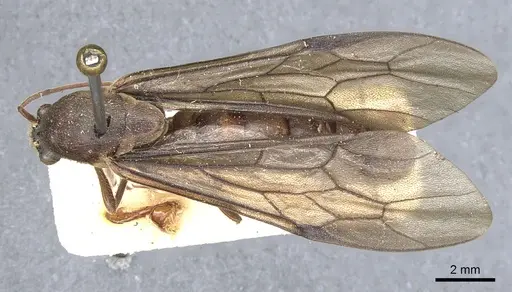
Literatür
Dağılım haritası yükleniyor...Ürünler yükleniyor...