
Myrmica schoedli
- Bilimsel Adı
- Myrmica schoedli
- Oymak (Tribe)
- Myrmicini
- Alt Familya
- Myrmicinae
- Yazar (Tanımlayan)
- Radchenko <i>et al.</i>, 2006
- Dağılım
- 0 ülkede bulundu
Giriş
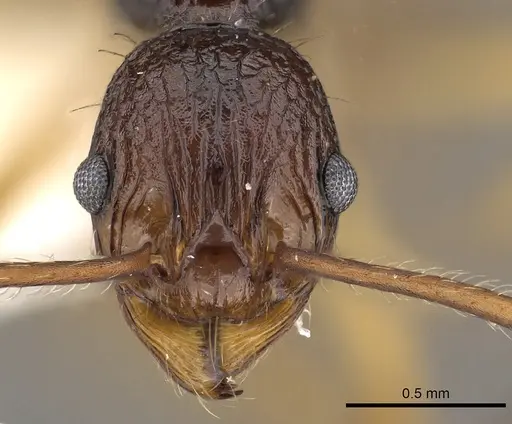
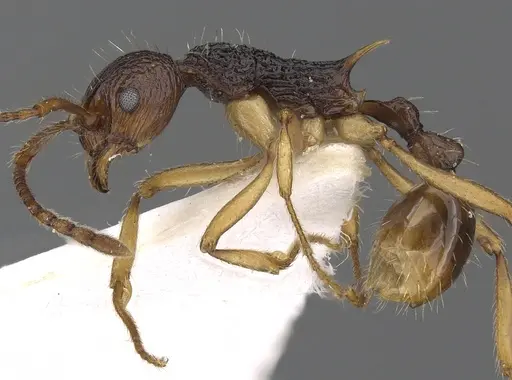
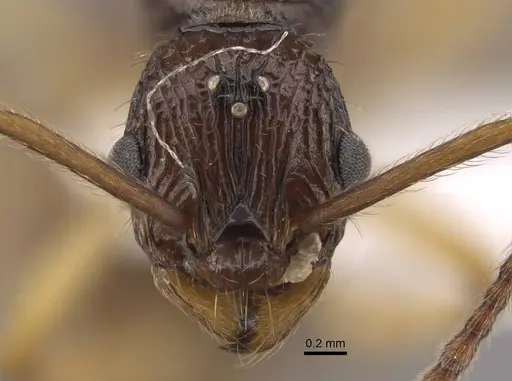
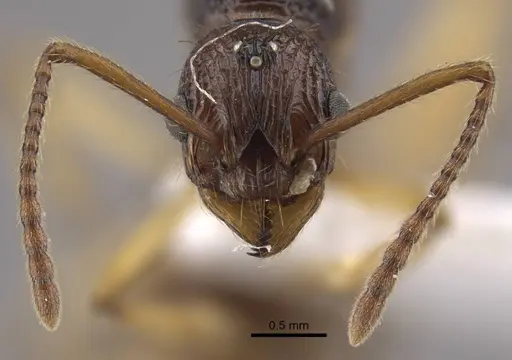
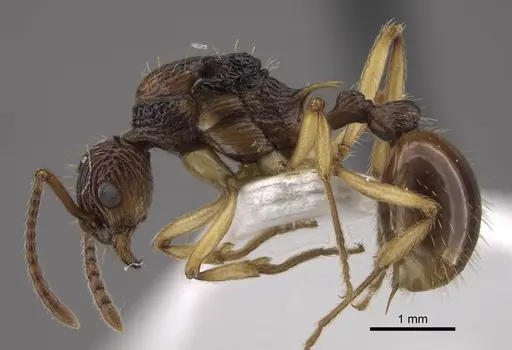
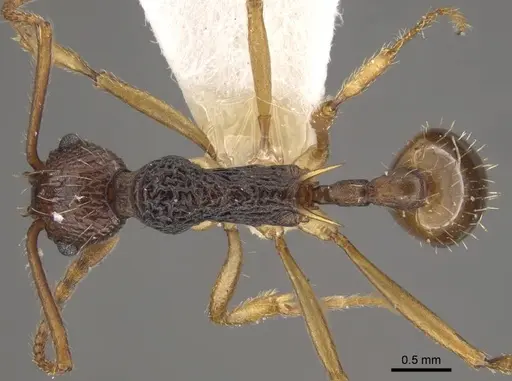
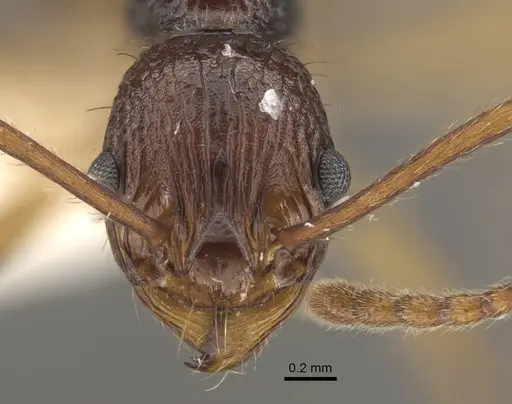
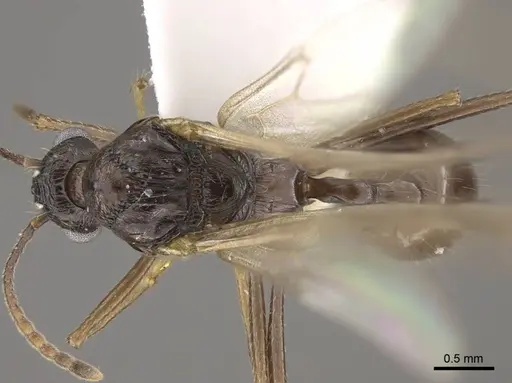
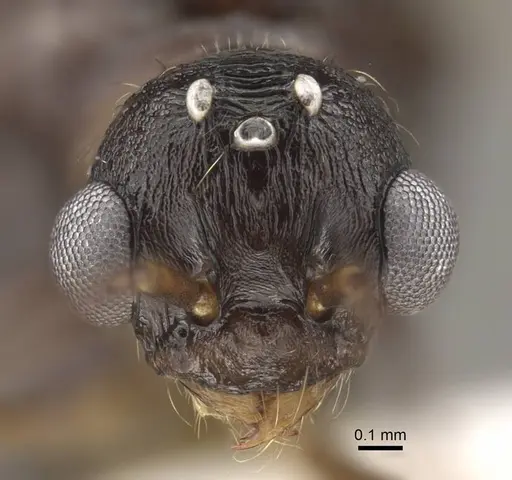
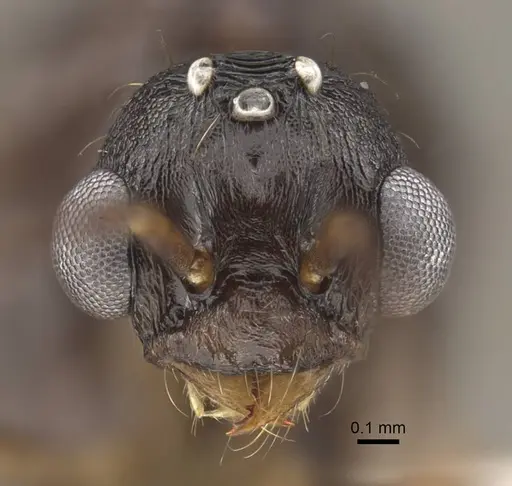
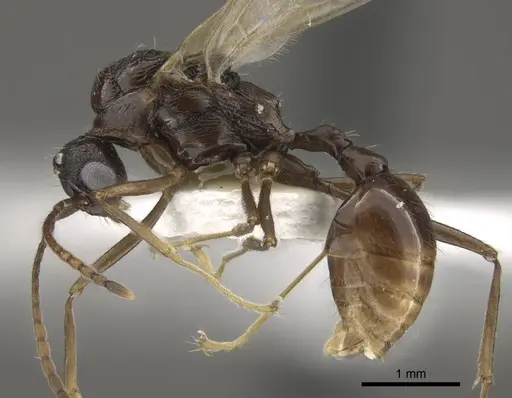
Myrmica schoedli is a small ant species native to the mountains of northern Vietnam. Workers feature one of the most distinctive characteristics in the entire Myrmica genus: an extremely long antennal scape that is the longest recorded among all known Myrmica species . Their body is reddish-brown with a darker head, and they have notably long propodeal spines. This species belongs to the M. ritae species group and the newly established M. draco complex, which also includes Myrmica draco and Myrmica yamanei. They were only described in 2006,making them a relatively recent discovery . What makes M. schoedli particularly interesting is their specialized high-altitude habitat. Unlike many common Myrmica species that tolerate a wide range of conditions, this species comes from cool, humid secondary forests at elevations around 2000-2200m, nesting under vegetation on rocks near streams . Their extremely long antennae give them a distinctive appearance that advanced antkeepers find appealing.
Quick Summary
- Difficulty: Medium
- Origin & Habitat: Northern Vietnam, specifically Sa Pa district in Lao Cai province. Found in well-developed secondary forest at altitudes between 2000-2200m. Nests are located under vegetation on rocks, by the side of streams [1][2][3].
- Colony Type: Colony structure is unconfirmed. Based on typical Myrmica patterns, likely single-queen (monogyne) colonies. No data on ergatoid replacement reproductives for this species.
- Size & Growth:
- Queen: Approximately 7-9mm total length, inferred from Myrmica genus patterns (queens measured: head 1.30mm, alitrunk 2.46mm) [1].
- Worker: Approximately 4-6mm total length, inferred from Myrmica genus patterns (workers measured: head 1.08-1.24mm) [1].
- Colony: Unknown, no colony size data exists for this species.
- Growth: Unknown, no development timing data exists for this species.
- Development: Unconfirmed. Based on typical Myrmica patterns, estimate 6-10 weeks at optimal temperature. (No species-specific development studies exist. Related Myrmica species typically take 6-10 weeks from egg to worker at room temperature.)
- Antkeeping:
- Temperature: Keep cool compared to tropical species. Based on their high-altitude Vietnamese habitat (2000-2200m), aim for 18-22°C. Avoid overheating, temperatures above 25°C may be stressful. Signal: inferred from altitude and habitat.
- Humidity: High humidity required. Their natural habitat near streams in secondary forest suggests 60-80% relative humidity with consistently moist substrate. Keep the nest substrate damp but not waterlogged. Provide a water tube for drinking water. Signal: inferred from stream-side habitat.
- Diapause: Likely yes. Most Myrmica species from temperate and subtropical mountain regions require a winter rest period. Based on their high-altitude origin, expect 3-4 months at 5-10°C during winter. Signal: inferred from genus patterns and altitude.
- Nesting: In nature they nest under rocks near streams in humid forest environments. In captivity, a Y-tong or plaster nest works well. They prefer tight, humid chambers. Avoid dry conditions. Signal: inferred from natural nesting behavior.
- Behavior: Myrmica schoedli is a relatively calm species with typical Myrmica defensive behavior, they can sting but are not overly aggressive. Workers are active foragers, likely hunting small invertebrates in captivity. They have typical Myrmica communication including alarm pheromones and tandem running. Escape risk is moderate due to their small size, use standard mesh barriers. Signal: inferred from genus behavior patterns.
- Common Issues: high altitude origin means they overheat easily, keep temperatures below 25°C, humidity requirements are critical, dry conditions will kill colonies, no captive breeding data exists, wild-caught colonies may have parasites, slow growth compared to tropical species requires patience, hibernation is likely required and must be done properly
Nest Preferences and Housing
In their natural habitat, M. schoedli nests under vegetation on rocks, positioned near streams in humid secondary forest at high altitude [1]. This tells us they need consistently moist conditions with good humidity retention. For captive care, a Y-tong or plaster nest works well, both hold humidity effectively. The chambers should be appropriately sized for their small worker size. A naturalistic setup with moist soil and flat stones can also work, mimicking their natural rock-edge nesting. Always provide a water tube connected to the nest, they will drink directly from it. Avoid dry environments entirely, this species is not tolerant of desiccation. Keep the nest area away from direct sunlight and heating elements that could cause drying.
Feeding and Diet
Myrmica species are generalist predators and scavengers. In captivity, offer protein sources like small insects (fruit flies, small mealworms, crickets) and sugar sources (sugar water, honey, diluted maple syrup). Based on typical Myrmica behavior, they likely accept both live and dead prey. Feed protein 2-3 times per week, and keep a constant sugar water source available. Remove uneaten prey after 24-48 hours to prevent mold. Since no specific feeding studies exist for this species, start with standard Myrmica offerings and adjust based on colony acceptance. Their small worker size means prey items should be appropriately sized.
Temperature and Seasonal Care
This is perhaps the most critical aspect of M. schoedli care. Coming from 2000-2200m altitude in northern Vietnam, they are adapted to cool, stable conditions. Keep the nest at 18-22°C, this is cooler than most ant species and reflects their mountain origin. Temperatures above 25°C are likely stressful and may cause colony decline. During summer months, ensure they are not near heat sources. In winter, based on typical Myrmica patterns from similar latitudes and altitudes, they likely require a hibernation period of 3-4 months at 5-10°C. This can be provided by moving the colony to a cool basement, refrigerator (with proper setup), or insulated shed. Do not skip hibernation, it is likely essential for colony health and reproduction. [1]
Colony Establishment and Growth
Since M. schoedli was only described in 2006 and has a limited distribution, captive colonies are extremely rare. Most keepers will start with a wild-caught queen during nuptial flights or an established colony if available. Based on typical Myrmica patterns, founding is likely claustral, the queen seals herself in a chamber and raises the first brood alone on stored fat reserves. The first workers (nanitics) will be smaller than mature workers. Growth is expected to be slow compared to tropical species, expect several months to a year before seeing significant colony growth. Patience is essential with this species. No specific data exists on colony size limits. [1]
Behavior and Handling
Myrmica schoedli has typical Myrmica temperament, they are not aggressive but will defend the nest if threatened. Workers are moderately active and will forage for food throughout the nest area. They communicate using chemical pheromones and may use tandem running (one worker leads another to food) which is common in the genus. They possess a stinger and can deliver a mild sting if handled roughly, though their small size limits the effectiveness. For escape prevention, use standard ant keeping barriers, while not the smallest ants, they can still fit through small gaps. A tight-fitting lid on the outworld and barrier tape on the edges should prevent escapes. They are not known for particularly aggressive behavior toward keepers.
Frequently Asked Questions
How long does it take for Myrmica schoedli to produce first workers?
The exact timeline is unconfirmed, but based on typical Myrmica genus patterns, expect 6-10 weeks from egg to first worker at optimal temperature (around 20°C). The queen will seal herself in during founding and raise the first brood alone. This is a slow process compared to many tropical species, patience is essential.
What temperature should I keep Myrmica schoedli at?
Keep them cool, aim for 18-22°C. This species comes from high-altitude Vietnam (2000-2200m) and is adapted to cool, stable conditions. Temperatures above 25°C are likely harmful. Avoid placing the nest near heaters, windows with direct sunlight, or other heat sources.
Do Myrmica schoedli ants need hibernation?
Likely yes. Based on their high-altitude origin in northern Vietnam and typical Myrmica patterns, they probably require a winter rest period of 3-4 months at 5-10°C. Provide hibernation by moving the colony to a cool location (basement, properly set up refrigerator, or insulated shed) during winter months.
What do Myrmica schoedli ants eat?
Like most Myrmica species, they are generalist predators. Offer small insects (fruit flies, small mealworms, pinhead crickets) as protein 2-3 times per week. Also provide constant access to sugar sources like sugar water, honey, or diluted maple syrup. Remove uneaten prey after 24-48 hours to prevent mold.
Are Myrmica schoedli ants good for beginners?
No, this is not a beginner species. They have very specific requirements (cool temperatures, high humidity, likely hibernation) and very limited availability. Additionally, no captive breeding data exists, so most colonies are wild-caught. They require more advanced care than common species like Myrmica rubra.
How big do Myrmica schoedli colonies get?
The maximum colony size is unknown, no scientific data exists for this species. Based on related Myrmica species, colonies likely reach several hundred workers over several years.
Can I keep multiple Myrmica schoedli queens together?
This is unconfirmed. Most Myrmica species are monogyne (single queen), but colony structure has not been specifically studied for M. schoedli. Do not attempt to combine unrelated queens, there is no data on whether they accept multiple queens like some facultatively polygyne species.
Do Myrmica schoedli ants sting?
Yes, they can sting. Like all Myrmica species, they possess a stinger and may use it defensively. However, due to their very small size, the sting is typically not noticeable to humans. They are not considered dangerous.
What humidity level do Myrmica schoedli ants need?
High humidity, aim for 60-80% relative humidity. Their natural habitat near streams in humid forest suggests they need consistently moist conditions. Keep the nest substrate damp but not waterlogged. A water tube should be provided for drinking water.
When can I move Myrmica schoedli to a formicarium?
Wait until the colony has at least 20-30 workers before moving to a formicarium. The founding queen should remain in her founding setup until the first workers have fully matured. Moving too early can stress the colony. A Y-tong or plaster nest works well for this species due to their humidity requirements.
Report an Issue
The current care sheet is based fully on literature. See inconsistencies, or something that's incorrect? Please , it will be resolved after review from an admin. Contributing to the blogs tab also helps providing information, to make us be able to further improve the caresheets. Thank you for your support!
References

Bu bakım rehberi şu lisans altındadır: CC BY-SA 4.0 .
Topluluk Blogları
CASENT0900341
AntWeb'de Görüntüle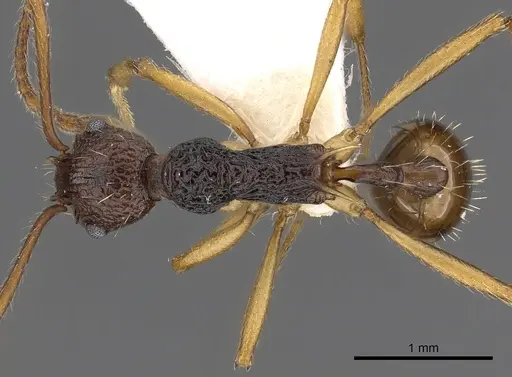
CASENT0917664
AntWeb'de Görüntüle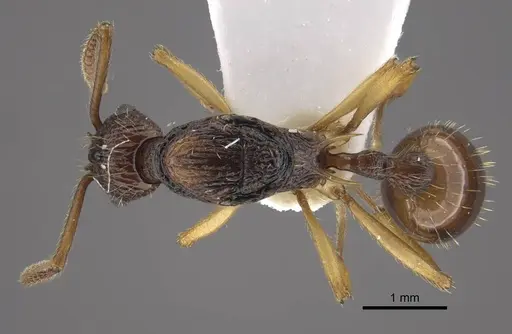
CASENT0917735
AntWeb'de Görüntüle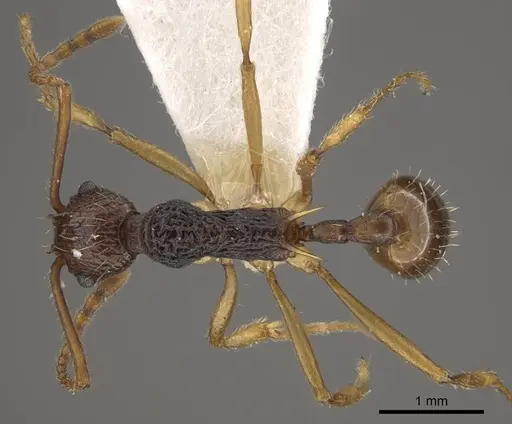
CASENT0917736
AntWeb'de Görüntüle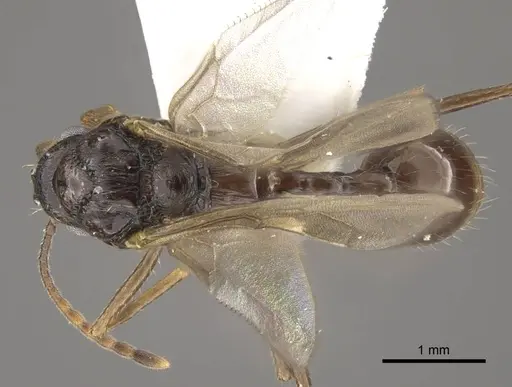
Literatür
Dağılım haritası yükleniyor...Ürünler yükleniyor...