
Myrmica hecate
- Bilimsel Adı
- Myrmica hecate
- Oymak (Tribe)
- Myrmicini
- Alt Familya
- Myrmicinae
- Yazar (Tanımlayan)
- Weber, 1947
- Dağılım
- 0 ülkede bulundu
Giriş
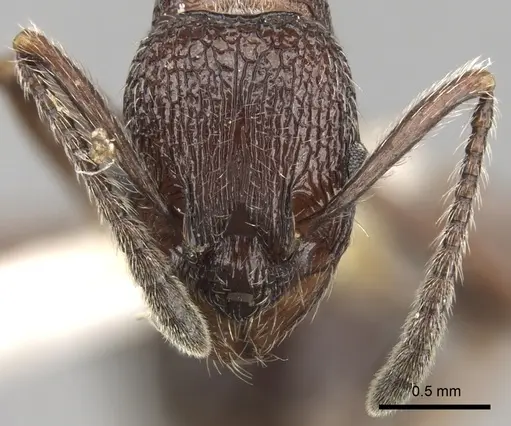
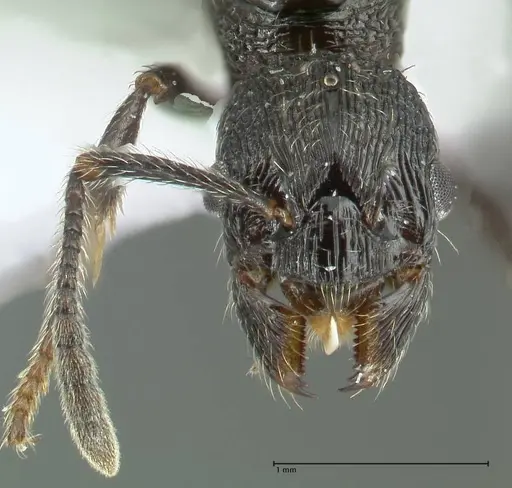
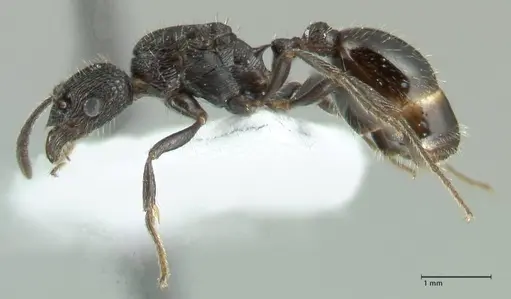
Myrmica hecate is a medium-sized ant species belonging to the Myrmica rugosa species group, native to the Himalayan region of India and Nepal. Workers have distinctive multidentate mandibles with more than 10 small teeth - a key identification feature that separates them from similar species like Myrmica aimonissabaudiae. This species thrives at high elevations between 1300-3700 meters, making it one of the more cold-tolerant Myrmica species suitable for antkeeping. The species was named after Hecate, the Greek goddess of sorcery and witchcraft.
Quick Summary
- Difficulty: Medium
- Origin & Habitat: Himalayan region of India and Nepal, found at altitudes between 1300-3700 meters above sea level. Nests are located under stones in grasslands and in soil covered with sparse to dense vegetation [1].
- Colony Type: Large colonies can contain more than 200 workers [1]. Colony structure is unconfirmed, typical Myrmica patterns suggest single-queen colonies, but this has not been specifically documented for this species.
- Size & Growth:
- Queen: ~7-9mm, inferred from Myrmica genus patterns
- Worker: ~4-6mm, inferred from Myrmica genus patterns
- Colony: Over 200 workers in large colonies [1]
- Growth: Moderate
- Development: 6-10 weeks (estimated based on larval development data [2]) (Larvae go through three instars. Pupae are exarate (free-moving) with no cocoon, approximately 6mm long [2].)
- Antkeeping:
- Temperature: Keep nest area at 24-28°C, matching their natural nest conditions of 24.4-28°C [1]. A temperature gradient allowing cooler areas around 20-22°C is beneficial.
- Humidity: Maintain moderate to high humidity,45-90% as recorded in natural nests [1]. Provide a moist substrate but allow some drier areas for workers to regulate their own humidity preferences.
- Diapause: Yes, being a high-altitude Himalayan species, colonies require a winter dormancy period. Reduce temperature to around 5-10°C for 3-4 months during winter.
- Nesting: Natural nesting sites are under stones in grasslands and in soil. In captivity, a Y-tong (AAC) nest or plaster formicarium with soil substrate works well. Provide a layer of damp soil or sand that can hold moisture while allowing some drying.
- Behavior: Myrmica hecate is a typical Myrmica species, moderately aggressive when disturbed, with workers readily attacking threats. They are active foragers that hunt small invertebrates and collect honeydew from aphids. Workers use chemical alarm signals and can form recruitment trails to food sources. They possess a functional stinger capable of penetrating human skin, causing a mild burning sensation.
- Common Issues: high-altitude origin means they require winter diapause, colonies that aren't cooled properly may fail to thrive or have shortened lifespans, humidity fluctuations can stress colonies, sudden drying or waterlogging both cause problems, slow colony growth compared to tropical species may frustrate beginners expecting rapid expansion, wild-caught colonies from the Himalayas may carry parasites or not adapt well to captivity, test tube setups must be monitored for mold in the humid conditions these ants prefer
Housing and Nest Setup
Myrmica hecate does well in a variety of captive setups. A Y-tong (AAC) nest with a soil chamber works excellently since it mimics their natural nesting under stones in soil. The chamber should contain damp soil or sand that holds moisture without becoming waterlogged. Plaster formicariums with a water chamber for humidity control are also suitable. For the outworld (foraging area), a standard plastic container works fine, these ants aren't extreme escape artists, but a tight-fitting lid is still important. Many keepers use a test tube setup for the founding queen, then transfer to a larger nest once the colony reaches 20-30 workers. The key is providing a nest chamber that stays consistently moist while the foragers have access to a dry foraging area. [1]
Feeding and Diet
Myrmica hecate is an omnivorous generalist, like most Myrmica species. In captivity, they readily accept protein sources such as small insects (fruit flies, pinhead crickets, mealworms), and they'll also collect sugar water, honey, or maple syrup. In the wild, they forage for honeydew from aphids and hunt small invertebrates. Feed them small prey items 2-3 times per week, and keep a constant supply of sugar water or honey available. Remove uneaten prey after 24 hours to prevent mold.
Temperature and Seasonal Care
These ants come from the cool Himalayan highlands, so temperature management is important. Keep the nest area at 24-28°C during the active season [1]. During summer, room temperature is often sufficient, but you may need a heating cable on one side of the nest during cooler months. Most importantly, Myrmica hecate requires a winter dormancy period. In autumn, gradually reduce the temperature to around 5-10°C and maintain this for 3-4 months. This mimics their natural high-altitude conditions where temperatures drop significantly in winter. Failure to provide adequate dormancy can weaken colonies and reduce queen longevity.
Colony Development and Growth
Myrmica hecate colonies grow at a moderate pace typical of the genus. The queen seals herself in a chamber and raises the first brood alone, living off her stored fat reserves until the nanitic (first) workers emerge. Development from egg to worker takes approximately 6-10 weeks under optimal conditions [2]. The larvae go through three instars, with first instars at 2.24-2.30mm, second at 3.36-3.42mm, and third at 4.46-4.52mm [2]. Pupae are exarate (free-moving) and lack cocoons, which is typical for Myrmica. Large colonies can exceed 200 workers [1]. Growth is slower than many tropical ants, be patient and don't disturb the queen during the founding phase.
Behavior and Temperament
This species shows typical Myrmica behavior: workers are moderately aggressive and will readily sting when the nest is disturbed. The sting is functional and can penetrate human skin, causing a mild burning sensation, not dangerous, but noticeable. Workers are active foragers and will establish recruitment trails to food sources. They communicate through chemical signals and can form temporary colonies under stones in the wild. In captivity, they're generally calm when not threatened but become agitated when their nest is opened. Provide enrichment like small stones or debris in the outworld to satisfy their natural foraging instincts. [1]
Frequently Asked Questions
How long does it take for Myrmica hecate to produce first workers?
Expect first workers (nanitics) to emerge around 6-10 weeks after the queen lays her first eggs, assuming temperatures around 24-28°C. This is typical for Myrmica species, the exact timing depends on temperature and feeding.
Do Myrmica hecate ants need hibernation?
Yes, absolutely. As a high-altitude Himalayan species, they require a winter dormancy period. Reduce temperatures to 5-10°C for 3-4 months during winter. This is essential for colony health and queen longevity.
What temperature should I keep Myrmica hecate at?
Keep the nest area at 24-28°C during the active season, matching their natural nest temperature [1]. A slight gradient allowing cooler areas around 20-22°C is beneficial. Room temperature is often adequate in summer, but you may need supplemental heating in winter.
How big do Myrmica hecate colonies get?
Large colonies can contain more than 200 workers [1]. This is moderate for Myrmica species, not among the largest but capable of forming substantial colonies over several years.
What do Myrmica hecate ants eat?
They're omnivorous. Feed small insects (fruit flies, pinhead crickets, mealworms) 2-3 times per week, and provide constant access to sugar water, honey, or maple syrup. Remove uneaten prey after 24 hours.
Are Myrmica hecate ants good for beginners?
They are intermediate in difficulty. The main challenges are providing proper winter diapause and maintaining consistent humidity. If you're prepared to manage their seasonal temperature requirements, they're manageable for beginners who have kept simpler species first.
Do Myrmica hecate ants sting?
Yes, they have a functional stinger that can penetrate human skin. The sting causes a mild burning sensation, not dangerous but noticeable. They're not overly aggressive but will defend their nest if threatened.
When do Myrmica hecate alates appear?
In the wild, alates (reproductive ants) occasionally appear as late as September in the Northeast Himalaya [1]. In captivity, nuptial flights typically occur in late summer or early fall, after which winged queens and males leave the nest.
Can I keep multiple Myrmica hecate queens together?
Not recommended. Myrmica hecate is typically single-queen based on typical Myrmica patterns. These queens will likely fight. Only keep one queen per colony unless you're attempting pleometrosis (multiple founding queens) with close monitoring.
What humidity do Myrmica hecate ants need?
Maintain moderate to high humidity,45-90% as recorded in their natural nests [1]. The substrate should be consistently moist but not waterlogged. Allow some drier areas in the nest so workers can self-regulate.
Report an Issue
The current care sheet is based fully on literature. See inconsistencies, or something that's incorrect? Please , it will be resolved after review from an admin. Contributing to the blogs tab also helps providing information, to make us be able to further improve the caresheets. Thank you for your support!
References

Bu bakım rehberi şu lisans altındadır: CC BY-SA 4.0 .
Topluluk Blogları
CASENT0280837
AntWeb'de Görüntüle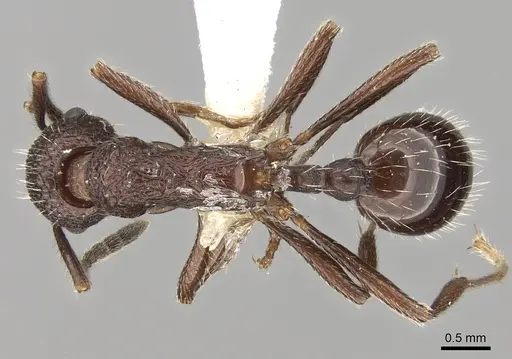
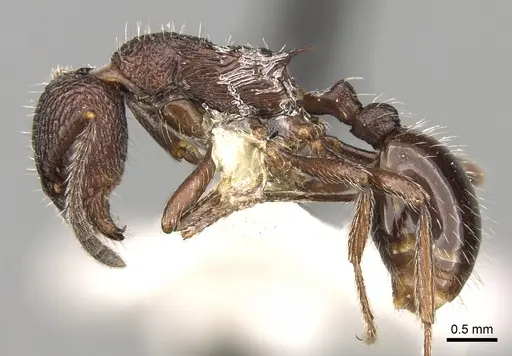
FOCOL1821
AntWeb'de Görüntüle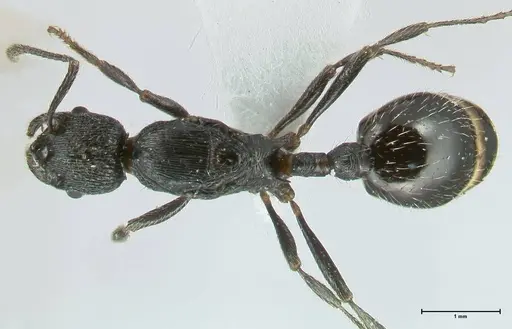
Literatür
Dağılım haritası yükleniyor...Ürünler yükleniyor...