
Myrmelachista ulei
- Bilimsel Adı
- Myrmelachista ulei
- Oymak (Tribe)
- Myrmelachistini
- Alt Familya
- Formicinae
- Yazar (Tanımlayan)
- Forel, 1904
- Dağılım
- 0 ülkede bulundu
Giriş
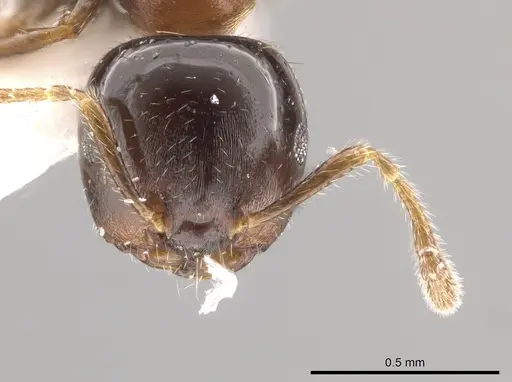
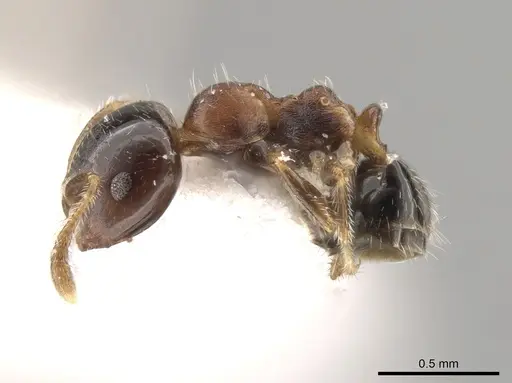
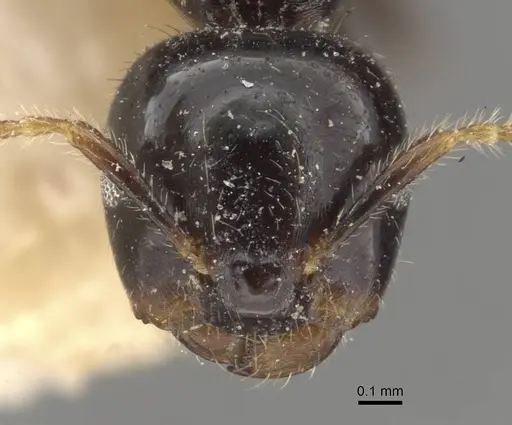
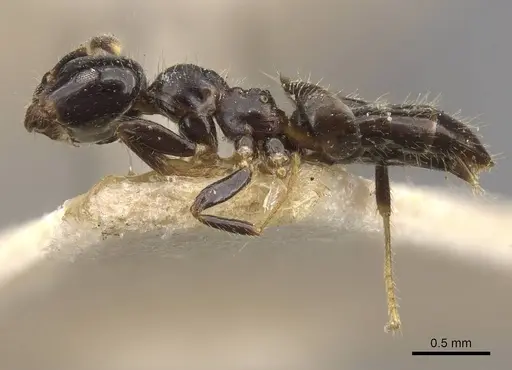
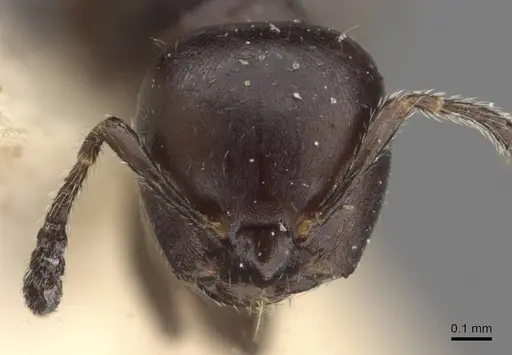
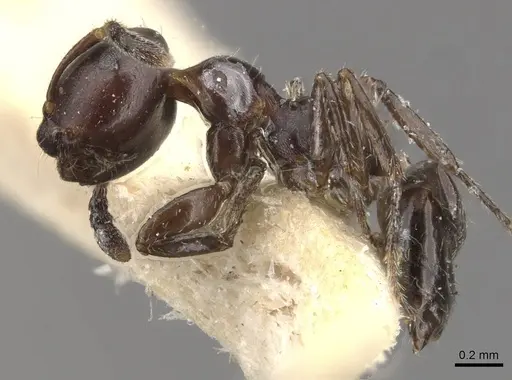
Myrmelachista ulei is a small Neotropical ant species native to Peru and Brazil. Workers are tiny and relatively slender, typical of the genus Myrmelachista. This species has a unique ecological connection - it was originally discovered living within the swelling (gall) of a flowerstalk of a Melastomaceous plant (Pterocladon sprucei) at 1200m elevation in Peru, indicating a plant-ant association . The genus Myrmelachista belongs to the Formicinae subfamily and is known for its often arboreal or plant-dwelling habits. Despite being described in 1904,this species remains poorly studied with virtually no published information on its biology, colony structure, or specific care requirements in captivity.
Quick Summary
- Difficulty: Unknown
- Origin & Habitat: Found in the Neotropical region, specifically Peru (type locality at Cerro de Escaler,1200m elevation) and Brazil [2][1]. Original specimens were collected from a plant gall (swelling of a flowerstalk) in Peru, indicating an association with vegetation and potentially humid forest understories.
- Colony Type: Unconfirmed, colony structure has not been documented in scientific literature.
- Size & Growth:
- Queen: Size data unavailable, no specific measurements published [1]
- Worker: Size data unavailable, no specific measurements published [1]
- Colony: Unknown, no colony size data available
- Growth: Unknown
- Development: Unknown, no development data published for this species (No direct observations of founding or colony development have been documented.)
- Antkeeping:
- Temperature: Based on its Neotropical origin and 1200m elevation in Peru, may need warm conditions in the low-to-mid 20s°C range. Provide a temperature gradient and monitor colony activity.
- Humidity: May require moderate to high humidity given its plant-gall association. Keep nest substrate consistently moist but not waterlogged.
- Diapause: Unknown, no research on seasonal dormancy has been published. Neotropical ants from higher elevations may have reduced activity periods rather than true hibernation.
- Nesting: In nature, this species inhabits plant galls. Based on this, a test tube setup would be appropriate. Avoid dry, open configurations.
- Behavior: Behavior is poorly documented. As a Myrmelachista species associated with plants, they may be relatively docile and may be arboreal or semi-arboreal in foraging. Their small size means escape prevention is essential, use fine mesh barriers. No documented sting or significant defense mechanisms have been reported.
- Common Issues: lack of published care information makes proper husbandry challenging, escape prevention is critical due to their tiny size, humidity requirements are uncertain, may die if too dry, no confirmed diet information exists, wild-caught colonies may be difficult to establish in captivity
Discovery and Natural History
Myrmelachista ulei was first described by Forel in 1904 based on workers collected by E. Ule from Peru. The original discovery is notable, Ule found this ant species living inside the swelling (gall) of a flowerstalk of the plant Pterocladon sprucei, a Melastomaceous plant, at Cerro de Escaler at 1200 meters elevation [1]. This plant-ant association places M. ulei among the myrmecophytic ants that inhabit specialized plant structures. The genus Myrmelachista is known for such associations, where ants live within plant tissues that provide shelter. The type specimen locality and the elevation suggest this species inhabits humid, forested Andean foothills.
Distribution and Habitat
Myrmelachista ulei is known from two countries in the Neotropical region: Peru (the type locality) and Brazil [2][1]. The original collection at 1200m elevation indicates it can survive at moderate altitudes in the Andes. The plant-gall association suggests it prefers humid environments with suitable host plants. The Neotropical region generally provides warm, humid conditions year-round, though higher elevations like the type locality may experience cooler temperatures.
Current State of Knowledge
This is one of the least documented ant species in antkeeping literature. Despite being described over 120 years ago, there is virtually no published research on Myrmelachista ulei's colony structure, queen biology, worker morphology details, or captive care requirements. The primary available information comes from its original description and distribution records. This represents a significant gap in antkeeping knowledge, meaning keepers will need to approach this species experimentally. The genus Myrmelachista as a whole is understudied, with many species known only from type specimens. [1]
Housing and Setup Recommendations
Based on the plant-gall association, this species may prefer enclosed, humid nest sites. A test tube setup with a water reservoir would provide the humidity control they may need. The test tube should be kept in a dark area as they may be light-sensitive, typical of ants that nest inside plant structures. Given their small size, excellent escape prevention is essential, use fine mesh on any ventilation and ensure all connections are sealed. A small outworld for foraging can be provided, but keep it simple to maintain humidity.
Feeding and Diet
No specific dietary information exists for Myrmelachista ulei. As a Formicine ant, they likely can accept sugar sources (honey water, sugar water) and protein (small insects). Their plant-ant association suggests they may also tend honeydew from aphids or scale insects. Given their small size, any prey items should be appropriately sized, small fruit flies or tiny arthropods would be more suitable than larger prey. Start with offering sugar water constantly and small protein prey every few days, adjusting based on colony acceptance.
Frequently Asked Questions
How do I care for Myrmelachista ulei ants?
Care information is extremely limited for this species. Based on its Neotropical origin and plant-gall association, provide warm temperatures (low-to-mid 20s°C), high humidity, and an enclosed nest site. Start with a test tube setup and adjust based on colony behavior. This is an experimental species in antkeeping with no established care protocols.
What do Myrmelachista ulei ants eat?
Their diet is unconfirmed. Based on genus patterns and their Formicinae classification, they may accept sugar water/honey and small protein prey like fruit flies or tiny insects. Their plant-ant association suggests they may also tend honeydew. Offer varied foods and observe what they accept.
How big do Myrmelachista ulei colonies get?
Colony size is unknown, no published data exists on maximum colony size for this species. The limited collection records suggest colonies may be relatively small, but this is speculative.
Is Myrmelachista ulei a good species for beginners?
This species is NOT recommended for beginners due to the complete lack of published care information. The significant knowledge gaps mean keeping this species successfully requires experience with experimental antkeeping. Beginners should start with species that have established care protocols.
Where is Myrmelachista ulei found?
This species is native to the Neotropical region, specifically Peru (type locality at 1200m elevation) and Brazil. The original specimens were collected from inside a plant gall in Peru.
Do Myrmelachista ulei need hibernation?
Diapause requirements are unknown. As a Neotropical species from moderate elevation, they may have reduced activity during cooler periods rather than true hibernation. Monitor colony behavior and provide stable temperatures year-round until more information is available.
What type of colony does Myrmelachista ulei have?
Colony structure (monogyne vs polygyne) is unconfirmed. No research has been published on the reproductive biology or colony organization of this species.
Report an Issue
The current care sheet is based fully on literature. See inconsistencies, or something that's incorrect? Please , it will be resolved after review from an admin. Contributing to the blogs tab also helps providing information, to make us be able to further improve the caresheets. Thank you for your support!
References

Bu bakım rehberi şu lisans altındadır: CC BY-SA 4.0 .
Topluluk Blogları
CASENT0652224
AntWeb'de Görüntüle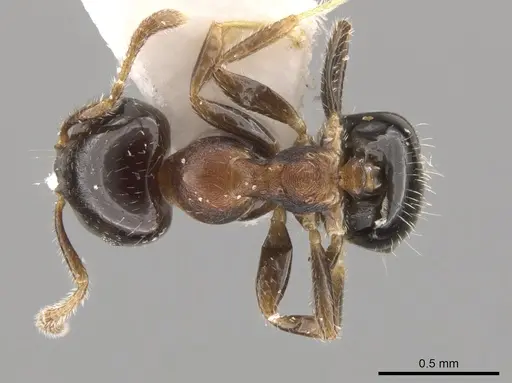
CASENT0909931
AntWeb'de Görüntüle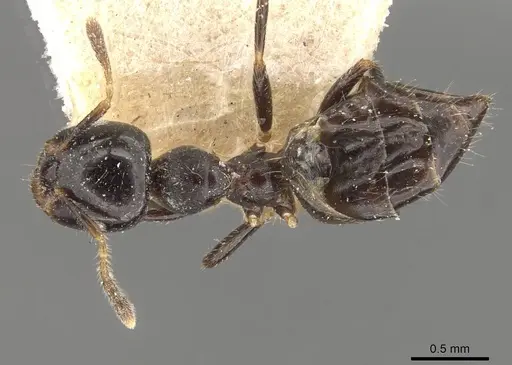
CASENT0909932
AntWeb'de Görüntüle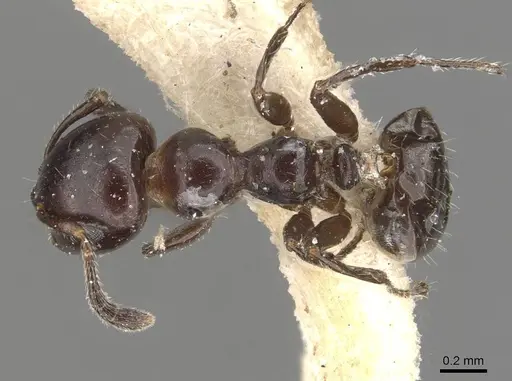
Literatür
Dağılım haritası yükleniyor...Ürünler yükleniyor...