
Monomorium majarishe
- Bilimsel Adı
- Monomorium majarishe
- Oymak (Tribe)
- Solenopsidini
- Alt Familya
- Myrmicinae
- Yazar (Tanımlayan)
- Collingwood & Agosti, 1996
- Dağılım
- 0 ülkede bulundu
Giriş
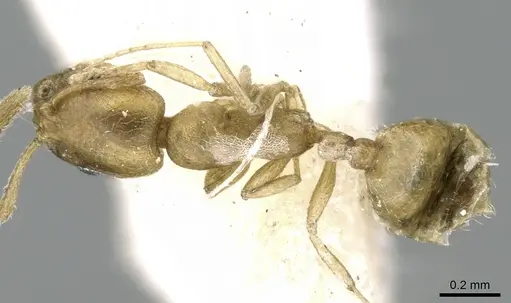
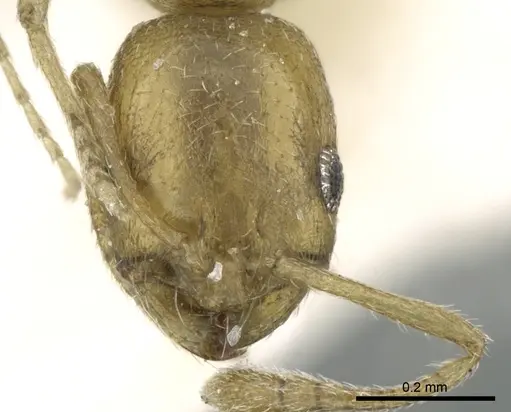
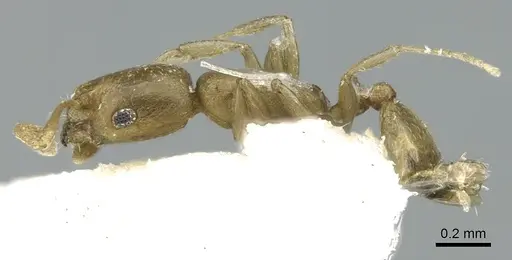
Monomorium majarishe is a small ant species belonging to the Myrmicinae subfamily. Workers are tiny, typically measuring up to 4mm in length, with the characteristic Monomorium body shape featuring a two-segmented petiole and a distinct post-petiole. The species is documented from Saudi Arabia . These ants are part of a genus that includes over 300 species worldwide, many adapted to warm, arid environments. Coloration typically ranges from yellowish-brown to dark brown. Like other members of the Solenopsidini tribe, they possess a sting capable of delivering venom composed of piperidine alkaloids.
Quick Summary
- Difficulty: Medium
- Origin & Habitat: Saudi Arabia, arid to semi-arid desert and scrubland environments [1]. The species is adapted to hot, dry conditions typical of the Arabian Peninsula.
- Colony Type: Colony type is unconfirmed. Specific data on queen number and colony structure for this species is not available in current literature.
- Size & Growth:
- Queen: Size data unavailable for this species, inferred from typical Monomorium genus patterns (~5-7mm)
- Worker: Up to 4mm, inferred from genus patterns
- Colony: Maximum colony size is unconfirmed for this species
- Growth: Growth rate is unconfirmed
- Development: Development time is unconfirmed for this species (Development time is temperature-dependent. First workers (nanitics) are typically smaller than mature workers in this genus.)
- Antkeeping:
- Temperature: Keep at 24-30°C. Based on Saudi Arabian origin, these ants prefer warm conditions. A heating cable on one side of the nest can create a temperature gradient allowing the colony to self-regulate.
- Humidity: Low to moderate, aim for 40-60% relative humidity. These ants are adapted to arid conditions and should be kept drier rather than overly damp. Allow the nest substrate to dry partially between water additions.
- Diapause: Diapause requirements are unconfirmed for this species. The mild Saudi Arabian climate suggests minimal cold period needs, but specific data is not available.
- Nesting: Y-tong (AAC) nests or plaster nests work well for this species. The small worker size requires tight-fitting chambers and passages. Naturalistic setups with dry substrate are also suitable given their arid origin. Avoid overly humid environments that can cause mold issues.
- Behavior: Workers are small and active, typically foraging in columns for food. They are omnivorous, accepting both sugar sources and protein foods. Due to their small size, escape prevention is critical, they can squeeze through remarkably small gaps. Workers are not particularly aggressive but will defend the nest if threatened.
- Common Issues: escape prevention is critical due to tiny worker size, use fine mesh barriers and tight-fitting lids, overheating is a risk, keep temperatures below 32°C to prevent mortality, dry conditions can kill founding colonies, new queens need some moisture even though adults prefer aridity, mold can be an issue in humid outworlds, wild-caught colonies may have parasites that can devastate captive populations
Housing and Nest Setup
For Monomorium majarishe, a Y-tong (AAC) nest or plaster formicarium works best given their small size and preference for drier conditions. The chambers should be appropriately scaled to their tiny worker size, passages and chambers sized for larger ants will allow these small ants to feel exposed and stressed. A naturalistic setup with a dry, sandy substrate can also work well and mimics their natural arid habitat. The outworld should have a small water station for drinking, but avoid creating overly humid conditions. Escape prevention is essential, these tiny ants can escape through gaps that seem impossibly small. Apply fluon or use fine mesh on all openings.
Feeding and Diet
Monomorium majarishe is omnivorous, like most ants in this genus. Offer sugar water, honey, or diluted maple syrup as a constant carbohydrate source. For protein, small prey items work best given their tiny size, fruit flies, pinhead crickets, small mealworms, or other appropriately sized insects. They are not specialized predators, so a varied diet of protein and sugars will keep them healthy. Feed protein 2-3 times per week, and ensure sugar water is always available. Remove any uneaten prey after 24-48 hours to prevent mold issues.
Temperature and Seasonal Care
Being from Saudi Arabia, these ants likely thrive in warm conditions. Keep the nest area between 24-30°C, with 26-28°C being ideal for growth and development. A heating cable placed on top of the nest can help maintain stable temperatures. During winter, a slight reduction to around 20-24°C is acceptable, but avoid cold temperatures below 15°C. Unlike temperate species, they do not require true hibernation, but a brief cooling period can simulate seasonal variation. [1]
Colony Founding
If you obtain a founding queen, claustral founding is typical for this genus, the queen seals herself into a small chamber and survives on stored fat reserves until her first workers emerge. The founding chamber should be kept slightly moist but not wet. Do not disturb the founding queen during this period, stress can cause her to abandon or eat her brood.
Behavior and Temperament
Workers of Monomorium majarishe are small but active foragers. They establish clear foraging trails and can quickly colonize food sources. While not particularly aggressive toward humans, they will defend their nest if threatened. Their small size makes them appear less intimidating than larger ants, but they can deliver a sting if handled roughly. The main behavioral concern for keepers is their tendency to escape, their tiny size allows them to exploit even microscopic gaps in setup. Always double-check your escape barriers.
Frequently Asked Questions
How long does it take for Monomorium majarishe to produce first workers?
Exact development time is unconfirmed for this species. For similar small Myrmicinae ants, expect first workers (nanitics) to emerge in approximately 6-8 weeks after the queen lays eggs, assuming optimal temperatures around 26-28°C. Cooler temperatures will slow development significantly.
What temperature do Monomorium majarishe ants need?
Keep them warm at 24-30°C, with 26-28°C being ideal. They are adapted to hot conditions from Saudi Arabia and need consistent warmth for healthy brood development.
Are Monomorium majarishe ants good for beginners?
They are rated as Medium difficulty. Their small size and escape risk make them slightly more challenging than larger, more forgiving species. However, their relatively simple care requirements and moderate growth rate make them manageable for committed beginners.
How big do Monomorium majarishe colonies get?
Maximum colony size is unconfirmed for this specific species. Similar Monomorium species can form colonies of several hundred workers, but exact numbers for M. majarishe are not documented.
What do I feed Monomorium majarishe ants?
They are omnivorous. Offer a constant sugar source (sugar water, honey, or maple syrup) and protein foods like small insects (fruit flies, pinhead crickets, small mealworms) 2-3 times per week.
Can I keep multiple queens together?
Colony type is unconfirmed for this species. Specific data on queen number is not available, so combining unrelated queens is not recommended.
Do Monomorium majarishe ants need hibernation?
Diapause requirements are unconfirmed. Their Saudi Arabian origin suggests mild winters, so true hibernation is likely not necessary. A brief cooling period to 18-20°C during winter may be beneficial, but cold temperatures below 15°C should be avoided.
Why are my Monomorium majarishe ants escaping?
Their tiny size allows them to squeeze through impossibly small gaps. Use fine mesh, apply fluon to barrier edges, and check all connections and lids thoroughly. Escape prevention must be excellent with this species.
When should I move my colony to a formicarium?
You can keep them in a test tube setup for the founding stage. Once the colony reaches 30-50 workers and you see they are active and healthy, you can transition to a proper formicarium. A Y-tong or plaster nest works well for this species.
Report an Issue
The current care sheet is based fully on literature. See inconsistencies, or something that's incorrect? Please , it will be resolved after review from an admin. Contributing to the blogs tab also helps providing information, to make us be able to further improve the caresheets. Thank you for your support!
References

Bu bakım rehberi şu lisans altındadır: CC BY-SA 4.0 .
Topluluk Blogları
CASENT0906334
AntWeb'de Görüntüle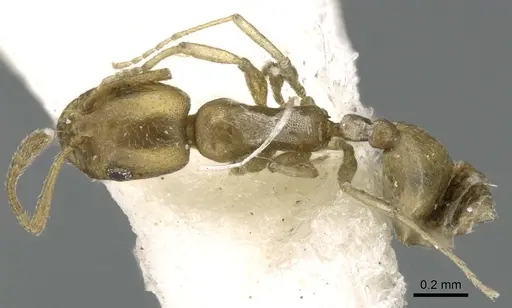
Literatür
Dağılım haritası yükleniyor...Ürünler yükleniyor...