
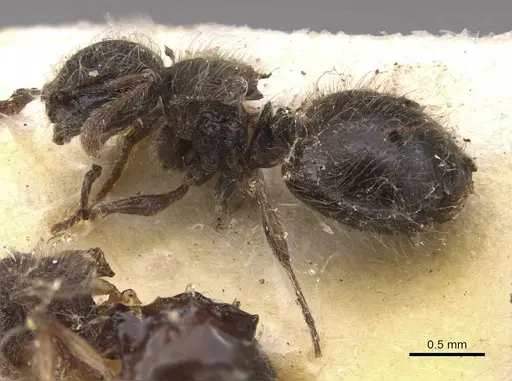
Meranoplus clypeatus
- Bilimsel Adı
- Meranoplus clypeatus
- Oymak (Tribe)
- Crematogastrini
- Alt Familya
- Myrmicinae
- Yazar (Tanımlayan)
- Bernard, 1953
- Dağılım
- 0 ülkede bulundu
Giriş
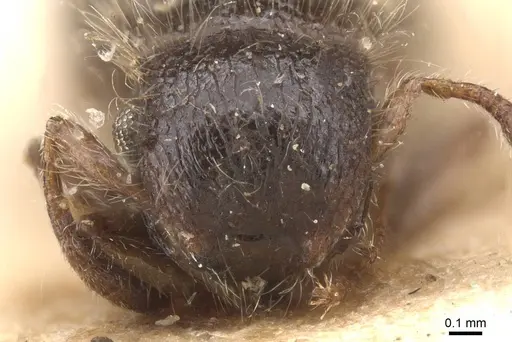
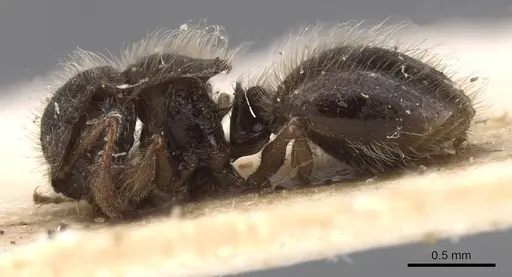
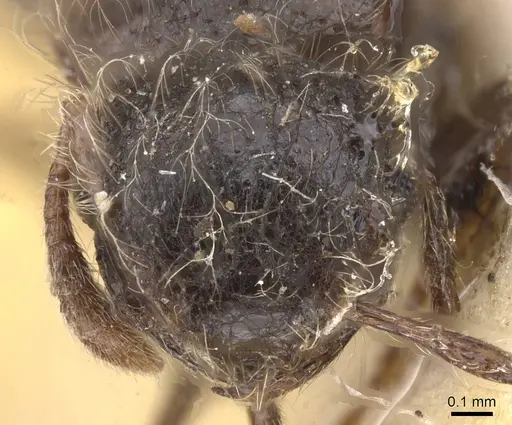
Meranoplus clypeatus is a small ant from the Myrmicinae subfamily, described by Bernard in 1953 from Guinea, West Africa . Workers and queens were collected from high-elevation prairie habitats at Mount Nimba, around 1400-1550 meters altitude . The species is found in Guinea, Cameroon, and the Democratic Republic of Congo . Limited scientific study means much care information is based on genus patterns. This species is notable for its adaptation to cooler, open prairie environments, which is unusual for the primarily forest-dwelling Meranoplus genus.
Quick Summary
- Difficulty: Medium
- Origin & Habitat: West and Central Africa, Guinea, Cameroon, and Democratic Republic of Congo. Found in high-elevation prairie habitats at Mount Nimba (1400-1550m altitude) [1].
- Colony Type: Unconfirmed colony structure. Based on Meranoplus genus patterns, likely single-queen colonies, but specific data for Meranoplus clypeatus is not available [1].
- Size & Growth:
- Queen: size data unavailable
- Worker: size data unavailable
- Colony: Up to estimated moderate size based on Meranoplus genus patterns [1]
- Growth: Moderate, inferred from similar Myrmicinae species
- Development: Estimated 6-10 weeks at optimal temperature based on genus-level data [1] (Direct development data unavailable, estimate based on typical Myrmicinae patterns)
- Antkeeping:
- Temperature: Keep at 22-26°C as a starting point. Adjust based on colony activity, they prefer warm, stable conditions typical of their West African range [1].
- Humidity: Moderate humidity (50-70%). The high-elevation prairie habitat suggests they prefer well-drained conditions with some moisture availability [1].
- Diapause: Unknown, no specific data on overwintering requirements. Given their West African origin, they may not require a true hibernation period but may show reduced activity during cooler months.
- Nesting: Natural nesting occurs in soil or under stones in prairie habitats. In captivity, standard test tubes or small formicaria with soil-based substrate work well. They prefer tight, enclosed chambers typical of ground-nesting Myrmicinae [1].
- Behavior: Behavior is unstudied for this specific species. Based on genus patterns, they are likely relatively docile with moderate foraging activity. Escape prevention should be good, they are not particularly small or known escape artists, but standard precautions apply. They likely forage for small insects and honeydew, similar to other Meranoplus species. Based on subfamily Myrmicinae, they likely have a smear defense mechanism using a modified stinger.
- Common Issues: limited species-specific information makes precise care challenging., colony founding may be slow due to limited documented data., humidity control is important to prevent mold in nesting areas., wild-caught colonies may have unknown parasites or health issues., growth rate is uncertain, making feeding schedules difficult to optimize.
Species Background and Distribution
Meranoplus clypeatus is a West African ant species that remains poorly documented in scientific literature. The type specimens were collected from Mount Nimba in Guinea, a region known for its unique high-elevation ecosystems. This species has been recorded across three countries in the Afrotropical region: Guinea (the type locality), Cameroon, and the Democratic Republic of Congo [1][2]. The original description was published by Bernard in 1953,with subsequent taxonomic notes by Bolton in 1981 [1].
The high-elevation prairie habitat where they were found suggests adaptation to cooler, more open conditions than typical lowland tropical ants. This makes them somewhat unusual within the genus, which primarily contains forest-dwelling species.
Housing and Nesting
In captivity, Meranoplus clypeatus can be housed in standard test tube setups for founding colonies, transitioning to small formicaria as the colony grows. Based on their natural habitat in prairie soil environments, they likely prefer nests with soil or earth-filled chambers rather than entirely artificial setups. A mix of test tube setups with cotton-water reservoirs and small naturalistic formicaria works well for this genus.
For substrate, use a well-draining soil mixture, something that holds some moisture but doesn't become waterlogged. The high-elevation origin suggests they prefer conditions that aren't constantly wet. Provide a few damp areas but also dry zones so the ants can self-regulate. [1]
Feeding and Diet
Like most Myrmicinae ants, Meranoplus clypeatus likely has an omnivorous diet. Offer sugar water or honey as an energy source, along with protein in the form of small insects (fruit flies, pinhead crickets, mealworms). Based on genus patterns, they probably also collect honeydew from aphids if available.
Feed protein sources 2-3 times per week for growing colonies, and keep sugar water available at all times. Remove uneaten prey after 24-48 hours to prevent mold. Start with small prey items appropriate to worker size, these are not large ants, so appropriately sized prey is important. [1]
Temperature and Seasonal Care
Given their West African origin with high-elevation collection sites, these ants prefer warm conditions but not extreme heat. Aim for 22-26°C as a baseline, with slight variations acceptable. They should be kept at room temperature in most homes, with supplemental heating only if your environment runs cool.
The diapause requirements are unknown for this species. West African ants often don't require true hibernation, but may show reduced activity during cooler periods. Monitor your colony, if they become less active in winter, reduce feeding and avoid disturbing them, but maintain basic warmth. Do not let temperatures drop below 18°C for extended periods. [1]
Defense Mechanism
Meranoplus clypeatus belongs to the subfamily Myrmicinae and tribe Crematogastrini. Ants in this group typically have a smear defense mechanism, where they use a modified, flattened stinger to wipe venom onto enemies rather than piercing flesh. This is general taxonomic knowledge for Myrmicinae, and no species-specific data is available for Meranoplus clypeatus.
Frequently Asked Questions
How long does it take for Meranoplus clypeatus to produce first workers?
The exact timeline is unknown for this species. Based on typical Myrmicinae development, expect first workers (nanitics) within 6-10 weeks after the queen lays eggs, assuming optimal temperature (22-26°C). Founding colonies can be slow to develop, so patience is required.
What size colony does Meranoplus clypeatus reach?
Colony size is unconfirmed for this species. Based on genus patterns, expect moderate-sized colonies of up to estimated 500 workers. This is not a supercolony species, and colonies likely develop at a moderate pace.
Do Meranoplus clypeatus ants sting?
Meranoplus clypeatus likely uses a smear defense mechanism rather than traditional stinging. As with most ants, they may bite if threatened, but their small size means any effect would be minimal.
Is Meranoplus clypeatus a good species for beginners?
This species is not ideal for beginners due to limited species-specific care information. The care requirements are not well-documented, making troubleshooting difficult. However, if you're experienced with Myrmicinae and comfortable with some uncertainty, it can be kept successfully by following genus-level guidelines.
What temperature should I keep Meranoplus clypeatus at?
Keep them at 22-26°C. This is warmer than room temperature for many homes, so you may need a small heating mat or heat cable on one side of the enclosure. Avoid temperatures above 30°C or below 18°C.
Can I keep multiple queens together?
This is not recommended. There is no data on pleometrosis (multiple queen founding) for this species, and combining unrelated queens of this poorly understood species carries significant risk of aggression and colony failure.
What do Meranoplus clypeatus eat?
They likely accept standard ant foods: sugar water or honey for energy, and small insects (fruit flies, small crickets, mealworms) for protein. Offer protein 2-3 times per week and keep sugar water available constantly.
Does Meranoplus clypeatus need hibernation?
Diapause requirements are unknown. Given their West African origin, they likely don't require true hibernation. However, they may slow down during cooler months. Monitor colony activity and adjust care accordingly.
Where is Meranoplus clypeatus found in the wild?
This species is found in West and Central Africa, specifically Guinea (type locality), Cameroon, and the Democratic Republic of Congo. They were collected from high-elevation prairie habitats around 1400-1550m altitude.
How big do Meranoplus clypeatus queens get?
Size data is unavailable for this species. No total length measurements are documented, so exact queen size is unknown.
Report an Issue
The current care sheet is based fully on literature. See inconsistencies, or something that's incorrect? Please , it will be resolved after review from an admin. Contributing to the blogs tab also helps providing information, to make us be able to further improve the caresheets. Thank you for your support!
References

Bu bakım rehberi şu lisans altındadır: CC BY-SA 4.0 .
Topluluk Blogları
CASENT0902017
AntWeb'de Görüntüle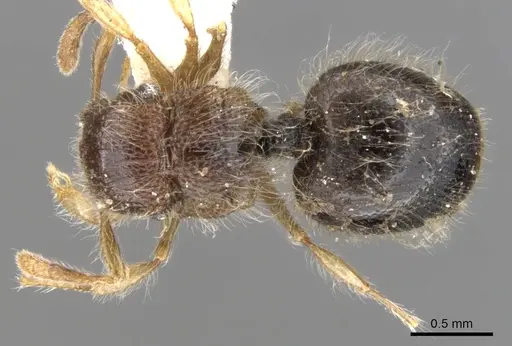
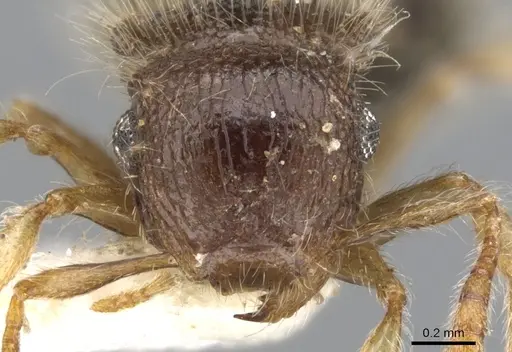
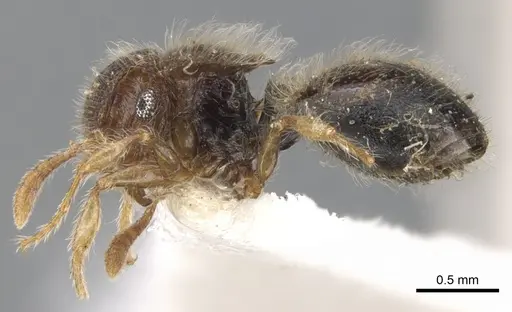
CASENT0913743
AntWeb'de Görüntüle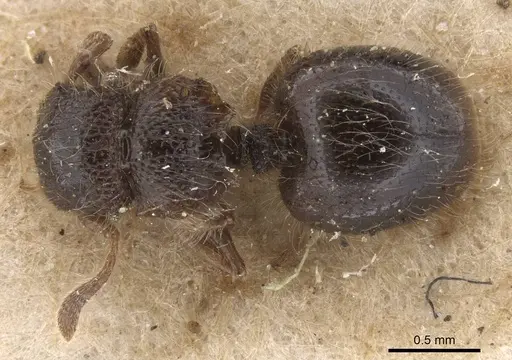
CASENT0915401
AntWeb'de Görüntüle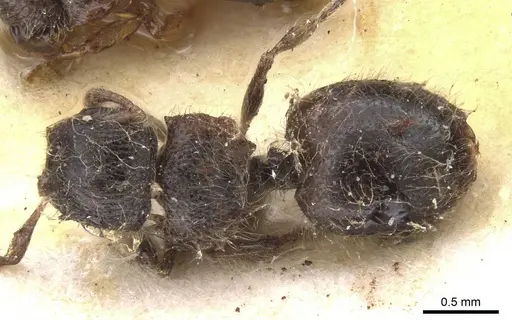
Literatür
Dağılım haritası yükleniyor...Ürünler yükleniyor...