
Lordomyrma acuminata
- Bilimsel Adı
- Lordomyrma acuminata
- Oymak (Tribe)
- Crematogastrini
- Alt Familya
- Myrmicinae
- Yazar (Tanımlayan)
- Stitz, 1912
- Dağılım
- 0 ülkede bulundu
Giriş
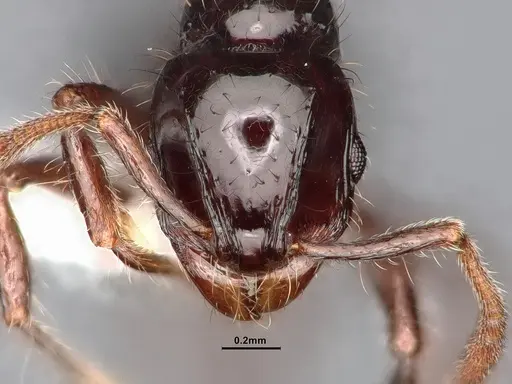
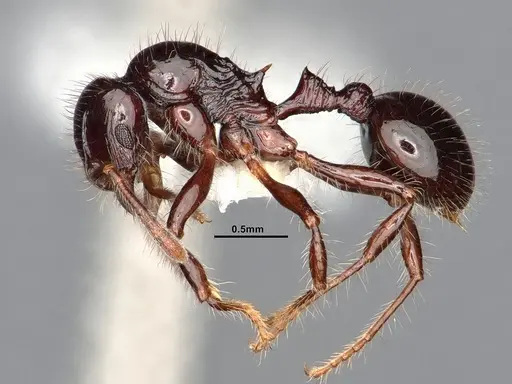
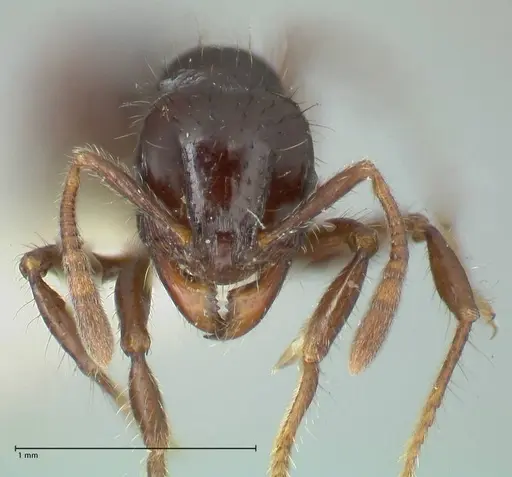
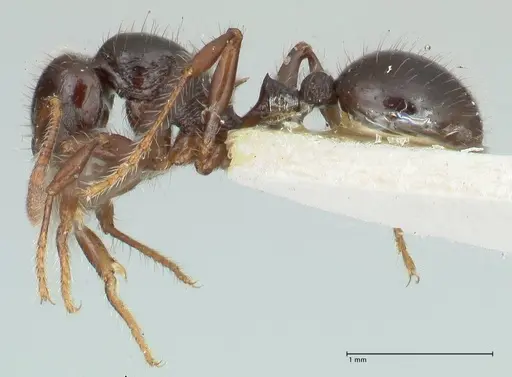
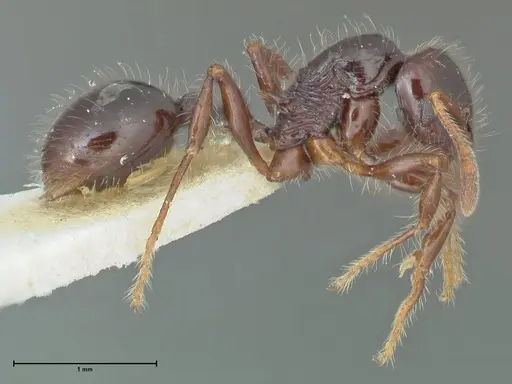
Lordomyrma acuminata is a small ant species in the subfamily Myrmicinae. Workers have typical myrmicine morphology with a functional stinger. This species was originally described in 1912 as a variety of Lordomyrma cryptocera and was elevated to full species rank in 2009 . The species is endemic to Papua New Guinea, with type specimens likely collected from the north coast of the former German colony of Kaiser Wilhelms Land, between 141°E and 148°E longitude . The genus Lordomyrma contains relatively few described species, with most distribution limited to Australasian regions .
Quick Summary
- Difficulty: Medium
- Origin & Habitat: Papua New Guinea, tropical rainforest environments in the Australasian region. The type locality is along the north coast of former Kaiser Wilhelms Land (141°E-148°E) [1].
- Colony Type: Colony structure is unconfirmed. No documented data on queen number or colony social structure exists for this species.
- Size & Growth:
- Queen: size data unavailable
- Worker: size data unavailable
- Colony: Unknown, no colony size data available
- Growth: Unknown
- Development: Unknown, no direct development data available for this species. (Development timeline has not been studied.)
- Antkeeping:
- Temperature: Temperature requirements are unconfirmed. As a tropical species from Papua New Guinea, they likely require warm conditions. Monitor colony activity and adjust as needed.
- Humidity: Humidity requirements are unconfirmed. As a tropical species from Papua New Guinea, they likely prefer humid conditions. Provide a water source and avoid dry setups.
- Diapause: No diapause required, as a tropical species from Papua New Guinea, they do not experience cold winters.
- Nesting: Nesting preferences are unconfirmed for this species. Based on genus-level patterns, they likely nest in rotting wood or moist soil in shaded forest habitats [2].
- Behavior: Behavior is not well documented for this species. Based on genus-level observations from AntWiki, Lordomyrma species are generally non-aggressive. Escape risk is moderate, use standard barrier methods [2]. This species belongs to the Myrmicinae subfamily, which typically have functional stingers capable of delivering venom.
- Common Issues: limited availability, this species is rarely available in the antkeeping hobby due to restricted range, no established husbandry guidelines, keepers will be pioneering care methods, tropical humidity requirements mean setups must not dry out, wild-caught colonies may harbor parasites from Papua New Guinea, no species-specific data on optimal care conditions
Natural History and Distribution
Lordomyrma acuminata is endemic to Papua New Guinea in the Australasian region. The type specimens were collected during the Kaiserin-Augustafluss Expedition with the type locality likely being the north coast of the former German colony of Kaiser Wilhelms Land, between 141°E and 148°E longitude [1]. Originally described in 1912 as a variety of L. cryptocera, it was elevated to full species rank in 2009 [1]. The exact nesting habits in the wild are not documented, but the genus Lordomyrma generally includes species that nest in rotting wood, under bark, or in moist soil in shaded forest habitats [2].
Housing and Nest Setup
Since specific care requirements are unconfirmed for this species, start with standard setups and adjust based on colony behavior. Test tube setups with water reservoirs work well for founding colonies and small groups. The water reservoir provides constant humidity and a drinking source. For established colonies, Y-tong nests or plaster nests that retain moisture are suitable options. Avoid setups that can dry out quickly. Monitor how workers respond to humidity levels. Provide a foraging area with access to protein and sugar sources.
Feeding and Diet
Diet preferences are not documented for this specific species. Based on typical Myrmicinae behavior, they likely accept a varied diet including small insects, honeydew, and sugar sources. Offer protein sources such as small crickets, mealworms, or other small arthropods. Sugar water or honey can be provided as an energy source. Since this is a relatively unknown species in captivity, observe acceptance of different food types and adjust accordingly.
Temperature and Seasonal Care
As a tropical species from Papua New Guinea, Lordomyrma acuminata likely requires warm conditions year-round. Unlike temperate species, they do not require hibernation or diapause periods. Room temperature within the low-to-mid 20s Celsius is likely suitable. If your room is cooler, use a heating cable on one side of the nest to create a temperature gradient. Monitor colony activity, workers should be active and foraging.
Colony Development and Growth
Specific development timeline data is not available for this species. Initial workers (nanitics) will likely be smaller than mature workers. Since this species is rarely kept in captivity, keepers will need to document their own observations to build husbandry knowledge for the antkeeping community.
Frequently Asked Questions
How long does it take for Lordomyrma acuminata to produce first workers?
The exact development timeline is unknown for this species. No specific data exists, you will need to document your own observations.
What temperature should I keep Lordomyrma acuminata at?
Temperature requirements are unconfirmed. As a tropical species from Papua New Guinea, they likely need warm conditions. Start with room temperature in the low-to-mid 20s Celsius and monitor colony activity.
Do Lordomyrma acuminata ants need hibernation?
No, they do not require hibernation. As a tropical species from Papua New Guinea, they remain active year-round and do not experience cold winter periods.
What do Lordomyrma acuminata eat?
Diet is not specifically documented. Based on typical Myrmicinae, offer small insects for protein and sugar sources (honey water) for energy. Observe acceptance and adjust offerings accordingly.
Are Lordomyrma acuminata good for beginners?
This species is not recommended for beginners due to limited availability and lack of established husbandry guidelines. It is better suited for experienced antkeepers who can document and adapt care as needed.
How big do Lordomyrma acuminata colonies get?
Colony size is unknown for this species. No documented data exists on maximum colony size.
Do Lordomyrma acuminata ants sting?
Stinging behavior is not documented for this specific species. As Myrmicinae, they have the ability to sting, but most Lordomyrma species are docile and unlikely to sting aggressively [2].
Can I keep multiple queens together?
Colony structure (monogyne vs polygyne) has not been documented for this species. It is not recommended to combine unrelated queens as this has not been studied.
What humidity level do Lordomyrma acuminata need?
Humidity requirements are unconfirmed for this species. As a tropical species from Papua New Guinea, they likely prefer humid conditions. Provide a water source and avoid dry setups.
Where is Lordomyrma acuminata found in the wild?
This species is endemic to Papua New Guinea, specifically along the north coast region between 141°E and 148°E longitude [1].
Report an Issue
The current care sheet is based fully on literature. See inconsistencies, or something that's incorrect? Please , it will be resolved after review from an admin. Contributing to the blogs tab also helps providing information, to make us be able to further improve the caresheets. Thank you for your support!
References

Bu bakım rehberi şu lisans altındadır: CC BY-SA 4.0 .
Topluluk Blogları
CASENT0885463
AntWeb'de Görüntüle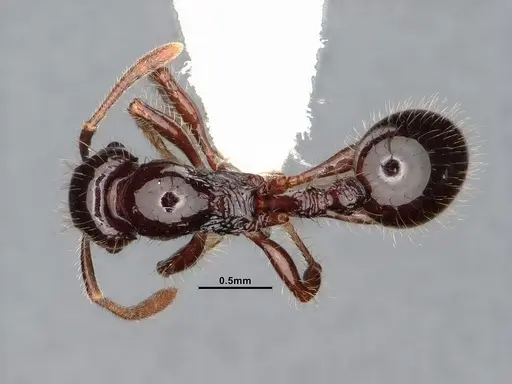
FOCOL1966
AntWeb'de Görüntüle
Literatür
Dağılım haritası yükleniyor...Ürünler yükleniyor...