
Lophomyrmex lucidus
- Bilimsel Adı
- Lophomyrmex lucidus
- Oymak (Tribe)
- Crematogastrini
- Alt Familya
- Myrmicinae
- Yazar (Tanımlayan)
- Menozzi, 1930
- Dağılım
- 0 ülkede bulundu
Giriş
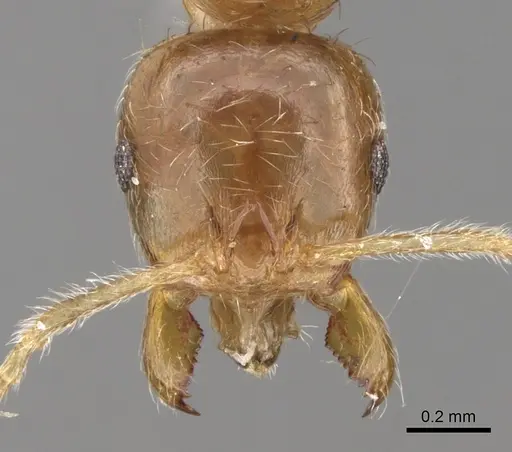
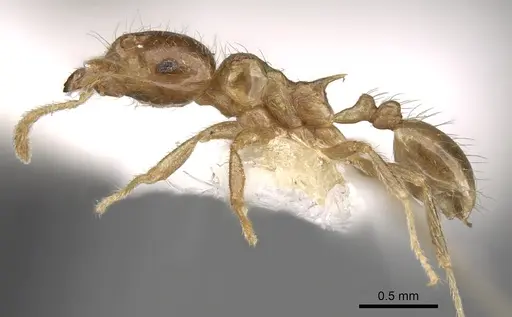
Lophomyrmex lucidus is a tiny myrmicine ant native to Southeast Asia, found across Laos, Thailand, Malaysia, and Sumatra. Workers measure just 2.5-2.8mm with a distinctive smooth, shiny appearance and light brown coloration with a reddish tinge on the head. Queens are considerably larger at around 8.5mm. This species belongs to the Lophomyrmex bedoti species group and is commonly found in various forest habitats including rainforest, dry evergreen forest, hill evergreen forest, and mixed deciduous forest. They nest in soil and are predatory on other arthropods.
Quick Summary
- Difficulty: Unknown, species has no documented captive history
- Origin & Habitat: Southeast Asia (Laos, Thailand, Malaysia, Indonesia Sumatra) in rainforest, dry evergreen forest, hill evergreen forest, and mixed deciduous forest [1]
- Colony Type: Unconfirmed, colony structure has not been documented in scientific literature
- Size & Growth:
- Queen: ~8.5mm [1][2]
- Worker: 2.5-2.8mm [1][2]
- Colony: Unknown, no colony size data available
- Growth: Unknown
- Development: Unknown, no development data available for this species (Development timeline has not been studied. Related Myrmicinae species in this region typically develop from egg to worker in 4-8 weeks at tropical temperatures.)
- Antkeeping:
- Temperature: Unknown, no thermal studies exist. Based on habitat (tropical Southeast Asian forests), aim for warm conditions around 24-28°C with some variation allowed.
- Humidity: Unknown, no humidity data available. Based on forest habitat, moderate to high humidity (60-80%) is likely appropriate. Keep nest substrate consistently moist but not waterlogged.
- Diapause: Unknown, no seasonal studies exist. Given the tropical distribution, diapause may not be required, though some seasonal slow-down during cooler months is possible.
- Nesting: In nature they nest in soil [1]. For captivity, a test tube setup or small Y-tong (AAC) nest with moist substrate would be appropriate. Their tiny size requires tight-fitting lids and fine mesh barriers to prevent escapes.
- Behavior: Behavior is unstudied in captivity. Based on related species and their predatory nature, they are likely active foragers that hunt small arthropods. Their tiny size (under 3mm) makes them excellent escape artists, escape prevention must be excellent. Temperament is unknown but likely not aggressive given their small size. Queens are significantly larger than workers, which may help with identification.
- Common Issues: no captive history means no established care protocols exist, tiny size creates significant escape risk, use fine mesh and tight-fitting lids, predatory diet may require live prey which can be challenging to provide, humidity and temperature requirements are completely unknown, no information on founding behavior or colony development timeline
Species Overview
Lophomyrmex lucidus is a remarkably small ant species native to the forests of Southeast Asia. Workers measure just 2.5-2.8mm in length, making them among the smaller ants you might encounter in the antkeeping hobby. The species was originally described as a variety of Lophomyrmex bedoti in 1930 and was later raised to full species status in 1994. They belong to the Lophomyrmex bedoti species group, which is characterized by their smooth and shiny appearance. The workers have a distinctive light brown coloration with a reddish tinge on the head, while queens are darker brown with similar reddish highlights. This species is found across a wide geographic range including Laos, Thailand, West Malaysia, and Sumatra, where they inhabit various forest types from lowland rainforest to hill evergreen forest. [1][2]
Natural Habitat and Distribution
Lophomyrmex lucidus is distributed across the Indomalaya region, specifically found in Laos, Thailand, West Malaysia, and Indonesia (Sumatra). In Thailand, they have been recorded from multiple localities including Chiang Mai (Omkoi), Nan (Phu Piang), Loei (Phu Rure), Chaiyaphum (Phu Kheao), Krabi (Lanta), Ranong (Suksamrarn), Trang (Palian), and Narathiwat (Waeng). They are commonly found in rainforest, dry evergreen forest, hill evergreen forest, and mixed deciduous forest. Their distribution often overlaps with Lophomyrmex bedoti in southern rainforests. The species nests in soil and preys on other arthropods, making them predatory hunters in their natural ecosystem. [1]
Housing and Nest Setup
Since this species has no documented captive history, housing recommendations must be based on inference from their natural biology and related species. They nest in soil in nature, so a test tube setup with moist cotton or a small Y-tong (AAC) nest with appropriate chambers would be suitable starting points. Given their extremely small worker size (under 3mm), escape prevention is absolutely critical. You must use tight-fitting lids, fine mesh barriers (at least 0.5mm or smaller), and reliable escape prevention methods like Fluon on the rim of any container. The nest should have appropriately scaled chambers, tiny passages and chambers sized for their small body. Provide a small outworld area for foraging. Since humidity requirements are unknown, start with moderate conditions (60-80% humidity) and observe colony behavior to adjust. [1]
Feeding and Diet
In their natural habitat, Lophomyrmex lucidus preys on other arthropods [1]. This indicates they are predatory and likely require protein-based foods in captivity. For a species this small, you would need to offer appropriately sized prey such as live springtails, fruit flies, tiny crickets, or other small arthropods. Sugar sources may also be accepted, you can experiment with diluted honey or sugar water, though protein prey should form the primary diet. Feed small amounts every few days and remove uneaten prey to prevent mold. Since their exact dietary preferences are unknown, offering a variety of small live prey and occasional sugar sources would be the best approach until you can observe what they readily accept.
Temperature and Seasonal Care
No specific temperature or seasonal data exists for this species. However, based on their distribution across tropical Southeast Asia (Thailand, Laos, Malaysia, Sumatra), they likely prefer warm conditions. Aim for temperatures in the range of 24-28°C as a starting point. Since they come from tropical forests, they probably do not require a true diapause or hibernation period. However, if you keep them in a temperate climate, they may show reduced activity during cooler winter months even without formal hibernation. Use a heating cable or mat on one side of the nest to create a temperature gradient, allowing the ants to choose their preferred temperature. Monitor colony activity, if workers consistently cluster in warmer areas, increase temperature slightly, if they avoid heated areas, reduce temperature.
Behavior and Temperament
The behavior of Lophomyrmex lucidus in captivity has not been documented, so specific temperament observations are unavailable. Based on their small size and predatory nature, they are likely active foragers that hunt small arthropods rather than relying on honeydew or plant secretions. Their tiny size means they are probably not aggressive and unlikely to sting humans, their stingers would be too small to penetrate human skin effectively. The most significant behavioral consideration is their escape risk: at under 3mm, they can squeeze through incredibly small gaps. Excellent escape prevention is non-negotiable. Queens are significantly larger (around 8.5mm) than workers, which makes distinguishing castes relatively easy. [2]
Frequently Asked Questions
How long does it take for Lophomyrmex lucidus to go from egg to worker?
The development timeline for this species is completely unknown, no scientific studies have documented their egg-to-worker development time. Based on related Myrmicinae species in tropical regions, you can expect roughly 4-8 weeks at warm temperatures (around 26°C), but this is only an estimate.
What do Lophomyrmex lucidus ants eat?
They are predatory ants that prey on other arthropods in nature. In captivity, you should offer small live prey such as springtails, fruit flies, or tiny crickets. They may also accept sugar sources like diluted honey or sugar water, but protein prey should form the primary diet.
Do Lophomyrmex lucidus ants sting?
While they likely have a stinger, at their tiny size (under 3mm), it would be extremely unlikely to penetrate human skin. They are not considered dangerous to humans.
Can I keep Lophomyrmex lucidus in a test tube?
Yes, a test tube setup would be appropriate for this species given their small size and soil-nesting nature. However, you must ensure excellent escape prevention, their tiny size means they can escape through remarkably small gaps. Use fine mesh and check connections regularly.
What temperature do Lophomyrmex lucidus need?
Temperature requirements are not documented for this species. Based on their tropical Southeast Asian distribution, aim for warm conditions around 24-28°C. Use a heating cable on one side of the nest to create a gradient and allow the colony to self-regulate.
How big do Lophomyrmex lucidus colonies get?
Colony size data is not available for this species. No scientific papers have documented maximum colony sizes. Expect relatively small colonies given their tiny worker size.
Do Lophomyrmex lucidus need hibernation?
Diapause requirements are unknown. Given their tropical distribution across Thailand, Laos, Malaysia, and Sumatra, they likely do not require a true hibernation period. Some reduced activity during cooler months may occur naturally.
Are Lophomyrmex lucidus good for beginners?
This species is not recommended for beginners. There is no documented captive care history, meaning all temperature, humidity, and dietary requirements are unknown. You would essentially be pioneering husbandry for a species with no established protocols.
How do I identify Lophomyrmex lucidus queens?
Queens are significantly larger than workers at approximately 8.5mm (compared to worker size of 2.5-2.8mm). They have a dark brown coloration with a reddish tinge, particularly on the gaster and the sides of the alitrunk. The workers are light brown with a reddish tinge on the head and have a smooth, shiny appearance.
Why are my Lophomyrmex lucidus escaping?
At under 3mm in size, this species is an excellent escape artist. You must use excellent escape prevention including tight-fitting lids, fine mesh barriers (0.5mm or smaller), and barriers like Fluon on container rims. Check all connections and ventilation holes regularly.
Report an Issue
The current care sheet is based fully on literature. See inconsistencies, or something that's incorrect? Please , it will be resolved after review from an admin. Contributing to the blogs tab also helps providing information, to make us be able to further improve the caresheets. Thank you for your support!
References

Bu bakım rehberi şu lisans altındadır: CC BY-SA 4.0 .
Topluluk Blogları
CASENT0281613
AntWeb'de Görüntüle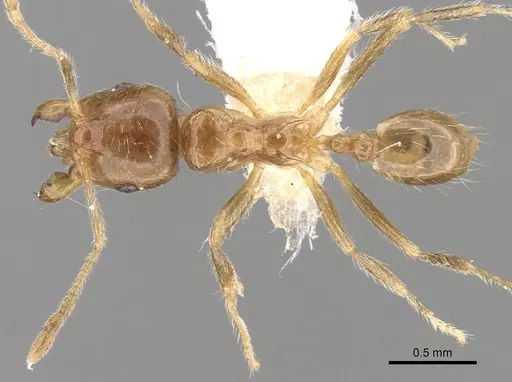
Literatür
Dağılım haritası yükleniyor...Ürünler yükleniyor...