
Leptogenys pompiloides
- Bilimsel Adı
- Leptogenys pompiloides
- Oymak (Tribe)
- Ponerini
- Alt Familya
- Ponerinae
- Yazar (Tanımlayan)
- Smith, 1857
- Dağılım
- 0 ülkede bulundu
Giriş
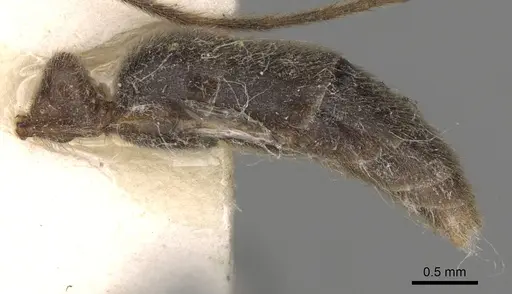
Leptogenys pompiloides is a slender predatory ant species described from Borneo in 1857. Males measure approximately 6.35 mm . This species is found in the Indomalaya region, including Borneo, Indonesia, Malaysia, and Singapore . As a Ponerinae species, they possess a functional stinger and are active hunters of small invertebrates. This species is rarely kept in captivity due to limited husbandry information, but its hunting behavior makes it interesting for experienced antkeepers.
Quick Summary
- Difficulty: Medium
- Origin & Habitat: Tropical Southeast Asia, found in rainforest environments with high humidity [2].
- Colony Type: Based on Leptogenys patterns, likely monogyne (single queen colonies), but colony structure is unconfirmed for this species.
- Size & Growth:
- Queen: Size data unavailable, inferred from Leptogenys genus ~8-12 mm
- Worker: Size data unavailable, inferred from Leptogenys genus ~4-7 mm
- Colony: Up to several hundred workers, estimated from genus patterns
- Growth: Moderate
- Development: Estimated 6-10 weeks at optimal temperatures, based on related species patterns (Development timeline is inferred from genus-level data since species-specific research is unavailable)
- Antkeeping:
- Temperature: Keep warm at 24-28°C. This tropical species requires stable conditions. Based on genus patterns, use a heating cable to create a gradient.
- Humidity: Maintain high humidity with moist substrate. Keep the nest substrate consistently damp but not waterlogged, with some drier areas available for the ants to regulate their conditions.
- Diapause: No, this tropical species does not require hibernation.
- Nesting: In nature, they likely nest in soil or rotting wood. In captivity, use a Y-tong or plaster nest with moist substrate.
- Behavior: Workers are active predators that hunt small invertebrates. They possess a stinger and may use it defensively. Escape prevention is important due to their small size, use fine mesh barriers and secure lids.
- Common Issues: limited species-specific information makes care recommendations uncertain., high humidity requirements can lead to mold problems if ventilation is poor., tropical temperature needs may be difficult to maintain in cooler climates., predatory diet requires consistent access to live small prey., wild-caught colonies may carry parasites that affect captive survival.
Housing and Nest Setup
Leptogenys pompiloides is found in tropical rainforest environments [2], so in captivity, provide a humid setup. Use a Y-tong nest with moist plaster or a naturalistic setup with soil substrate. The nest should have chambers scaled to their body size. Keep the nest area consistently humid but ensure adequate ventilation to prevent mold. A water reservoir connected to the nest helps maintain humidity. The outworld should be simple. Use a test tube setup for founding colonies. Escape prevention is important due to their small size, use fine mesh and apply fluon to barrier edges.
Feeding and Diet
As predatory ants, they require a protein-based diet of small live invertebrates. Offer small live prey such as fruit flies, springtails, and small crickets. They are active hunters that chase and subdue prey with their sting. Feed protein prey 2-3 times per week, adjusting based on colony size. Remove uneaten prey after 24 hours to prevent mold.
Temperature and Humidity Management
Maintain temperatures between 24-28°C for optimal colony health. This tropical species does not tolerate cool conditions. Use a heating cable on one side of the nest to create a gentle thermal gradient. Humidity should remain high. Monitor substrate moisture regularly and rehydrate when the surface begins drying.
Colony Development and Growth
Colony growth is likely moderate, typical for tropical Ponerinae species. The first workers will be smaller than mature workers and may take 6-10 weeks to develop from egg at optimal temperatures. As the colony grows, worker size typically increases. A mature colony may reach several hundred workers based on genus patterns.
Behavior and Handling
Leptogenys pompiloides is an active, predatory ant with an alert temperament. Workers are slender and fast-moving, actively hunting for prey. They possess a functional stinger and may use it defensively. Avoid handling directly. They are likely primarily nocturnal or crepuscular.
Frequently Asked Questions
How long does it take for Leptogenys pompiloides to produce first workers?
Based on related Leptogenys species, expect first workers in approximately 6-10 weeks at optimal tropical temperatures (24-28°C). The exact timeline for this species is not documented, so monitor your colony and adjust conditions as needed.
What do Leptogenys pompiloides ants eat?
They are predatory ants that need small live invertebrates. Feed them fruit flies, springtails, small crickets, and other micro-arthropods. Protein should be their primary food source.
What temperature do Leptogenys pompiloides ants need?
Keep them warm at 24-28°C. This tropical species does not tolerate cool conditions and may be stressed by temperatures below 20°C. Use a heating cable or mat to maintain warm conditions year-round.
How big do Leptogenys pompiloides colonies get?
Based on genus patterns, colonies likely reach up to several hundred workers. The exact maximum size is not documented for this species, but expect moderate colony growth over 1-3 years.
Can I keep multiple Leptogenys pompiloides queens together?
This species is likely monogyne (single queen) based on typical Leptogenys patterns. Combining unrelated queens is not recommended as they likely will fight. Only keep one queen per colony.
Do Leptogenys pompiloides need hibernation?
No, this is a tropical species from Southeast Asia and does not require hibernation or diapause. Maintain warm, humid conditions year-round.
What humidity level do Leptogenys pompiloides need?
Keep humidity high with moist substrate. These rainforest ants need consistently moist conditions. Use a water reservoir connected to the nest and monitor substrate moisture regularly.
Are Leptogenys pompiloides good for beginners?
This species is rated as medium difficulty. While not the most challenging species, the limited species-specific information and high humidity/temperature requirements make it better suited for keepers with some antkeeping experience.
When should I move Leptogenys pompiloides to a formicarium?
Wait until the colony has at least 20-30 workers before moving from a test tube setup. The colony should be well-established with consistent brood development. Ensure the formicarium can maintain the high humidity this species requires.
Report an Issue
The current care sheet is based fully on literature. See inconsistencies, or something that's incorrect? Please , it will be resolved after review from an admin. Contributing to the blogs tab also helps providing information, to make us be able to further improve the caresheets. Thank you for your support!
References

Bu bakım rehberi şu lisans altındadır: CC BY-SA 4.0 .
Topluluk Blogları
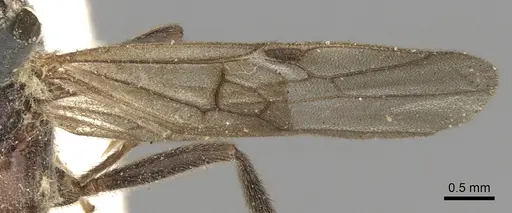
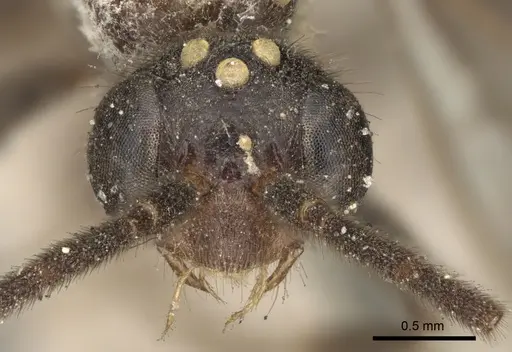
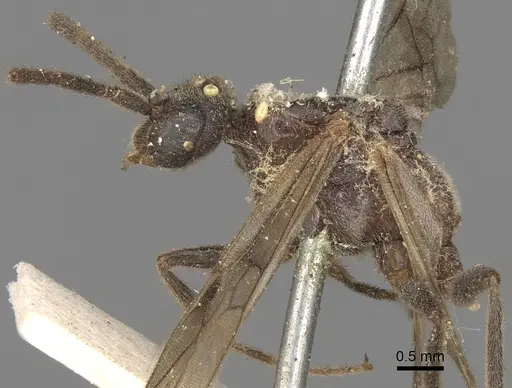
CASENT0281941
AntWeb'de Görüntüle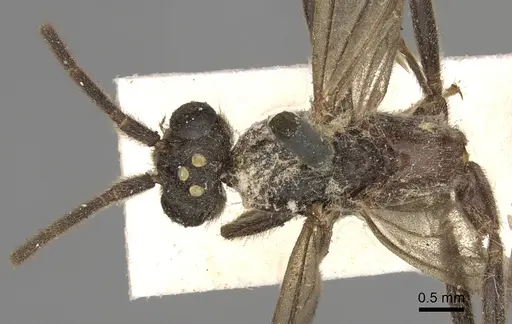
Literatür
Dağılım haritası yükleniyor...Ürünler yükleniyor...