
Leptogenys bellii
- Bilimsel Adı
- Leptogenys bellii
- Oymak (Tribe)
- Ponerini
- Alt Familya
- Ponerinae
- Yazar (Tanımlayan)
- Emery, 1901
- Dağılım
- 0 ülkede bulundu
Giriş
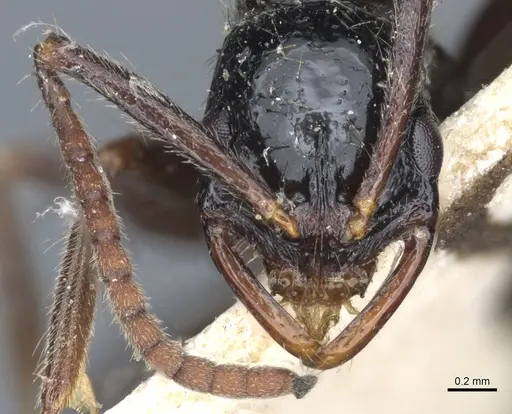
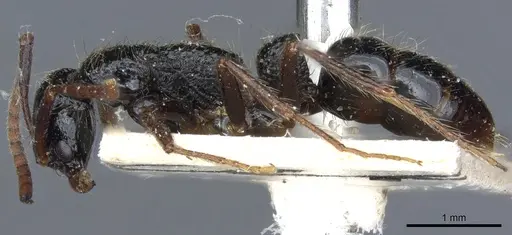
Leptogenys bellii is a predatory ant native to the Afrotropical region, originally described from Ethiopia and also recorded in Eritrea . Workers are uniformly black to brown-black, with mandibles, antennae, legs, and the tip of the abdomen (gaster) appearing brown . This species belongs to the Ponerinae subfamily, known for their sleek, elongated bodies and active hunting behavior. The species was first described by Emery in 1901 and was subsequently reviewed by Bolton in 1975 . Leptogenys ants are specialized predators that hunt using their powerful mandibles.
Quick Summary
- Difficulty: Medium
- Origin & Habitat: Ethiopia and Eritrea in the Afrotropical region. Based on related species in the genus, they likely inhabit forested areas with moist soil conditions where they can hunt for prey [1][2].
- Colony Type: Unconfirmed colony structure. Most Leptogenys species form single-queen colonies, though this has not been specifically documented for L. bellii.
- Size & Growth:
- Queen: Size data unavailable, inferred from Leptogenys genus patterns (~8-12mm)
- Worker: Size data unavailable, inferred from Leptogenys genus patterns (~5-8mm)
- Colony: Unknown for this specific species
- Growth: Unknown, no species-specific data available
- Development: Unknown, no species-specific study exists (Development time is unconfirmed for this species. Ponerinae species generally take longer to develop than many Myrmicinae ants.)
- Antkeeping:
- Temperature: Keep at 24-28°C based on typical Afrotropical species requirements. A slight gradient allowing cooler areas (around 22°C) is recommended. Avoid temperatures below 20°C for extended periods.
- Humidity: Maintain moderate to high humidity (60-80%). Keep the nest substrate consistently moist but not waterlogged. Ponerinae ants typically prefer damp conditions.
- Diapause: No true hibernation required as they come from the Afrotropical region. However, they may slow activity during cooler periods.
- Nesting: Use a naturalistic setup with moist substrate (soil or sand mixture) or a Y-tong/plaster nest that retains humidity well. They prefer dark, humid nest chambers. Given their predatory nature, provide access to a hunting arena.
- Behavior: Leptogenys bellii is an active predator that hunts small invertebrates. Workers are typically non-aggressive toward humans but will defend the colony if threatened. They have a moderate escape risk due to their medium size, standard barrier methods like Fluon on test tube rims or formicarium edges should be sufficient. Workers are fast-moving and may be more active during evening hours. As Ponerinae ants, they possess a functional stinger capable of delivering venom, though documented reports of human stings are rare for this species.
- Common Issues: humidity management is critical, too dry and colonies fail to thrive, too wet and mold becomes a problem, predatory species require live prey, colonies can starve if only given dead insects, wild-caught colonies may have parasites that kill them in captivity, slow founding phase, queens may take months before first workers appear, temperature drops below 20°C can slow or stop brood development
Housing and Nest Setup
Leptogenys bellii does well in naturalistic setups that mimic their natural forest floor habitat. Use a mixture of soil and sand as substrate, keeping it consistently moist but not waterlogged. A depth of 2-3 inches allows for proper tunnel construction. Since they are predatory, provide a separate hunting arena where you can place live prey. Test tube setups can work for founding colonies, but transition to a naturalistic or Y-tong setup once the colony reaches 20-30 workers. These ants prefer dark, humid nest conditions, cover the nest portion to reduce light exposure. Ensure excellent escape prevention as workers are fast-moving and will exploit any gaps. [1][2][3]
Feeding and Diet
Leptogenys bellii is a specialized predator that requires live prey to thrive. Feed small live insects such as fruit flies, pinhead crickets, small mealworms, and other appropriately-sized arthropods. Offer prey 2-3 times per week for established colonies, and more frequently for growing colonies. Unlike some ants, they are not typically attracted to sugar water or honey, though you can occasionally offer these as supplements. Remove uneaten prey after 24 hours to prevent mold. The founding queen will need to hunt during the founding phase if semi-claustral, she cannot survive on stored fat alone like claustral species do.
Temperature and Seasonal Care
Maintain temperatures between 24-28°C for optimal colony health and brood development. A temperature gradient is ideal, allow one area of the setup to be slightly cooler (around 22°C) so ants can self-regulate. Heating cables or mats placed on one side of the nest can help maintain warmth. Since L. bellii comes from Ethiopia and Eritrea (Afrotropical region), they are adapted to warm conditions year-round. They do not require true hibernation, but activity may slow during cooler periods. Avoid temperatures below 18°C as this can stress the colony and halt brood development. Room temperature in most homes (20-24°C) may be too cool, consider supplemental heating. [1][2]
Colony Founding
Colony founding for Leptogenys bellii is unconfirmed. The founding behavior has not been documented for this specific species. The queen may remain active in her founding chamber and hunt for small prey if semi-claustral, or she may seal herself away if claustral. The founding phase can be lengthy, expect several weeks before eggs appear, and several more weeks before the first workers emerge. Do not disturb the founding chamber during this period as stress can cause queen abandonment. Provide small live prey items near the founding chamber once eggs are visible.
Behavior and Temperament
Leptogenys bellii workers are active hunters that patrol their territory in search of small invertebrates. They are not particularly aggressive toward humans but will defend the colony if threatened. As Ponerinae, they possess a functional stinger, though they typically avoid using it on humans. When threatened, they may flee rapidly rather than attack. Workers communicate through chemical signals and may use tandem running (one worker leads another to food sources). The colony will establish a clear nest scent and defend it against intruders. These ants are more active during evening and night hours compared to diurnal species. Their medium size and speed make them moderate escape risks, use standard barrier methods. Colonies become more active and visible once they reach 50+ workers.
Frequently Asked Questions
How long does it take for Leptogenys bellii to produce first workers?
The timeline is unconfirmed for this species. Based on related Ponerinae species, expect several months from founding to first workers emerging. The exact duration depends on temperature and feeding.
What do Leptogenys bellii ants eat?
They are predatory ants that require live prey. Feed small live insects like fruit flies, pinhead crickets, small mealworms, and other tiny arthropods. Sugar sources are not typically accepted as a primary food.
Can I keep Leptogenys bellii in a test tube?
Test tubes can work for founding colonies, but you must provide access to live prey. If the queen is semi-claustral, she needs to hunt, so she cannot be kept in a sealed test tube setup. Transfer to a naturalistic or Y-tong setup once the colony reaches 20-30 workers.
What temperature do Leptogenys bellii need?
Keep them warm at 24-28°C. A slight gradient allowing cooler areas around 22°C is beneficial. Avoid temperatures below 20°C for extended periods.
Are Leptogenys bellii good for beginners?
This species is rated as Medium difficulty. They require more specialized care than sugar-feeding ants due to their predatory diet and humidity needs. They are not recommended as a first ant but are manageable for intermediate antkeepers.
How big do Leptogenys bellii colonies get?
Colony size is not specifically documented for this species. Based on genus patterns, they may reach several hundred workers.
Do Leptogenys bellii need hibernation?
No true hibernation is required as they come from the Afrotropical region. However, they may slow activity during cooler periods. No special winter care is needed beyond maintaining warm temperatures.
Why is my Leptogenys bellii colony dying?
Common causes include: low humidity (keep substrate moist), too cold (maintain 24-28°C), starvation due to lack of live prey, mold from overwatering, or stress from disturbance during founding. Ensure proper conditions and offer live prey regularly.
Can I keep multiple Leptogenys bellii queens together?
This has not been documented for this species. Most Leptogenys are single-queen colonies. Combining unrelated queens is not recommended as they may fight.
Report an Issue
The current care sheet is based fully on literature. See inconsistencies, or something that's incorrect? Please , it will be resolved after review from an admin. Contributing to the blogs tab also helps providing information, to make us be able to further improve the caresheets. Thank you for your support!
References

Bu bakım rehberi şu lisans altındadır: CC BY-SA 4.0 .
Topluluk Blogları
CASENT0903973
AntWeb'de Görüntüle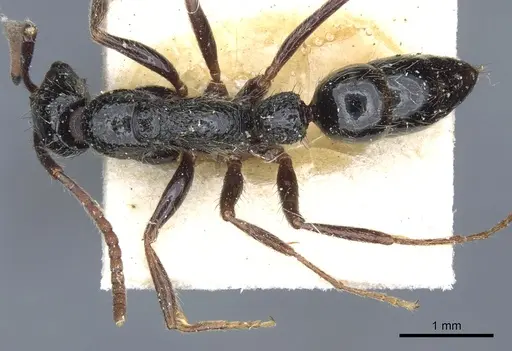
Literatür
Dağılım haritası yükleniyor...Ürünler yükleniyor...