
Leptogenys amon
- Bilimsel Adı
- Leptogenys amon
- Oymak (Tribe)
- Ponerini
- Alt Familya
- Ponerinae
- Yazar (Tanımlayan)
- Bolton, 1975
- Dağılım
- 0 ülkede bulundu
Giriş
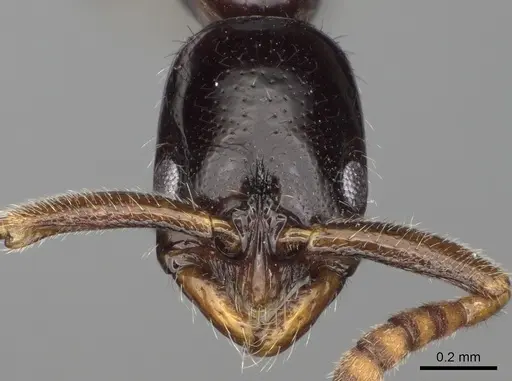
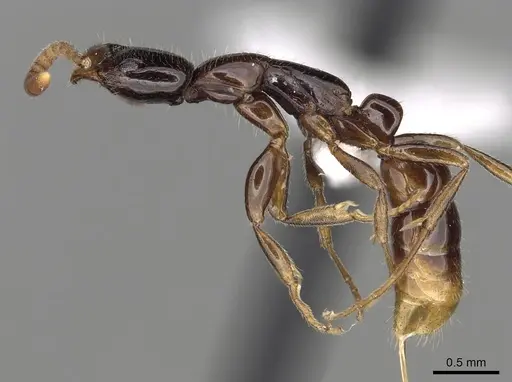
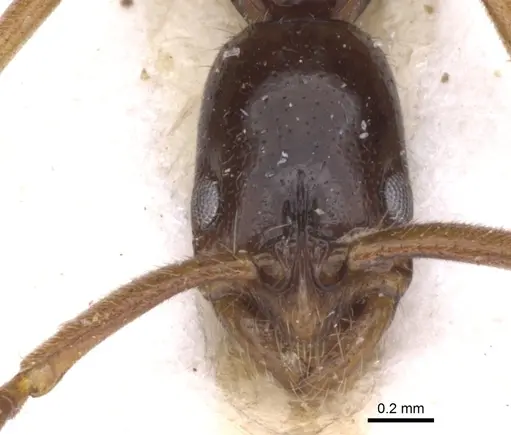
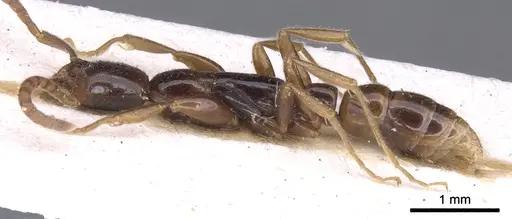
Leptogenys amon is a predatory ant species from the Ponerinae subfamily, found in Central Africa. Workers are slender ants with elongated mandibles typical of the genus. This species was described by Bolton in 1975 from Cameroon, with additional records from Gabon at mid-elevation forest sites around 375m . As a Ponerine ant, they are active hunters with a potent sting. They raid other ant colonies to capture brood, making them challenging to keep due to their predatory nature and specific care requirements.
Quick Summary
- Difficulty: Medium
- Origin & Habitat: Cameroon and Gabon in Central Africa. Found in lowland to mid-elevation tropical forests, specifically recorded at 375m on Monts Doudou in Gabon [1].
- Colony Type: Colony structure is unconfirmed. Based on typical Leptogenys patterns, likely single-queen colonies.
- Size & Growth:
- Queen: ~8-12 mm, inferred from Leptogenys genus patterns
- Worker: Size data unavailable, workers described by Bolton 1975 but measurements not provided in available data
- Colony: Up to several hundred workers, inferred from genus patterns
- Growth: Moderate, Ponerinae generally develop slower than many common ant genera
- Development: Estimated 8-12 weeks at optimal temperature based on related Ponerinae species (Development time is estimated from genus-level data since species-specific timing is unconfirmed)
- Antkeeping:
- Temperature: Keep around 24-28°C. Ponerinae ants are typically warmth-loving, and this range supports their predatory metabolism. A slight gradient allows workers to regulate their temperature.
- Humidity: Moderate to high humidity (60-80%). Forest-dwelling species require damp substrate conditions. Keep the nest substrate consistently moist but not waterlogged.
- Diapause: Likely a mild reduction in activity during dry seasons rather than true hibernation. Tropical origin means they probably don't require cold diapause, but a slight temperature reduction (to around 20-22°C) during winter months may be beneficial.
- Nesting: In captivity, they do well in naturalistic setups with moist substrate or Y-tong nests with chambers scaled to their medium size. They prefer dark, humid nest conditions. Provide a foraging area that allows hunting behavior.
- Behavior: Leptogenys amon is an active predator with aggressive foraging behavior. Workers hunt individually and may coordinate raids on other ant colonies. They have a functional sting that they use to subdue prey. Escape risk is moderate, they're not tiny ants but they're agile and fast. Excellent escape prevention is still recommended. They are defensive of their nest and will sting if threatened.
- Common Issues: predatory feeding can be challenging, they need live prey and may refuse dead food, colonies can be slow to establish in captivity due to their hunting requirements, humidity control is critical, too dry and they decline, too wet and mold becomes a problem, they may raid and kill other ant colonies in multi-species setups, wild-caught colonies may have parasites that are difficult to treat
Housing and Nest Setup
Leptogenys amon does well in naturalistic setups that mimic their forest floor habitat. Use a mix of soil and sand as substrate, kept consistently moist. A Y-tong nest with narrow chambers also works well, provided humidity is maintained. The key is providing a dark, humid nest area connected to a well-lit foraging area. Because they're predatory, the foraging space should be large enough for workers to hunt and explore. Avoid overly vertical nests, they prefer horizontal chambers. Temperature can be controlled with a heating cable on one side of the nest, creating a gradient from around 24°C to 28°C. [1]
Feeding and Diet
As predators, Leptogenys amon requires live prey. They are active hunters that will chase down and sting their prey. Offer small insects like fruit flies, small crickets, mealworms, and other appropriately-sized arthropods. Prey should be alive or recently killed, they typically ignore completely dead food. Feed every 2-3 days, adjusting based on colony size and consumption. A well-fed colony will have workers that appear well-fed (their abdomens will be distended after a successful hunt). Unlike many ants, they are not particularly interested in sugar water or honey, though some keepers report occasional acceptance. The primary protein source should be live insects.
Temperature and Seasonal Care
Maintain temperatures between 24-28°C year-round. This species comes from tropical Central Africa, so they do not require hibernation. However, a slight reduction to around 20-22°C during winter months (or what you interpret as the dry season) may help synchronize their natural rhythms. Avoid temperatures below 20°C as this can weaken and eventually kill the colony. Heating cables placed on top of the nest (never underneath where they can dry out the substrate) work well. Monitor humidity when heating, as warmth increases evaporation. [1]
Behavior and Colony Dynamics
Leptogenys are known for their coordinated raiding behavior, workers will organize attacks on other ant colonies, capturing brood to eat or potentially raise. This makes them fascinating to watch but problematic if you keep other ant species nearby. Workers are aggressive defenders of their nest and will readily sting threats. The sting is functional and can be painful to humans, though not dangerous unless an allergic reaction occurs. Colonies grow moderately, expect several months before the first major wave of workers emerges. Workers are long-legged and fast-moving, capable of covering ground quickly when hunting.
Frequently Asked Questions
Is Leptogenys amon a good beginner ant?
No, Leptogenys amon is not recommended for beginners. They require live prey feeding, specific humidity levels, and warmer temperatures. Their predatory nature and potential for stinging also makes them more challenging than typical ant species.
How long does it take for Leptogenys amon to produce first workers?
Based on related Ponerinae species, expect 8-12 weeks from egg to worker at optimal temperature (around 26°C). Development is slower than many common ant genera like Camponotus or Lasius.
What do Leptogenys amon eat?
They are obligate predators that require live prey. Offer small insects like fruit flies, small crickets, pinhead crickets, and mealworms. They will hunt and sting their prey. Sugar sources are generally not accepted.
Can I keep multiple queens together?
Colony structure is unconfirmed for this specific species. Based on typical Leptogenys behavior, they likely have single-queen colonies. Combining unrelated queens is not recommended without specific evidence of polygyny.
What temperature do Leptogenys amon need?
Keep them warm at 24-28°C. This supports their predatory metabolism and brood development. A slight gradient allows workers to choose their preferred temperature.
Do they need hibernation?
No, as a tropical species from Central Africa, they do not require true hibernation. A slight temperature reduction during winter months may be beneficial but is not mandatory.
Why are my Leptogenys dying?
Common causes include: too low temperature (below 20°C), incorrect humidity (too dry or too wet leading to mold), feeding only dead prey, or stress from disturbance. Ensure live prey is available and conditions match their warm, humid requirements.
Report an Issue
The current care sheet is based fully on literature. See inconsistencies, or something that's incorrect? Please , it will be resolved after review from an admin. Contributing to the blogs tab also helps providing information, to make us be able to further improve the caresheets. Thank you for your support!
References

Bu bakım rehberi şu lisans altındadır: CC BY-SA 4.0 .
Topluluk Blogları
CASENT0317004
AntWeb'de Görüntüle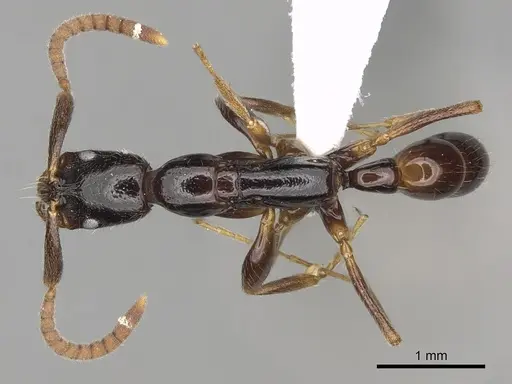
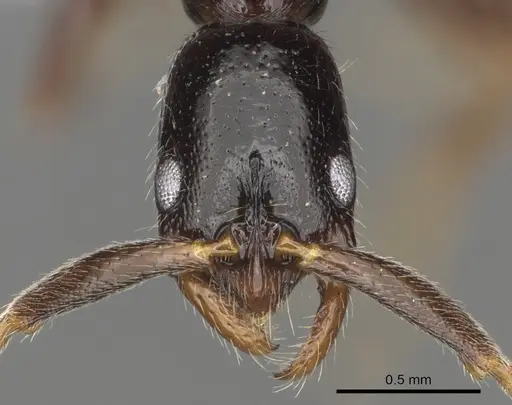
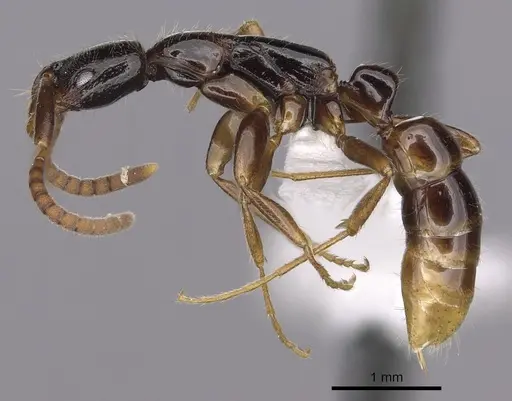
CASENT0317012
AntWeb'de Görüntüle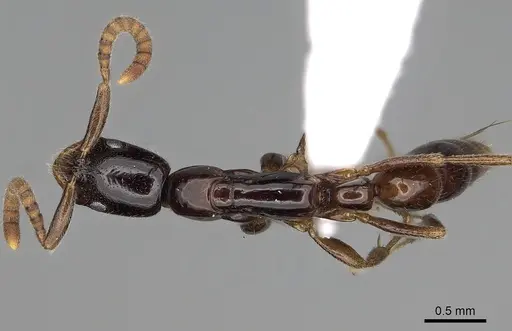
CASENT0815023
AntWeb'de Görüntüle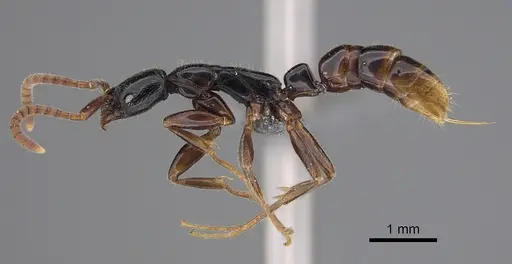
CASENT0902586
AntWeb'de Görüntüle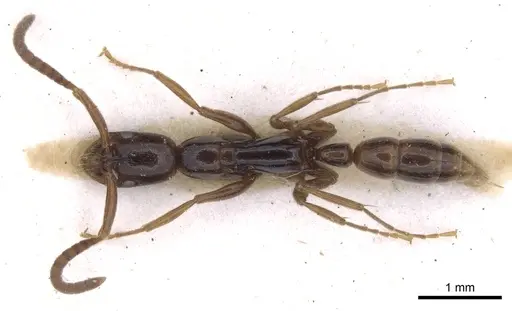
Literatür
Dağılım haritası yükleniyor...Ürünler yükleniyor...