
Leptanilla yunnanensis
- Bilimsel Adı
- Leptanilla yunnanensis
- Oymak (Tribe)
- Leptanillini
- Alt Familya
- Leptanillinae
- Yazar (Tanımlayan)
- Xu, 2002
- Dağılım
- 0 ülkede bulundu
Giriş
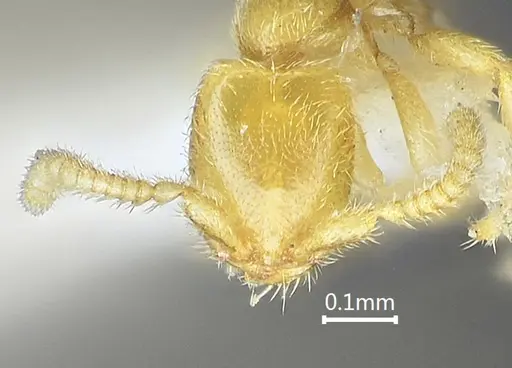
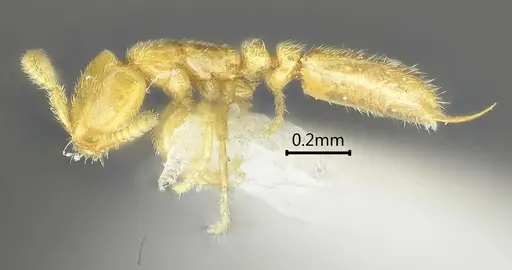
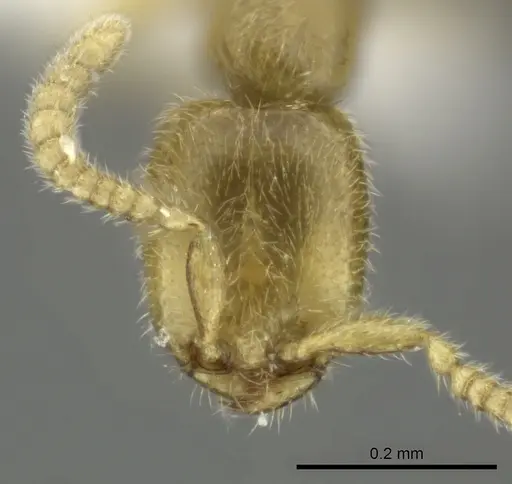
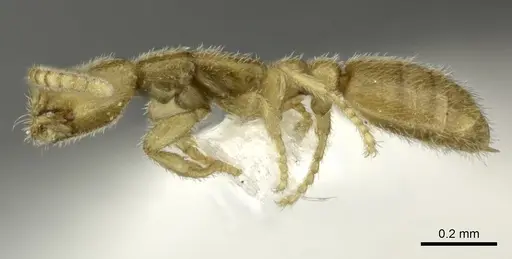
Leptanilla yunnanensis is an extremely tiny ant species native to Yunnan Province, China. Workers measure 1.2-1.44mm in total length, making them among the smallest ants in the world . They have an orange-yellow body with a smooth and shining appearance, and their 12-segmented antennae and 3-toothed mandibles help distinguish them from similar species . The queen is significantly larger at 2.3mm and was found in a colony of 25 workers nesting in soil at approximately 1600m elevation . This species belongs to the Leptanillinae subfamily, which contains some of the most cryptic and rarely encountered ants in the world. What makes this species particularly interesting is how little we know about it in captivity - these ants are so small and secretive that even basic behaviors like feeding and colony growth remain poorly documented.
Quick Summary
- Difficulty: Hard
- Origin & Habitat: Yunnan Province, China, they nest in soil within deciduous broad-leaf forests at around 1600m elevation [1]
- Colony Type: Single-queen colony structure is assumed based on the type colony having one queen and 25 workers [1]. Colony structure beyond this is unconfirmed.
- Size & Growth:
- Queen: 2.3mm [1]
- Worker: 1.2-1.44mm [1]
- Colony: The type colony had 25 workers, maximum colony size has not been documented [1]
- Growth: Unknown, no development data exists for this species
- Development: Unknown, no published development data exists for this species (This is one of the least studied ant species in captivity. Expect slow growth based on their tiny size and typical Leptanilla patterns.)
- Antkeeping:
- Temperature: Aim for 20-26°C, they come from subtropical Yunnan where temperatures are mild year-round. A gentle gradient allowing them to choose their preferred temperature works best.
- Humidity: Keep substrate consistently moist but not waterlogged. Their natural habitat in deciduous broad-leaf forests suggests they prefer humid conditions with good ventilation to prevent mold.
- Diapause: Unknown, no data on overwintering requirements exists. Yunnan has mild winters, so they may not need a true diapause but could benefit from a cool period.
- Nesting: Use a naturalistic setup with moist soil or a Y-tong/plaster nest with tight chambers scaled to their tiny size. They naturally nest in soil, so a substrate-based setup mirrors their wild preferences.
- Behavior: These ants are extremely cryptic and spend most of their time underground. Workers are tiny and pale orange-yellow, making them difficult to spot. They are likely predatory on soil micro-arthropods like springtails, similar to other Leptanilla species. Escape prevention is critical due to their minute size, they can squeeze through gaps that larger ants cannot. They are not aggressive and likely flee from threats rather than defend. Do not expect to see much activity outside the nest.
- Common Issues: their extremely small size makes escape prevention critical, even standard test tube cotton can have gaps large enough for them to squeeze through, no published care information exists, you are essentially pioneering captive husbandry for this species, they may refuse standard ant foods and require live soil micro-arthropods which are difficult to culture, slow growth and cryptic behavior make it hard to assess colony health, humidity control is tricky, too wet causes drowning, too dry causes desiccation
Housing and Nest Setup
Leptanilla yunnanensis requires careful housing due to their minute size. A naturalistic setup with moist soil works best since they naturally nest in soil within deciduous forests. Use a small container with several inches of fine, moist substrate, they will construct their own chambers. Alternatively, a Y-tong or plaster nest with very small chambers can work, but ensure all passages are narrow enough that workers cannot slip through. Test tube setups are risky because workers can squeeze through gaps around cotton and even through water reservoir edges. If using test tubes, wrap parafilm around the connection points and use cotton that is tightly packed. Regardless of setup, escape prevention must be excellent, these ants are so small they can escape through mesh that stops larger species. [1]
Feeding and Diet
The diet of Leptanilla yunnanensis has not been documented, but the genus is known to be predatory on soil micro-arthropods. Based on related Leptanilla species, they likely hunt tiny prey like springtails, mites, and other soil-dwelling invertebrates. Offer live springtails as a primary food source, these are small enough for workers to tackle and provide proper nutrition. Other tiny live prey like fruit fly larvae may be accepted. Sugar sources are unlikely to be accepted, Leptanilla are not known to tend aphids or seek nectar. Do not expect the visible feeding behavior you see with larger ants, workers will likely retrieve prey underground where you cannot observe. Start with very small prey items and monitor for consumption over 24-48 hours before offering more.
Temperature and Humidity
Maintain temperatures in the range of 20-26°C. Yunnan Province has a subtropical climate with mild winters and warm summers, so these ants are adapted to moderate temperatures. Avoid extremes on either end, too cold will slow or stop activity entirely, while excessive heat can dry out the nest quickly. For humidity, aim for consistently moist substrate that feels damp but does not have standing water. The deciduous forest habitat suggests they prefer humid conditions with some ventilation to prevent mold buildup. A hygrometer near the nest helps monitor conditions. If using a heating cable, place it on top of the nest rather than underneath to avoid evaporating moisture too quickly. [1]
Colony Growth and Patience
Expect extremely slow colony growth. The type colony of 25 workers was found in the wild, but we have no data on how long it takes for a colony to reach this size or how many workers a mature colony can produce. As with all tiny ants, the first workers (nanitics) will be smaller than mature workers and may take months to appear. Do not overfeed in an attempt to speed growth, excess food mold kills colonies. Monitor but do not disturb the nest frequently. The biggest mistake keepers make with cryptic species is checking too often, which stresses the colony. Trust that if conditions are correct, the colony will grow on its own timeline. [1]
Handling and Observation
These ants are not suitable for observation-focused keeping. Their tiny size, pale coloration, and subterranean habits mean you will rarely see workers out in the open. The colony will spend most of its time underground in chambers you cannot see into. If you use a transparent nest, minimize disturbances and avoid bright light which they avoid. Do not attempt to handle workers, their size makes them extremely fragile and easily lost. If you need to move the colony, wait until workers are actively foraging and gently coax them into a new container rather than picking up individuals. This species is best appreciated as a fascinating challenge for experienced antkeepers who enjoy the mystery of keeping poorly understood species.
Frequently Asked Questions
How long does it take for Leptanilla yunnanensis to produce first workers?
This is unknown, no published development data exists for this species. Based on their tiny size, expect 2-4 months at optimal temperature, but this is purely an estimate. The first workers will be very small nanitics.
Can I keep Leptanilla yunnanensis in a test tube?
You can, but escape prevention must be excellent. Workers are only 1.2-1.4mm and can squeeze through tiny gaps. Wrap parafilm around all connections and use tightly packed cotton. A naturalistic soil setup may be better since it mirrors their natural nesting in soil.
What do Leptanilla yunnanensis eat?
Based on related Leptanilla species, they are predatory on tiny soil micro-arthropods. Offer live springtails as a primary food. Other tiny live prey may be accepted. Sugar sources are unlikely to be taken.
Are Leptanilla yunnanensis good for beginners?
No, this is a hard species to keep. We have almost no published care information, they are extremely small making housing and escape prevention challenging, and their cryptic behavior makes it difficult to assess colony health. Choose a better-documented species first.
Do Leptanilla yunnanensis ants sting?
They are too small to penetrate human skin. While they likely have a stinger like other ants in the Leptanillinae subfamily, their size makes any sting imperceptible to humans.
How big do Leptanilla yunnanensis colonies get?
Unknown, the type colony had 25 workers, but maximum colony size has not been documented. Given their tiny size, colonies likely remain small, possibly under 100 workers.
Do Leptanilla yunnanensis need hibernation?
Unknown, no data exists on overwintering requirements. Their native Yunnan has mild winters, so they may not need a true diapause but could benefit from a cool period around 15-18°C for a few months.
Why can't I see my Leptanilla yunnanensis workers?
This is normal, Leptanilla are extremely cryptic and spend most of their time underground in soil chambers. Their tiny size and pale orange color also make them hard to spot. You may rarely see workers unless they are actively foraging.
Can I keep multiple Leptanilla yunnanensis queens together?
This has not been documented. The type colony had a single queen, suggesting single-queen colonies. Do not attempt combining unrelated queens, this has not been studied and could result in fighting.
What temperature should I keep Leptanilla yunnanensis at?
Aim for 20-26°C. This range covers their likely preferences based on the subtropical climate of their Yunnan habitat. A gentle gradient allowing workers to choose their preferred temperature is ideal.
Report an Issue
The current care sheet is based fully on literature. See inconsistencies, or something that's incorrect? Please , it will be resolved after review from an admin. Contributing to the blogs tab also helps providing information, to make us be able to further improve the caresheets. Thank you for your support!
References

Bu bakım rehberi şu lisans altındadır: CC BY-SA 4.0 .
Topluluk Blogları
ANTWEB1060532
AntWeb'de Görüntüle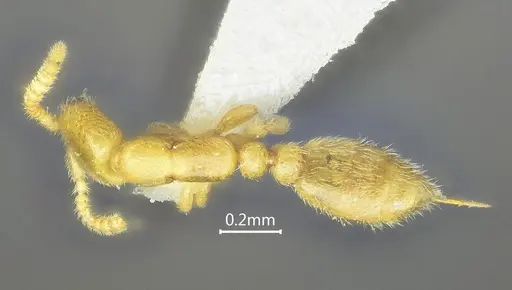
CASENT0235340
AntWeb'de Görüntüle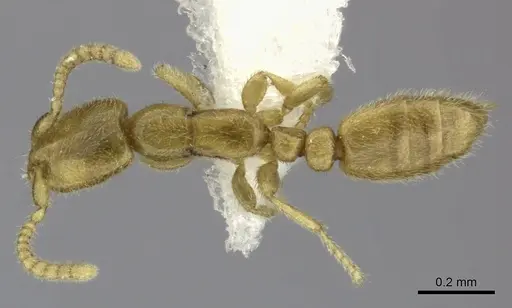
Literatür
Dağılım haritası yükleniyor...Ürünler yükleniyor...