
Leptanilla australis
- Bilimsel Adı
- Leptanilla australis
- Oymak (Tribe)
- Leptanillini
- Alt Familya
- Leptanillinae
- Yazar (Tanımlayan)
- Baroni Urbani, 1977
- Dağılım
- 0 ülkede bulundu
Giriş
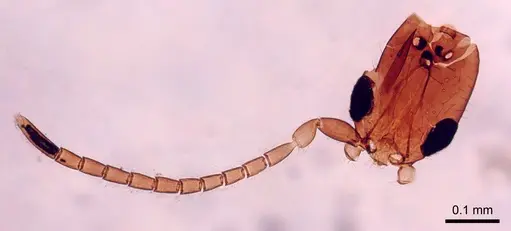
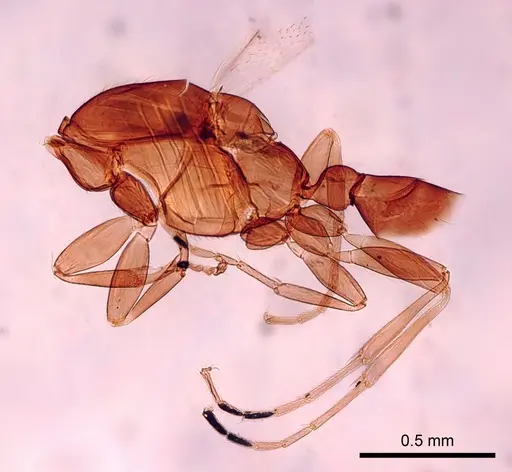
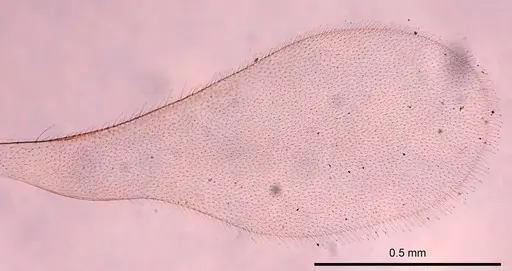
Leptanilla australis is an extremely rare ant species from South Africa, belonging to the subfamily Leptanillinae. Only the male has been scientifically described - the workers and queen remain unknown to science. The species was described in 1977 by Baroni Urbani from a single male specimen collected in South Africa, and no additional specimens have been recorded since . The genus Leptanilla contains some of the smallest ants in the world, with blind, subterranean workers that live in soil chambers. Nothing is known about the colony structure, founding behavior, or captive care requirements of L. australis specifically.
Quick Summary
- Difficulty: Expert
- Origin & Habitat: South Africa, Afrotropical Region. Known only from the type locality in South Africa [1]. No specific habitat data exists.
- Colony Type: Unknown. No colony samples or queen/worker descriptions exist for this species.
- Size & Growth:
- Queen: Size data unavailable, no queen has been described for this species
- Worker: Size data unavailable, no worker has been described for this species
- Colony: Unknown, no colony data exists for this species
- Growth: Unknown, no development data exists
- Development: Unknown, no development data exists for this species (No data available.)
- Antkeeping:
- Temperature: Unknown for this species, no captive data exists
- Humidity: Unknown for this species, no captive data exists
- Diapause: Unknown, no research exists on overwintering behavior
- Nesting: No data exists for this species. Based on genus patterns, they likely prefer dark, humid soil chambers.
- Behavior: No species-specific behavior data exists. Based on genus patterns, these ants are extremely cryptic, spending most of their time underground. Workers are likely blind. They are probably predatory on tiny arthropods. Escape prevention is critical due to their probable minute size.
- Common Issues: no species-specific care data exists, captive keeping would be entirely speculative, no workers or queens have ever been described, tiny size makes escape prevention extremely difficult if specimens become available, no confirmed food acceptance data, no wild colonies available for comparison, may be extinct or extremely rare in the wild
Why This Species Is Extremely Challenging
Leptanilla australis represents one of the most poorly documented ant species in existence. Unlike most ant species where at least workers and queens are known, this species has only ever been described from a single male specimen collected decades ago. No one has documented a colony, observed a queen, or recorded any biological information about this species in the wild or captivity. Every aspect of keeping them, from temperature to diet to colony structure, would be pure speculation. For antkeepers, this makes L. australis essentially unkeepable. There are no established protocols, no success stories to learn from, and no way to verify if captive conditions are appropriate. This is a species for advanced myrmecologists conducting original research, not hobbyist antkeepers. [1]
What We Know About the Genus Leptanilla
While L. australis specifically is unknown, the genus Leptanilla provides some context. Leptanilla species are among the smallest ants in the world. They are blind or nearly so, living their entire lives underground in dark chambers. Colonies are very small. They are predatory, hunting tiny soil arthropods like springtails, mites, and other micro-invertebrates. The subfamily Leptanillinae is ancient and primitive, representing an early branch in ant evolution. These ants are extremely rare in collections because of their subterranean lifestyle and tiny colony sizes. Most Leptanilla species are known from only a handful of specimens.
Housing and Nesting
No captive housing data exists for L. australis. For related Leptanilla species, keepers typically use very small setups with tight chambers. The key requirements appear to be darkness, high humidity, and very small prey items. Workers are probably blind and navigate using chemical trails rather than visual cues. Any nest setup should minimize vibrations and disturbance. The nesting medium should be kept consistently moist but never waterlogged.
Feeding and Diet
The diet of L. australis is completely unconfirmed. However, Leptanilla genus members are predatory, hunting tiny soil invertebrates. In captivity for related species, keepers have success with live springtails, tiny mites, and other micro-arthropods. They are unlikely to accept sugar water or honeydew since they are specialized predators, not sap-feeders. Feeding would need to be frequent with small prey items.
Legal and Ethical Considerations
Leptanilla australis is known only from South Africa. If specimens were to become available (which is extremely unlikely), they would likely be protected under South African wildlife regulations. Export of native ant species is typically restricted. Since this species has never been kept in captivity and may even be extinct or nearly so, attempting to establish a captive colony would be a research endeavor rather than standard antkeeping. Anyone with access to potential specimens should consult with South African authorities and consider whether collection is ethical given the species' extreme rarity. [1]
Frequently Asked Questions
Can I keep Leptanilla australis as a pet ant?
No. This species is essentially unkeepable in captivity. No one has ever documented a colony, workers have never been described, and there is zero information about its care requirements. Even if you obtained specimens, there would be no way to know if your setup is correct. This is a species for scientific research, not antkeeping hobbyists.
Where does Leptanilla australis live?
The species is known only from South Africa, specifically from its type locality. No additional collection records exist, meaning it is either extremely rare, very cryptic, or potentially endangered.
What do Leptanilla australis workers look like?
No one knows. Workers have never been scientifically described or observed. Based on the genus, they would likely be extremely tiny and blind, but this is an educated guess, not confirmed data.
How big do Leptanilla australis colonies get?
Unknown for this species. Typical Leptanilla colonies are very small, but no colony data exists for L. australis specifically.
Do Leptanilla australis ants sting?
Unknown. At their probable tiny size, any sting would be imperceptible to humans even if present.
What do Leptanilla australis eat?
Unconfirmed, but based on genus patterns, they are predatory on tiny soil arthropods like springtails and mites. They almost certainly do not eat sugar water or honeydew.
Is Leptanilla australis endangered?
We do not know. The species has only ever been collected once, decades ago. It may be extinct, extremely rare, or simply overlooked due to its cryptic lifestyle. No population data or conservation status assessment exists.
How long does it take for Leptanilla australis to develop from egg to worker?
Unknown. No development data exists for this species.
Can beginners keep Leptanilla australis?
Absolutely not. This species has no captive care history, no described workers, and no confirmed requirements. Even expert antkeepers would have no framework for keeping this species successfully. The difficulty rating is Expert for good reason, there is nothing to base care on.
Does Leptanilla australis need hibernation?
Unknown. South Africa has mild winters in most of the country, so any diapause requirement would likely be minimal or absent. However, no research exists on the overwintering behavior of this species.
Report an Issue
The current care sheet is based fully on literature. See inconsistencies, or something that's incorrect? Please , it will be resolved after review from an admin. Contributing to the blogs tab also helps providing information, to make us be able to further improve the caresheets. Thank you for your support!
References

Bu bakım rehberi şu lisans altındadır: CC BY-SA 4.0 .
Topluluk Blogları
CASENT0280998
AntWeb'de Görüntüle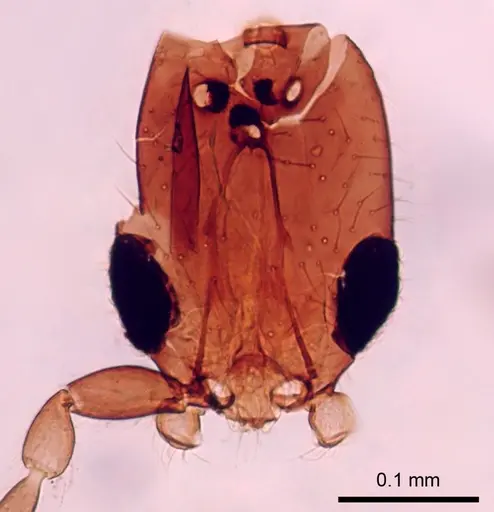
Literatür
Dağılım haritası yükleniyor...Ürünler yükleniyor...