
Lepisiota curta
- Bilimsel Adı
- Lepisiota curta
- Oymak (Tribe)
- Plagiolepidini
- Alt Familya
- Formicinae
- Yazar (Tanımlayan)
- Emery, 1897
- Dağılım
- 0 ülkede bulundu
Giriş
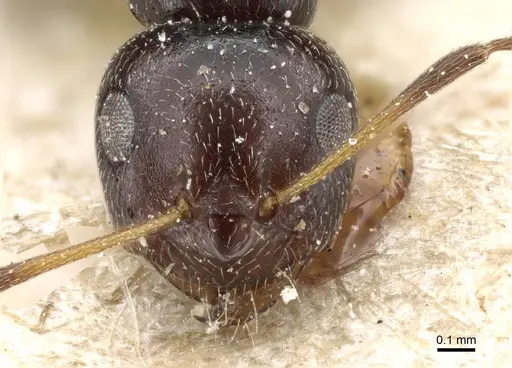
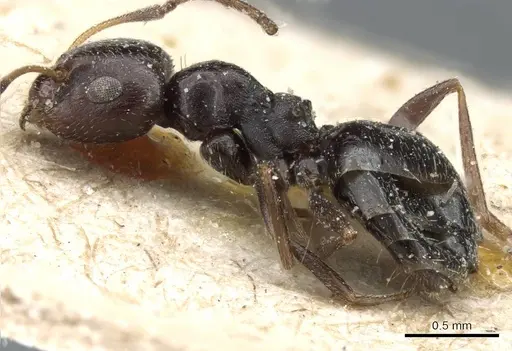
Lepisiota curta is a small ant species native to the Afrotropical region, documented from Democratic Republic of Congo, Eritrea, and Somalia . Workers are typical of the genus Lepisiota, which belongs to the subfamily Formicinae - these ants are known for their relatively small size and active foraging behavior. The species was originally described as Acantholepis curta by Emery in 1897 before being reclassified into Lepisiota by Bolton in 1995 . This is a poorly documented species with almost no scientific study of its biology in the wild. Much of what we know about care must be inferred from genus-level patterns rather than species-specific research. The lack of detailed biological studies makes this a challenging species to keep.
Quick Summary
- Difficulty: Unknown
- Origin & Habitat: Afrotropical region, Democratic Republic of Congo, Eritrea, and Somalia [1][2]. Likely inhabits warm, dry to moderately humid environments typical of savanna and semi-arid habitats in these regions.
- Colony Type: Unconfirmed, colony structure has not been documented for this species.
- Size & Growth:
- Queen: ~6-8mm, inferred from Lepisiota genus
- Worker: ~2-4mm, inferred from Lepisiota genus
- Colony: Unknown, likely several hundred workers based on genus patterns
- Growth: Unknown, likely moderate based on Formicinae patterns
- Development: Unknown, estimated 6-10 weeks based on related Formicinae species (This is a rough estimate, no specific development data exists for L. curta. Temperature will significantly affect development speed.)
- Antkeeping:
- Temperature: Keep at 24-28°C based on their Afrotropical origin, warm conditions are essential. Room temperature (20-24°C) may be acceptable but growth will likely be slower.
- Humidity: Moderate humidity around 50-70%. These ants come from relatively dry regions, so avoid overly damp conditions. Allow the nest to partially dry between waterings.
- Diapause: Unknown, likely minimal or no true diapause given their tropical origin.
- Nesting: They likely prefer dry to moderately humid nests. A Y-tong (AAC) or plaster nest works well for small Formicinae species. Provide a water tube but avoid excessive moisture.
- Behavior: Behavior is unconfirmed but likely similar to other Lepisiota species, active foragers that search for food both on the ground and possibly up plant surfaces. They probably form moderate-sized colonies and may show moderate aggression when defending the nest. Escape risk is moderate due to their small size, use standard barrier methods. They likely have the Formicinae ability to spray formic acid as defense, though this is mild and not dangerous to humans.
- Common Issues: limited species-specific data means care is largely inferential, monitor your colony closely and adjust conditions based on their behavior, tropical origin means they may not tolerate cool temperatures, keep them warm, small worker size means escape prevention should be adequate though not as critical as with tiny species, no data on founding behavior, if you find a queen, expect claustral founding typical of Formicinae but this is unconfirmed for this species
Nest Preferences and Housing
Since specific nesting data does not exist for L. curta, we must infer from what we know about the genus. Lepisiota species typically nest in soil, under stones, or in decaying wood in warm, often dry habitats. For captivity, a Y-tong (AAC) nest or plaster nest works well, both provide good humidity control and allow you to observe the colony easily. Given their small size, ensure any connections between nest and outworld are not too large. A test tube setup can work for founding colonies, but you will need to move them to a proper formicarium as the colony grows. The key is providing a warm, relatively dry nest with access to an outworld for foraging.
Feeding and Diet
Like most Formicinae, L. curta is likely a generalist feeder. They probably consume nectar and honeydew in nature, along with small insects and other protein sources. In captivity, offer sugar water or honey water as a constant carbohydrate source. For protein, provide small insects like fruit flies, small mealworms, or cricket pieces. Given their small worker size, prey items should be appropriately sized, nothing larger than the ants themselves. Feed protein 2-3 times per week, and keep sugar water available at all times. Remove uneaten prey after 24 hours to prevent mold.
Temperature and Heating
This species comes from tropical Africa, so warmth is important. Aim for 24-28°C in the nest area, this is warmer than many temperate species require. If your room temperature is below 24°C, consider using a heating cable or heating mat on one side of the nest to create a gentle temperature gradient. Place heating on top of the nest, not underneath, to avoid drying out the nest too quickly. At optimal temperatures, you should see good activity levels and brood development. If workers seem sluggish or cluster together excessively, try raising the temperature slightly.
Colony Founding and Early Development
The founding behavior of L. curta has not been directly documented. However, since this species belongs to the subfamily Formicinae, it most likely follows the claustral founding pattern, the queen seals herself in a small chamber and raises her first workers entirely on stored body fat, never leaving to forage. If you catch a queen, place her in a test tube setup with a water reservoir and keep her warm and undisturbed. Expect the first workers (nanitics) to emerge in 6-10 weeks if temperature is optimal. The queen will likely be larger than workers and should be clearly distinguishable. Do not disturb the founding chamber until workers have emerged, queens need complete darkness and quiet to succeed.
Behavior and Temperament
Specific behavioral observations for L. curta are not documented in scientific literature. However, Lepisiota species in general are known to be active foragers with moderate colony defense. Workers likely search for food individually rather than using mass recruitment. They probably can spray formic acid as a defense mechanism, this is standard for Formicinae but is mild and not harmful to humans. The colony is likely moderately aggressive when threatened but not particularly swarming. Escape risk is present due to their small size, so use standard barrier methods like fluon on the outworld rim. They are diurnal and likely most active during warmer parts of the day.
Frequently Asked Questions
How long does it take for Lepisiota curta to go from egg to worker?
This has not been directly studied for L. curta. Based on related Formicinae species, expect approximately 6-10 weeks at optimal temperature (24-28°C). Cooler temperatures will slow development significantly.
What do Lepisiota curta ants eat?
They are generalist feeders. Offer sugar water or honey water constantly, and provide small insects like fruit flies or small mealworms 2-3 times per week. Remove uneaten prey after 24 hours.
What temperature do Lepisiota curta ants need?
Keep them warm at 24-28°C. Their tropical African origin means they need heat to thrive. Room temperature may be too cool for optimal growth.
Are Lepisiota curta ants good for beginners?
This is difficult to say, there is very limited information about keeping this species in captivity. The lack of species-specific care data makes it challenging even for experienced antkeepers. We recommend starting with better-documented species until more information becomes available.
How big do Lepisiota curta colonies get?
Colony size has not been documented for this species. Based on typical Lepisiota genus patterns, colonies likely reach several hundred workers.
Can I keep multiple Lepisiota curta queens together?
The colony structure of this species is unconfirmed. We do not have data on whether they are single-queen (monogyne) or multi-queen (polygyne). Combining unrelated queens is not recommended without species-specific data.
What is the best nest type for Lepisiota curta?
A Y-tong (AAC) nest or plaster nest works well. They prefer relatively dry conditions, so ensure good ventilation and avoid overwatering. The nest should be warm and provide a temperature gradient if possible.
Where is Lepisiota curta found?
This species is native to the Afrotropical region, specifically documented from Democratic Republic of Congo, Eritrea, and Somalia.
Do Lepisiota curta ants need hibernation?
Given their tropical African origin, they likely do not require true hibernation. They may reduce activity during cooler periods, but a full diapause is probably not necessary.
Report an Issue
The current care sheet is based fully on literature. See inconsistencies, or something that's incorrect? Please , it will be resolved after review from an admin. Contributing to the blogs tab also helps providing information, to make us be able to further improve the caresheets. Thank you for your support!
References

Bu bakım rehberi şu lisans altındadır: CC BY-SA 4.0 .
Topluluk Blogları
CASENT0905151
AntWeb'de Görüntüle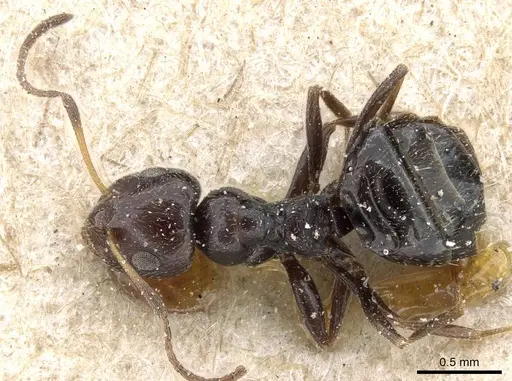
Literatür
Dağılım haritası yükleniyor...Ürünler yükleniyor...