
Gnamptogenys andersoni
- Bilimsel Adı
- Gnamptogenys andersoni
- Oymak (Tribe)
- Ectatommini
- Alt Familya
- Ectatomminae
- Yazar (Tanımlayan)
- MacKay & MacKay, 2008
- Dağılım
- 0 ülkede bulundu
Giriş
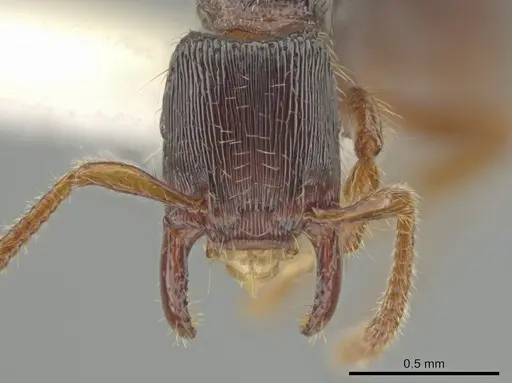
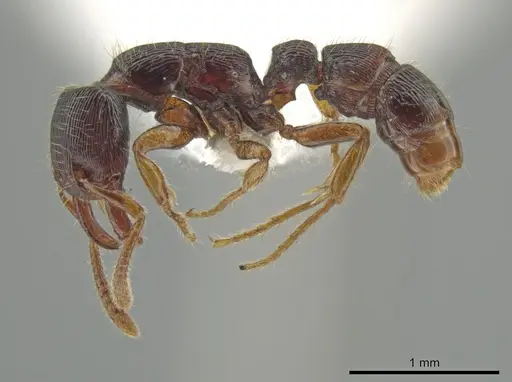
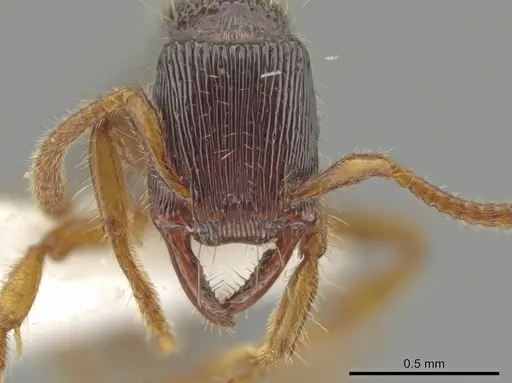
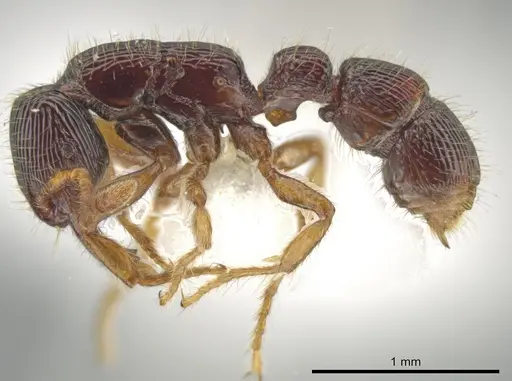
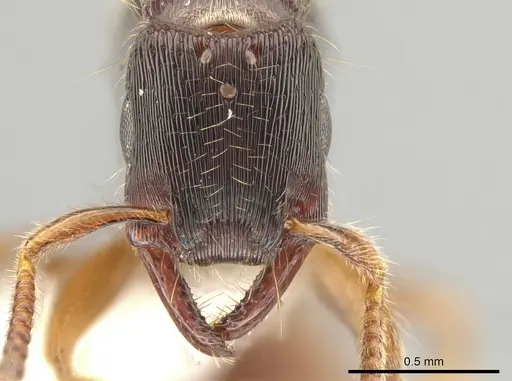
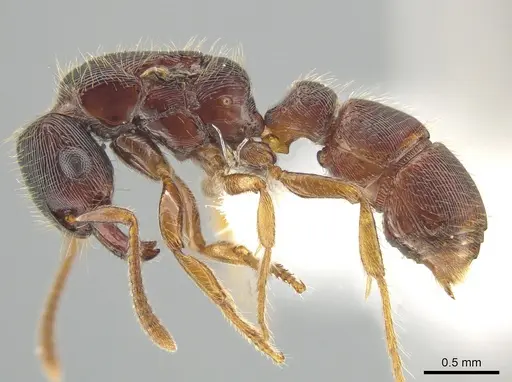
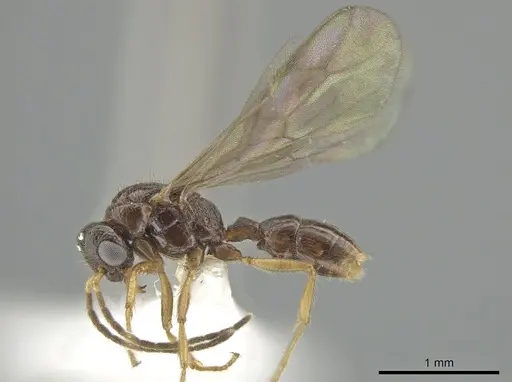
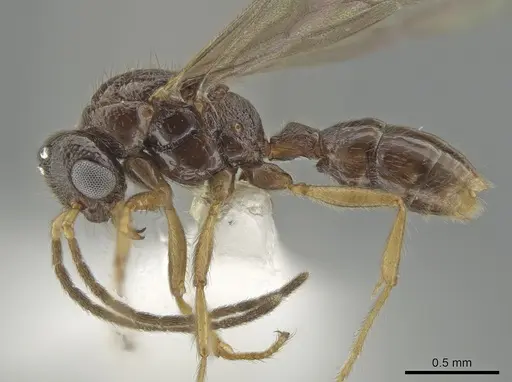
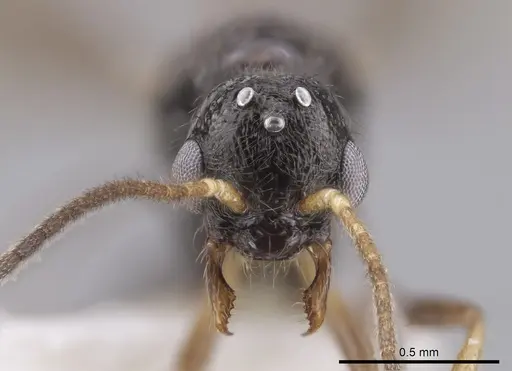
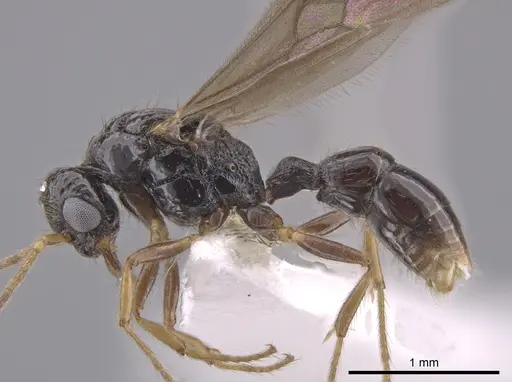
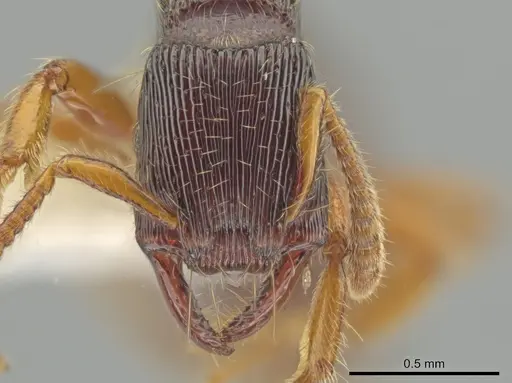
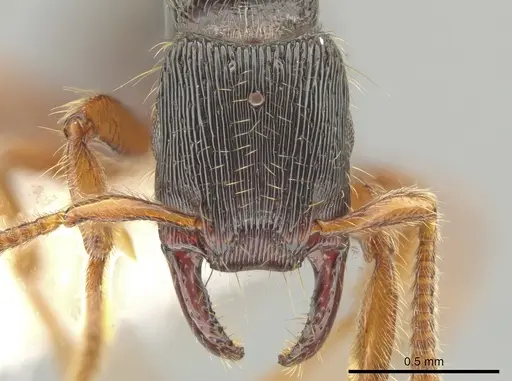
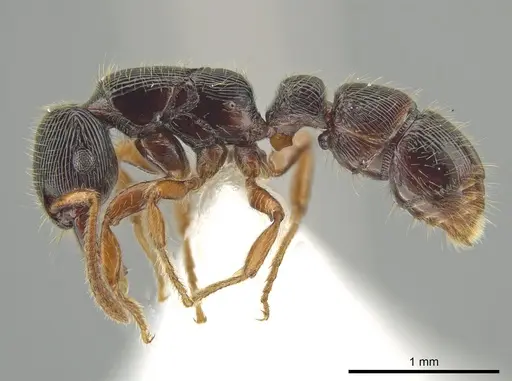
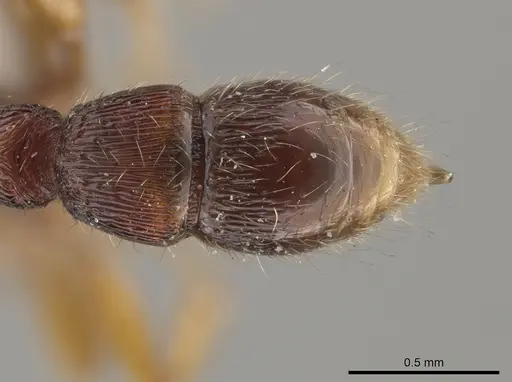
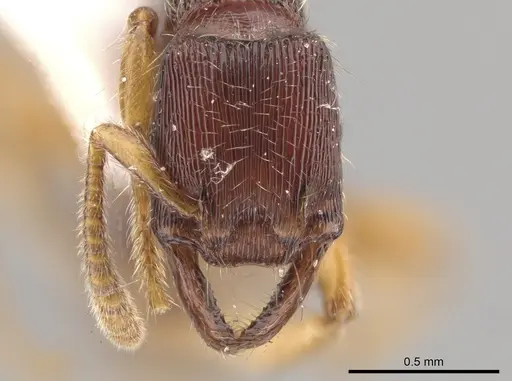
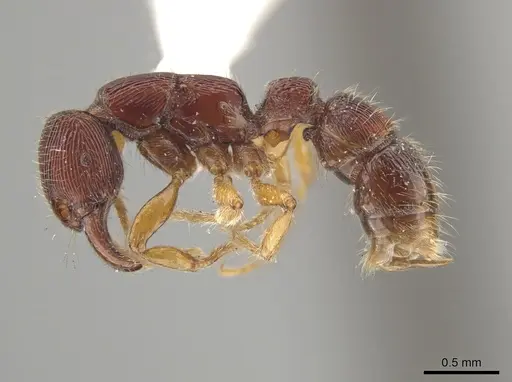
Gnamptogenys andersoni is a tiny predatory ant species from the rainforests of Panama, Costa Rica, and Colombia. Workers measure approximately 3mm in total length, making them one of the smaller ectatommine ants. They have distinctive longitudinal ridges (costae) covering their head, mesosoma, and petiole, with short scapes that reach about three-quarters of the distance to the posterior corner of the head. Their mandibles are subfalcate (curved like a sickle) and cross only near the tip. These ants live in humid montane and cloud forests, where they forage in the leaf litter layer . What makes G. andersoni interesting is its specialized leaf litter habitat - these tiny predators are rarely seen but play an important role in the forest floor ecosystem. They are very similar to the related species Gnamptogenys stellae but can be distinguished by their smaller size (G. stellae reaches 4.5mm) and the presence of a metacoxal tooth . All known specimens have been collected through leaf litter extraction, indicating they nest and forage in the dark, humid microhabitat of the forest understory.
Quick Summary
- Difficulty: Medium
- Origin & Habitat: Panama, Costa Rica, and Colombia, found in humid montane forest, cloud forest, and hardwood forest habitats [1][2][4]
- Colony Type: Colony structure is unconfirmed. Based on typical Gnamptogenys patterns, likely single-queen (monogyne) colonies.
- Size & Growth:
- Queen: Unconfirmed, no queen description is available in the literature.
- Worker: Approximately 3mm total length [2][3].
- Colony: Unknown, likely small colonies based on typical leaf-litter ant patterns.
- Growth: Unknown, estimated moderate based on related ectatommine species.
- Development: Unconfirmed. Based on typical Gnamptogenys and small tropical ant patterns, estimate 6-10 weeks at optimal temperature. (Development timeline is not directly studied. This is an estimate based on genus-level patterns for small predatory ants.)
- Antkeeping:
- Temperature: Keep around 22-26°C. This range reflects their cloud forest origin, warm but not hot, with stable temperatures. Avoid temperatures above 30°C.
- Humidity: High humidity is essential. These ants come from perpetually damp cloud forests. Keep the nest substrate consistently moist but not waterlogged. The substrate should feel damp to the touch. Mist regularly and consider a water reservoir in the outworld.
- Diapause: Unconfirmed, likely no true diapause given their tropical distribution. However, they may show reduced activity during cooler or drier periods.
- Nesting: These ants naturally nest in leaf litter and rotting wood on the forest floor. In captivity, they do well in naturalistic setups with moist substrate or in test tubes with a water reservoir. Y-tong nests also work well. The key is maintaining high humidity while allowing some ventilation to prevent mold.
- Behavior: Gnamptogenys andersoni is a predatory leaf litter ant. They hunt small invertebrates like springtails, mites, and other micro-arthropods in the substrate. Workers have a stinger typical of Ectatomminae, though their tiny size makes it unlikely to penetrate human skin. They are probably nocturnal or crepuscular, foraging through the leaf litter layer. Escape prevention is important, at 3mm, they can slip through small gaps. Use fine mesh and tight-fitting lids.
- Common Issues: high humidity requirements can lead to mold problems if ventilation is inadequate, small size makes escape likely without proper barriers, predatory diet means they need live prey, sugar sources are unlikely to be accepted, slow colony growth may frustrate beginners expecting rapid development, wild-caught colonies may have parasites that affect survival in captivity
Housing and Nest Setup
Gnamptogenys andersoni requires a setup that mimics their natural leaf litter habitat. A naturalistic terrarium-type setup works well, use a container filled with moist substrate. Keep the substrate consistently damp but not soggy. A test tube setup with a water reservoir can also work, but you will need to maintain high humidity around it. Y-tong nests are another option, choose one with chambers appropriately sized for these tiny ants. Regardless of nest type, always provide an outworld (foraging area) connected to the nest. The outworld should have a water tube for drinking and a protein food source. [1][2]
Feeding and Diet
As predatory ectatommine ants, G. andersoni needs a protein-rich diet. Their primary food should be small live prey, springtails are ideal and most readily accepted. Other suitable prey includes fruit flies, tiny crickets, small mealworms, and other micro-arthropods. Offer protein 2-3 times per week, removing any uneaten prey after 24 hours. Sugar sources are unlikely to be accepted, these are specialized predators, not sugar-feeding ants. Some keepers report success with occasional honeydew or very dilute sugar water, but do not rely on it. Always ensure fresh water is available.
Temperature and Humidity
Maintain temperatures between 22-26°C. These ants come from cloud forests where temperatures are warm but moderate and stable. Avoid temperatures above 30°C, as this can stress or kill the colony. A simple way to achieve this is keeping the ant room at normal room temperature, most homes fall within this range. If needed, a heating cable placed on one side of the nest can raise temperatures slightly. Humidity is critical, aim for high relative humidity. Mist the nest regularly and consider using a water reservoir. The substrate should feel damp, not wet. Good ventilation helps prevent mold while maintaining humidity. [1][2]
Behavior and Temperament
Gnamptogenys andersoni is a shy, secretive ant that spends most of its time in the leaf litter and substrate. Workers are small (3mm) and likely forage primarily at night or during crepuscular hours. They are predatory and will hunt small invertebrates in the substrate. While they have a stinger (typical of Ectatomminae), their tiny size makes it unlikely to penetrate human skin. They are not aggressive toward keepers and will flee rather than attack when disturbed. The main concern for keepers is escape prevention, at 3mm, these ants can squeeze through surprisingly small gaps. Always use fine mesh on any ventilation holes and ensure lids fit tightly. [2]
Colony Development
Colony development for G. andersoni is not well documented in scientific literature. Based on typical Gnamptogenys patterns and the small size of workers, colonies likely grow moderately slowly. The queen has not been described in the literature. Founding behavior is unconfirmed, the queen may seal herself in a chamber and raise the first workers on stored body fat, or she may require feeding. First workers will likely be smaller than normal workers. Expect the colony to remain small, leaf litter ant colonies typically remain modest in size. Patience is key with this species.
Frequently Asked Questions
How long does it take for Gnamptogenys andersoni to produce first workers?
The exact timeline is unconfirmed. Based on typical Gnamptogenys and small tropical ant patterns, expect 6-10 weeks from egg to first worker at optimal temperature (22-26°C). This is an estimate, actual development time may vary.
Can I keep Gnamptogenys andersoni in a test tube setup?
Yes, test tubes work well for this species. Use a test tube with a water reservoir and keep it in a humid environment. However, you must maintain high humidity, mist regularly and consider covering the setup to prevent drying. A naturalistic setup with moist substrate may be easier for maintaining proper humidity.
What do Gnamptogenys andersoni ants eat?
They are predatory ants that need live protein. Feed small live prey like springtails, fruit flies, tiny crickets, or small mealworms. Offer protein 2-3 times per week. Sugar sources are unlikely to be accepted, these are specialized predators.
Do Gnamptogenys andersoni ants sting?
Yes, they have a stinger as members of the Ectatomminae subfamily. However, at 3mm total length, their stinger is extremely tiny and unlikely to penetrate human skin. They are not aggressive and will flee from disturbance rather than sting.
How big do Gnamptogenys andersoni colonies get?
Colony size is not well documented. Based on typical leaf litter ant patterns and their small worker size, colonies likely remain small. They are not a rapidly expanding species.
Do Gnamptogenys andersoni need hibernation?
No, these ants come from tropical cloud forests in Panama, Costa Rica, and Colombia where temperatures remain warm year-round. They do not require a hibernation period. However, they may show reduced activity during cooler periods.
Are Gnamptogenys andersoni good for beginners?
They are rated as medium difficulty. While not the easiest species, they are manageable for keepers who can maintain high humidity and provide live prey. They are not recommended as a first ant, but experienced antkeepers should have success. Their main challenges are humidity maintenance and the need for live food.
When should I move Gnamptogenys andersoni to a formicarium?
Wait until the colony has at least 15-20 workers before moving to a formicarium. Foraging in a test tube setup is fine for small colonies. When moving, ensure the new setup maintains the same high humidity conditions they are used to.
Why are my Gnamptogenys andersoni dying?
Common causes include: too low humidity (they need consistently damp conditions), temperatures too high (above 30°C) or too low, lack of live prey, mold from poor ventilation, or escape through small gaps. Check all of these parameters and adjust accordingly. Wild-caught colonies may also have parasites.
Can I keep multiple queens together?
This has not been documented for this species. Based on typical Gnamptogenys patterns, they likely have single-queen colonies. Combining unrelated queens is not recommended, there is no evidence they can found colonies pleometrotically (together).
Report an Issue
The current care sheet is based fully on literature. See inconsistencies, or something that's incorrect? Please , it will be resolved after review from an admin. Contributing to the blogs tab also helps providing information, to make us be able to further improve the caresheets. Thank you for your support!
References

Bu bakım rehberi şu lisans altındadır: CC BY-SA 4.0 .
Topluluk Blogları
CASENT0610799
AntWeb'de Görüntüle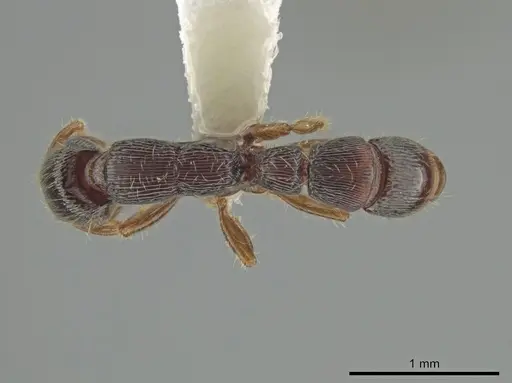
CASENT0611555
AntWeb'de Görüntüle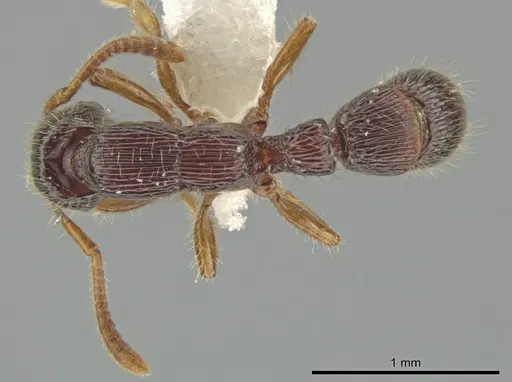
CASENT0612420
AntWeb'de Görüntüle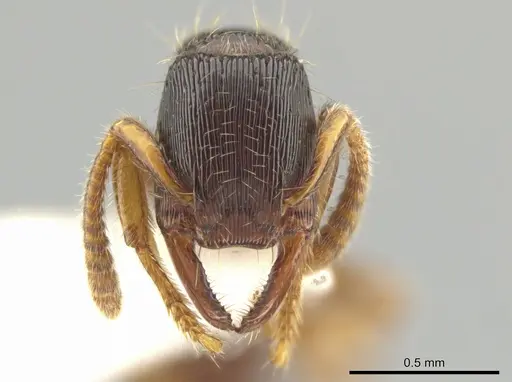
CASENT0618397
AntWeb'de Görüntüle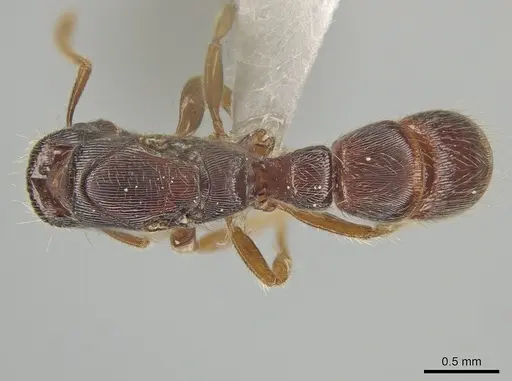
CASENT0618814
AntWeb'de Görüntüle
CASENT0627719
AntWeb'de Görüntüle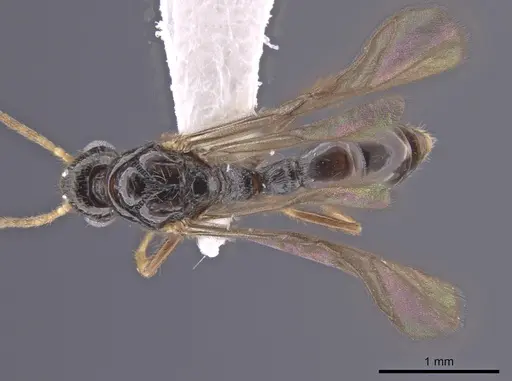
CASENT0628908
AntWeb'de Görüntüle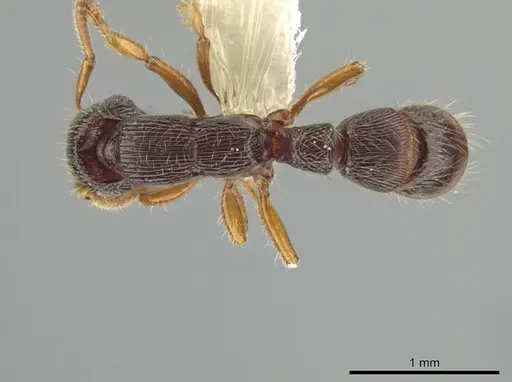
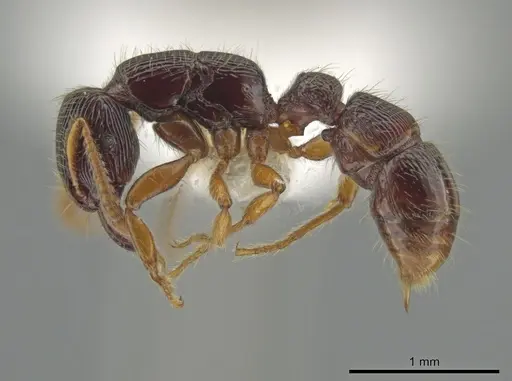
CASENT0635138
AntWeb'de Görüntüle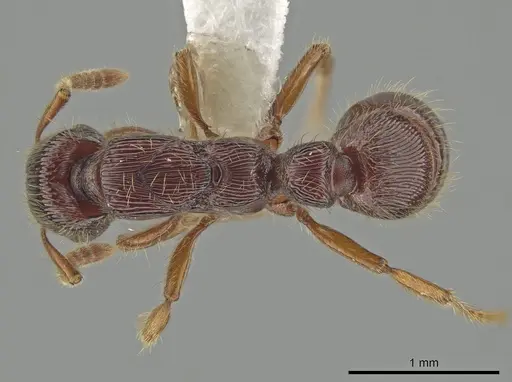
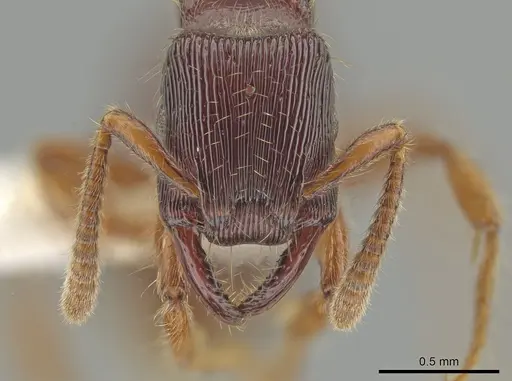
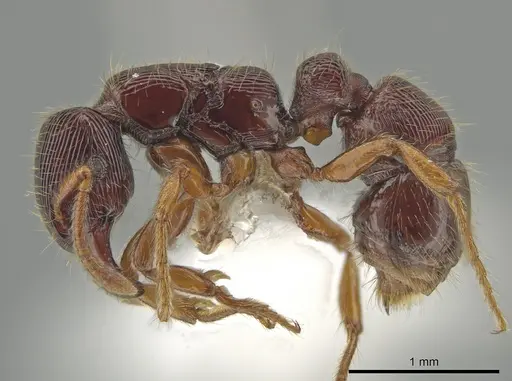
CASENT0649815
AntWeb'de Görüntüle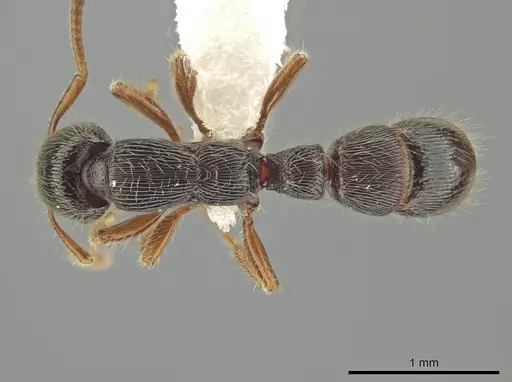
ICN103567
AntWeb'de Görüntüle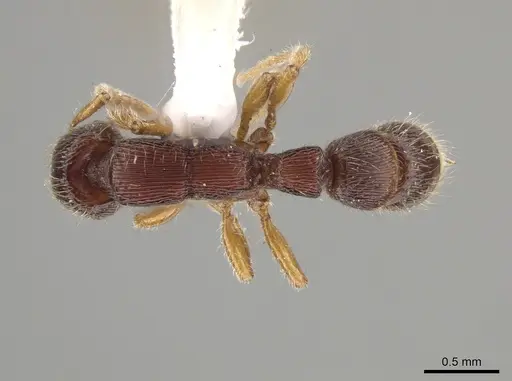
Literatür
Dağılım haritası yükleniyor...Ürünler yükleniyor...