
Ectomomyrmex sumatranus
- Bilimsel Adı
- Ectomomyrmex sumatranus
- Oymak (Tribe)
- Ponerini
- Alt Familya
- Ponerinae
- Yazar (Tanımlayan)
- Özdikmen, 2010
- Dağılım
- 0 ülkede bulundu
Giriş
Ectomomyrmex sumatranus is a medium-sized ant species native to the island of Sumatra, Indonesia . Workers are dark reddish-brown to black. This species was originally described in 1925 as Pachycondyla sculpturata, but the name was changed in 2010 to Ectomomyrmex sumatranus after it was discovered the epithet was preoccupied . The genus Ectomomyrmex contains approximately 30 species distributed across Asia and Australasia. These ants inhabit tropical forest environments and are members of the Ponerinae subfamily, known for their active hunting behavior and functional stingers.
Quick Summary
- Difficulty: Medium
- Origin & Habitat: Sumatra, Indonesia, tropical forest environments [1][3]
- Colony Type: Colony structure is unconfirmed for this species.
- Size & Growth:
- Queen: Size data unavailable, inferred from genus Ectomomyrmex patterns (~10-14mm)
- Worker: Size data unavailable, inferred from genus Ectomomyrmex patterns (~6-10mm)
- Colony: Size data unavailable
- Growth: Unknown
- Development: Specific data unavailable, estimated 8-12 weeks based on related Pachycondyla species (Development time is estimated from related species)
- Antkeeping:
- Temperature: Keep at 24-28°C (tropical warmth). A heating cable on one side of the nest creates a gradient for the ants to regulate their temperature.
- Humidity: High humidity (70-80%), these are tropical forest ants. Keep the nest substrate consistently moist but not waterlogged.
- Diapause: No, as a tropical species, they do not require hibernation. Maintain warm temperatures year-round.
- Nesting: In captivity, they do well in Y-tong or plaster nests with good moisture retention. Provide a dark, humid nesting area with access to an outworld for foraging.
- Behavior: Ectomomyrmex sumatranus is a Ponerine ant with a functional stinger. They will sting defensively if threatened. Specific behavioral observations for this species are limited in available literature. Escape prevention is important, they are active foragers and will explore gaps.
- Common Issues: predatory diet means they need live prey, failure to provide appropriate protein sources will cause colony decline, high humidity requirements can lead to mold if ventilation is inadequate, stinging behavior means they should be handled with care, tropical species will suffer if temperatures drop below 22°C, limited availability in the antkeeping hobby means established colonies are rare
Housing and Nest Setup
Ectomomyrmex sumatranus does well in Y-tong or plaster nests that can hold moisture. These are medium-sized ants that need chambers appropriately scaled to their worker size. The nest should be kept dark, Ponerine ants often prefer dim conditions. Provide a well-defined outworld connected to the nest where you can offer food. Because they are tropical and require high humidity, choose a nest material that retains moisture well without becoming waterlogged. A water reservoir connected to the nest via cotton or foam works well to maintain humidity through wicking.
Feeding and Diet
As Ponerine ants, Ectomomyrmex sumatranus requires a protein-rich diet. Offer small insects such as fruit flies, small crickets, mealworms, and other appropriately sized invertebrates. They will likely accept dead prey as well, but the movement of live prey often triggers their hunting response. Sugar sources may be accepted occasionally, you can offer a drop of honey or sugar water, but protein should be the primary food source. Feed every 2-3 days, adjusting based on colony size and consumption. Remove uneaten prey after 24-48 hours to prevent mold.
Temperature and Humidity
Maintain temperatures between 24-28°C for optimal colony health and development. These are tropical ants from Sumatra, so they do not tolerate cool conditions. A heating cable placed on one end or side of the nest creates a temperature gradient allowing the ants to self-regulate. Keep humidity high at 70-80%. The nest substrate should feel consistently moist but not have standing water. Monitor condensation levels in the nest, some condensation is good but excessive moisture can lead to mold problems. Room temperature alone may be insufficient if your home is below 24°C.
Behavior and Temperament
Ectomomyrmex sumatranus is a Ponerine ant with a functional stinger. They possess a stinger and will use it defensively if the colony is threatened. They are not particularly aggressive toward humans unless provoked, but disturbing the nest will result in defensive stinging. Specific behavioral observations for this species are limited in available literature. They are primarily nocturnal or crepuscular in activity patterns, which is common for many Ponerine ants.
Colony Development
Colony growth in Ectomomyrmex sumatranus follows the typical Ponerine pattern, slower than many common ant species but steady. A newly mated queen will found her colony claustrally (sealed in a chamber, living off stored fat reserves) until the first workers emerge. The first workers (nanitics) are typically smaller than mature workers. After the nanitics mature, the queen's egg-laying rate increases and the colony begins to grow more steadily. Expect 8-12 weeks from egg to first worker at optimal temperatures based on related species. Specific colony development data for this species is not available.
Frequently Asked Questions
How long does it take for Ectomomyrmex sumatranus to produce first workers?
Expect 8-12 weeks from egg to first worker at tropical temperatures (25-28°C). This is estimated from related Pachycondyla species as specific development data for E. sumatranus is not available.
What do Ectomomyrmex sumatranus eat?
They are predatory ants that need live prey. Feed small insects like fruit flies, small crickets, and mealworms. They may accept dead prey and occasionally sugar sources like honey water, but protein should be their primary diet.
Do Ectomomyrmex sumatranus ants sting?
Yes, they have a functional stinger and will use it defensively. Handle with care and avoid disturbing the nest.
What temperature do Ectomomyrmex sumatranus need?
Keep them warm at 24-28°C. These are tropical ants from Sumatra and do not tolerate cool temperatures. A heating cable can provide supplemental warmth if needed.
Are Ectomomyrmex sumatranus good for beginners?
They are considered intermediate difficulty. Their predatory diet and high humidity requirements make them more challenging than sugar-feeding species.
How big do Ectomomyrmex sumatranus colonies get?
Specific colony size data for this species is not available.
Do Ectomomyrmex sumatranus need hibernation?
No, they are tropical ants and do not require hibernation. Maintain warm temperatures year-round.
What humidity level do Ectomomyrmex sumatranus need?
High humidity (70-80%) is required. Keep the nest substrate consistently moist but not waterlogged.
Can I keep multiple Ectomomyrmex sumatranus queens together?
Colony structure is unconfirmed for this species. Combining unrelated queens is not recommended without documented evidence of success.
What size are Ectomomyrmex sumatranus workers?
Workers are estimated at 6-10mm based on genus patterns. Specific measurements for this species have not been documented in available literature.
When are Ectomomyrmex sumatranus most active?
They are primarily nocturnal or crepuscular, showing more activity during evening and night hours. This is typical for many Ponerine ants.
Where is Ectomomyrmex sumatranus native to?
They are native to Sumatra, Indonesia. The type locality is Loeboe-Bangkoeng on Sumatra, collected in 1913 [1].
Report an Issue
The current care sheet is based fully on literature. See inconsistencies, or something that's incorrect? Please , it will be resolved after review from an admin. Contributing to the blogs tab also helps providing information, to make us be able to further improve the caresheets. Thank you for your support!
References

Bu bakım rehberi şu lisans altındadır: CC BY-SA 4.0 .
Topluluk Blogları
CASENT0916826
AntWeb'de Görüntüle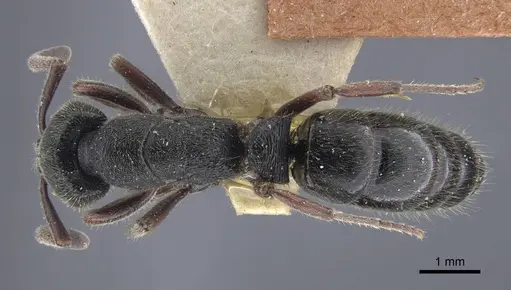
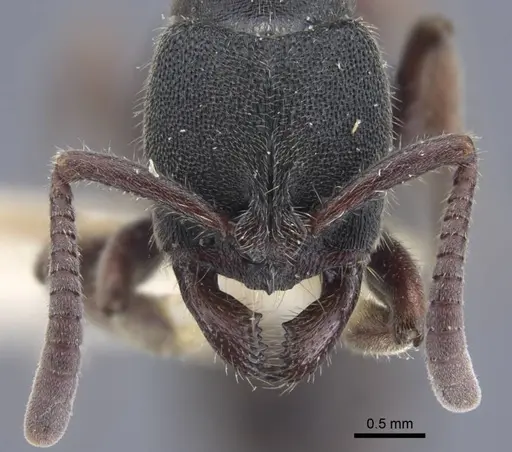
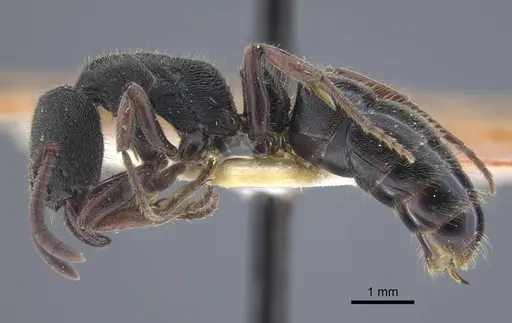
Literatür
Dağılım haritası yükleniyor...Ürünler yükleniyor...