
Dorymyrmex joergenseni
- Bilimsel Adı
- Dorymyrmex joergenseni
- Oymak (Tribe)
- Leptomyrmecini
- Alt Familya
- Dolichoderinae
- Yazar (Tanımlayan)
- Bruch, 1917
- Dağılım
- 0 ülkede bulundu
Giriş
Dorymyrmex joergenseni is a small ant belonging to the Dolichoderinae subfamily, commonly known as cone ants due to their distinctive pyramid-shaped abdomen. Workers measure approximately 3-5mm, with queens being significantly larger. The species has a reddish-brown to dark brown coloration, typical of the genus. This ant was originally described from Catamarca, Argentina, in the Laguna Blanca region . Like other Dorymyrmex species, they are known for building distinctive cone-shaped nest mounds. Unlike many ants, Dolichoderinae species lack a functional sting - they defend by smearing irritating chemical compounds from a slit-like opening at the tip of the abdomen.
Quick Summary
- Difficulty: Medium
- Origin & Habitat: Native to Argentina, specifically the Catamarca region in the Laguna Blanca area. In the wild, these ants inhabit open, dry to semi-arid areas and are commonly found nesting in disturbed ground, along trails, and in sunny, well-drained locations.
- Colony Type: Colony structure is unconfirmed. Based on typical Dorymyrmex genus patterns, likely single-queen colonies.
- Size & Growth:
- Queen: ~7mm, inferred from Dorymyrmex genus
- Worker: ~3-5mm, inferred from Dorymyrmex genus
- Colony: Up to several thousand workers in mature colonies
- Growth: Moderate
- Development: Approximately 6-8 weeks at optimal temperature, inferred from Dolichoderinae patterns (Development timing is inferred from genus-level data, species-specific timing unconfirmed)
- Antkeeping:
- Temperature: Keep nest area at 25-30°C. They prefer warm conditions and are active foragers during warm months.
- Humidity: Low to moderate. These are dry-adapted ants from arid regions. Keep substrate moderately dry with occasional misting. Avoid damp, stagnant conditions.
- Diapause: Yes, likely required. Based on the temperate Argentine location, colonies should undergo a winter rest period of 3-4 months at 10-15°C.
- Nesting: Y-tong (AAC) nests work well for this species. They prefer dry to moderately humid nest chambers. Naturalistic setups with dry substrate and good drainage are also suitable.
- Behavior: Dorymyrmex joergenseni is an active forager and will aggressively defend its nest. Workers are fast-moving and alert, readily patrolling the area around the nest. They lack a functional sting, their defense mechanism involves smearing irritating chemical compounds from a gland opening at the tip of the abdomen. These chemicals can cause skin irritation. Escape prevention is important as they are active and may attempt to explore beyond their enclosure. Their distinctive behavior includes building small cone-shaped mounds around nest entrances.
- Common Issues: skin irritation from chemical defense smearing, handle with caution, escape prevention is important due to their active, fast-moving workers, colonies may become stressed if kept too damp, they prefer dry conditions, winter die-off can occur if diapause conditions are not provided, aggressive defense behavior makes routine colony maintenance challenging
Housing and Nest Setup
Dorymyrmex joergenseni adapts well to various captive setups. Y-tong (AAC) nests work excellently, these provide the dry to moderately humid conditions they prefer. The ants will readily use connected outworlds for foraging. Ensure the outworld has high walls and apply fluon or other barrier solutions to prevent escape. A test tube setup can work for founding colonies, but transfer to a proper formicarium once the colony reaches 20-30 workers. Provide a water tube with cotton as their moisture source. These ants do best with a temperature gradient in the outworld, allowing them to regulate their own body temperature.
Feeding and Nutrition
In captivity, Dorymyrmex joergenseni accepts a typical ant diet. Offer sugar water, honey, or diluted syrup as an energy source, replace every 2-3 days. For protein, provide small insects like fruit flies, small crickets, mealworms, or other appropriately sized prey. They are generalist feeders and will collect both sweet liquids and protein sources. Feed protein 2-3 times per week, adjusting based on colony size and brood production. Remove uneaten prey after 24 hours to prevent mold. A varied diet helps maintain colony health.
Temperature and Seasonal Care
These ants originate from temperate Argentina and require seasonal variation. Keep the nest at 25-30°C during the active season (spring through fall). During winter, provide a diapause period of 3-4 months at 10-15°C. This can be achieved by moving the colony to a cooler location or using a reptile cooler. Do not abruptly stop feeding, gradually reduce food as temperatures drop. Resume normal feeding when temperatures increase in spring. Failure to provide adequate winter rest can weaken or kill colonies over time.
Handling and Safety
Dorymyrmex joergenseni defends by smearing irritating chemical compounds from its abdominal gland. These substances can cause skin irritation or allergic reactions in some people. Workers are quick to defend the colony and will attack perceived threats. Never handle these ants without proper protection. Use long-handled tools for colony maintenance and avoid disturbing the nest unnecessarily. If you come into contact with the chemical secretion, wash the area with soap and water immediately. Those with sensitive skin should avoid keeping this species. Always work in a well-lit area where you can see approaching workers.
Frequently Asked Questions
How long does it take for Dorymyrmex joergenseni to produce first workers?
Based on typical Dolichoderinae development, expect first workers approximately 6-8 weeks after the queen lays her first eggs at optimal temperature (25-28°C). This is an estimate based on genus-level data, as species-specific development timing has not been documented.
Can I keep multiple Dorymyrmex joergenseni queens together?
This is not recommended. Dorymyrmex species are typically single-queen colonies, and multiple queens will likely fight. Only keep one queen per colony setup.
What temperature do Dorymyrmex joergenseni need?
Keep the nest at 25-30°C during the active season. They prefer warm conditions and are most active when temperatures are elevated. A slight temperature gradient allows workers to regulate their own conditions.
Do Dorymyrmex joergenseni need hibernation?
Yes, based on their Argentine origin, they require a winter rest period. Provide 3-4 months at 10-15°C during winter (typically November-February in the Northern Hemisphere).
Are Dorymyrmex joergenseni good for beginners?
This species is not ideal for beginners due to their aggressive defense behavior and the chemical secretions they use. They require careful handling and specific temperature/humidity conditions. Experienced antkeepers will have better success with this species.
How big do Dorymyrmex joergenseni colonies get?
Mature colonies can reach several thousand workers. This is typical for Dorymyrmex species, though exact maximum size for this specific species has not been documented.
What do Dorymyrmex joergenseni eat?
They accept sugar sources (honey, sugar water) and protein (small insects like fruit flies, crickets, mealworms). Feed sugar continuously and protein 2-3 times per week.
When should I move Dorymyrmex joergenseni to a formicarium?
Move from a test tube to a proper nest when the colony reaches 20-30 workers. Ensure the new setup provides appropriate humidity and temperature conditions.
Why are my Dorymyrmex joergenseni dying?
Common causes include: excessive humidity (they prefer dry conditions), incorrect temperatures, stress from disturbance, or failure to provide winter diapause. Check that substrate is not too damp and that temperatures are within the 25-30°C range.
Report an Issue
The current care sheet is based fully on literature. See inconsistencies, or something that's incorrect? Please , it will be resolved after review from an admin. Contributing to the blogs tab also helps providing information, to make us be able to further improve the caresheets. Thank you for your support!
References

Bu bakım rehberi şu lisans altındadır: CC BY-SA 4.0 .
Topluluk Blogları
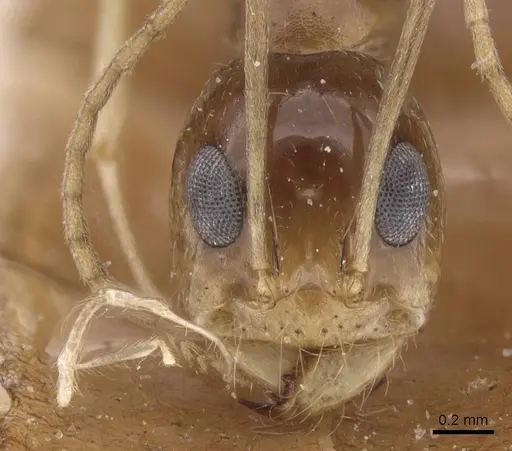
CASENT0911542
AntWeb'de Görüntüle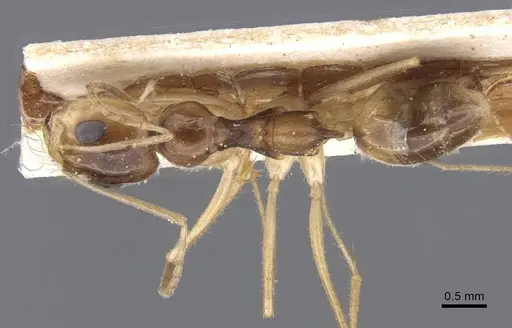
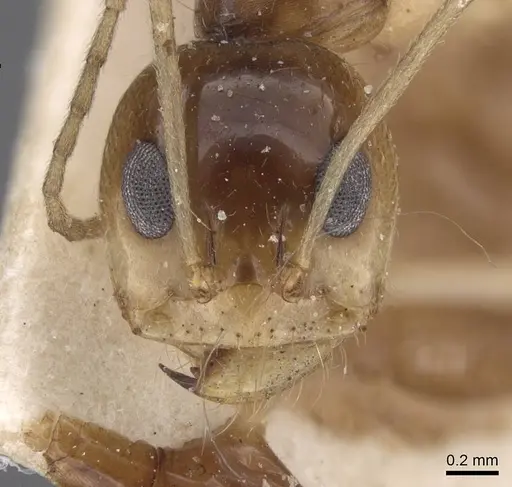
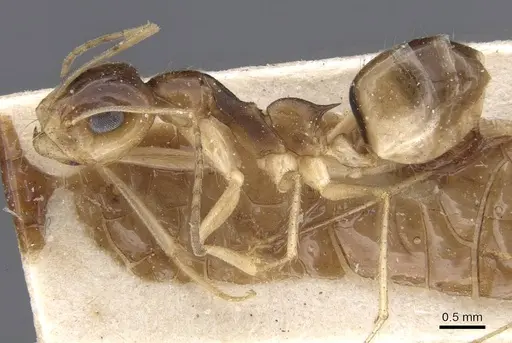
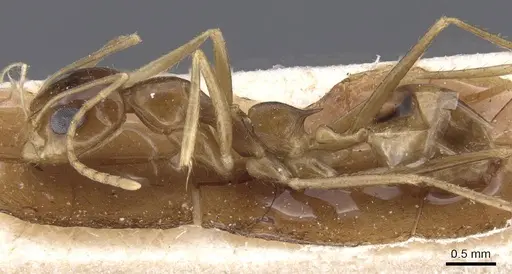
CASENT0911543
AntWeb'de Görüntüle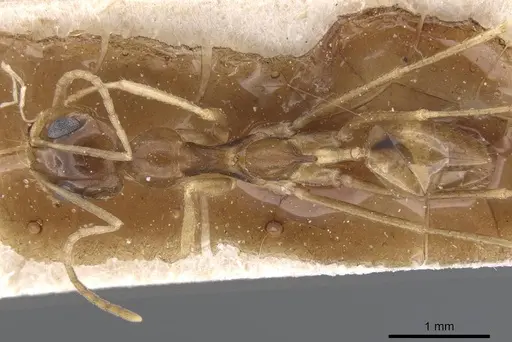
Literatür
Dağılım haritası yükleniyor...Ürünler yükleniyor...