
Dolichoderus gibbus
- Bilimsel Adı
- Dolichoderus gibbus
- Oymak (Tribe)
- Dolichoderini
- Alt Familya
- Dolichoderinae
- Yazar (Tanımlayan)
- Smith, 1861
- Dağılım
- 0 ülkede bulundu
Giriş
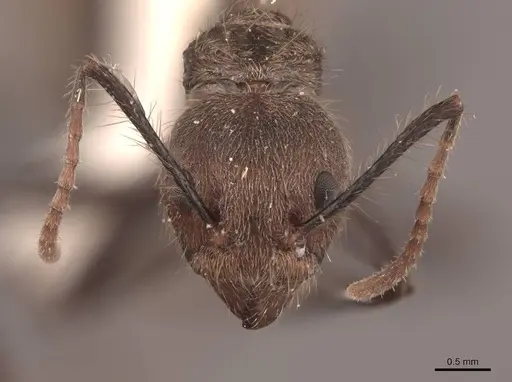
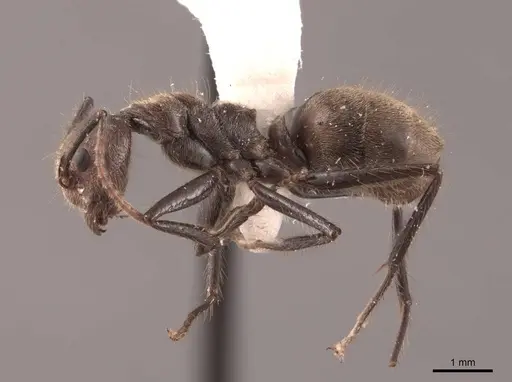
Dolichoderus gibbus is a small ant species originally described by Frederick Smith in 1861 from specimens collected in Tondano, Sulawesi, Indonesia . Workers are typical of the Dolichoderus genus with the characteristic smooth, vaulted mesosoma and single waist segment. The species remains one of the least studied ants in the hobby, with virtually no documented biological information available. What we know comes from the original species description and limited distribution records showing they inhabit the Indomalaya region, specifically Sulawesi and surrounding islands in Indonesia . The genus Dolichoderus is known for its association with sap-sucking insects like mealybugs, which these ants 'milk' for honeydew - a behavior that has earned some Dolichoderus species the common name 'herdsmen ants'.
Quick Summary
- Difficulty: Unknown
- Origin & Habitat: Sulawesi, Indonesia, tropical forest environment [1]
- Colony Type: Unconfirmed
- Size & Growth:
- Queen: size data unavailable
- Worker: size data unavailable
- Colony: Unknown
- Growth: Unknown
- Development: Unknown (No species-specific data available)
- Antkeeping:
- Temperature: Unknown, aim for 24-28°C as a starting point, typical for tropical Indonesian species
- Humidity: Unknown, likely prefers humid conditions similar to other Sulawesi Dolichoderus species
- Diapause: Unknown, tropical species may not require formal diapause
- Nesting: Unknown, likely nests in rotting wood or under bark in nature, similar to related species [2]
- Behavior: Behavior is undocumented. Based on typical Dolichoderus traits, these ants are likely relatively docile and not prone to biting or stinging. They probably tend mealybugs or aphids for honeydew and may be more active during warmer, humid periods. Their small size suggests moderate escape prevention is necessary.
- Common Issues: lack of documented care information makes successful keeping challenging, humidity requirements are unknown, trial and error may be needed, temperature needs are unconfirmed, may be sensitive to cool conditions, feeding preferences are unknown, start with sugar water and small protein sources, wild-caught colonies may have parasites or disease with no documented treatment
Species Background and Distribution
Dolichoderus gibbus was first described in 1861 by Frederick Smith from worker specimens collected in Tondano, located on the island of Sulawesi (historically called Celebes) in Indonesia [1]. The species belongs to the Dolichoderinae subfamily, which contains around 20 genera including the well-known Tapinoma and Linepithema. Within the genus Dolichoderus, approximately 70 species are recognized, primarily distributed throughout the Asia-Pacific region. D. gibbus appears to be endemic to Sulawesi and possibly surrounding islands in the Indonesian archipelago. The original description by Smith was later combined into the genus Dolichoderus by Dalla Torre in 1893. Despite being described over 150 years ago, virtually no biological observations have been published on this specific species, making it one of the least documented ants in the hobby.
What We Know About Dolichoderus Biology
While D. gibbus specifically has no documented biology, the broader Dolichoderus genus provides useful context for understanding what this species might require. Dolichoderus ants are known for their mutualistic relationships with sap-sucking insects, particularly mealybugs and scale insects. Workers 'milk' these insects by stroking them with their antennae, stimulating them to produce honeydew droplets. This carbohydrate source typically forms a significant part of their diet alongside small insects and arthropods. The genus is characterized by their smooth, vaulted mesosoma (the middle body section) and the ability to produce defensive secretions from their anal gland, which gives many species a distinctive odor when disturbed. Most Dolichoderus species studied are monogyne (single-queen colonies) and foundress queens are claustral, sealing themselves in a chamber to raise their first brood alone on stored fat reserves. [2]
Housing and Nesting Recommendations
Since no species-specific nesting data exists, recommendations must be based on typical Dolichoderus preferences and what works for similar tropical ants. In their natural habitat on Sulawesi, they likely nest in rotting wood, under bark, or in hollow twigs, typical microhabitats for forest-dwelling Dolichoderus species. For captivity, a small Y-tong style nest with narrow chambers would be appropriate given their likely small worker size. The nest should have a water chamber to maintain humidity, but avoid oversaturation. Since Sulawesi is a humid tropical environment, aim for moderate to high humidity in the nest. Provide an outworld area for foraging that is easy to clean. Escape prevention should be moderate, these ants are small but not among the tiniest, so standard barrier methods should suffice.
Feeding and Diet
Based on typical Dolichoderus behavior, D. gibbus likely has an omnivorous diet with a strong preference for honeydew or sugar sources. Offer sugar water, honey, or diluted syrup as a constant carbohydrate source. For protein, start with small prey items like fruit flies, pinhead crickets, or small mealworms, appropriately sized to the worker ants. Given their likely small size, prey should be cut into manageable pieces or offered as pre-killed items. Some Dolichoderus species are known to be quite particular about food, so offer variety and observe what your colony accepts. Fresh water should always be available. Since nothing is documented about this species' specific diet, experimentation will be necessary, start with standard ant foods and adjust based on colony behavior.
Temperature and Environmental Needs
As a tropical species from Sulawesi, D. gibbus almost certainly requires warm conditions. Sulawesi maintains temperatures between 22-30°C year-round with high humidity. For captive care, aim to keep the nest in the range of 24-28°C as a starting point. A small heating cable on one side of the nest can create a gentle temperature gradient, allowing workers to regulate their own exposure. Avoid temperatures below 20°C for extended periods, tropical ants are generally not cold-tolerant. Humidity should be moderate to high, mimicking the damp forest floor environment of their native habitat. Monitor your colony's activity levels and adjust conditions if workers seem sluggish (too cool) or clustering near the nest entrance trying to escape heat (too warm).
Behavior and Temperament
Dolichoderus ants are generally known for their docile temperament, they are not aggressive and rarely bite. When threatened, most species will either flee or emit their characteristic defensive secretion rather than attack. This makes them a potentially good choice for observation, though they may not be as interactive as some more active genera. Workers likely forage individually or in small groups, searching for honeydew and small prey. The colony probably grows at a moderate pace, though exact development times are unknown. Given their association with mealybugs in the genus, if you keep this species long-term, providing a safe honeydew source (like a small scale insect colony) might enhance their wellbeing, though this is speculative. [2]
Frequently Asked Questions
How do I care for Dolichoderus gibbus ants?
Unfortunately, no documented care guide exists for this species. Based on typical Dolichoderus requirements, provide a small nest with moderate humidity, keep temperatures warm (24-28°C), and offer sugar water plus small protein prey. This species remains essentially undocumented in antkeeping, so expect a learning curve.
What do Dolichoderus gibbus ants eat?
While not specifically documented, Dolichoderus species typically feed on honeydew from mealybugs or aphids, plus small insects. Offer sugar water, honey, or syrup as a carbohydrate source, and small prey items like fruit flies or small mealworms for protein.
How long does it take for Dolichoderus gibbus to develop from egg to worker?
This is unknown, no species-specific development data exists.
What size colony does Dolichoderus gibbus reach?
Colony size is unconfirmed for this species. Based on typical Dolichoderus patterns, colonies likely reach several hundred workers over time, but this is an estimate.
Can I keep multiple Dolichoderus gibbus queens together?
This is unknown. Most documented Dolichoderus species are monogyne (single queen), but polygyny has been observed in some related species. Without species-specific data, keeping only one queen per colony is the safer approach.
Do Dolichoderus gibbus ants need hibernation?
As a tropical species from Sulawesi, formal hibernation is unlikely required. They may show reduced activity during cooler periods, but a true diapause period is probably not necessary.
What nest type is best for Dolichoderus gibbus?
No specific data exists, but small Y-tong style nests with narrow chambers would likely work well. Provide a water chamber for humidity and ensure the nest can maintain moderate moisture.
Are Dolichoderus gibbus good for beginners?
This cannot be determined. With essentially no documented care information, this species would be challenging even for experienced antkeepers. Consider starting with better-documented species until more information becomes available.
Where is Dolichoderus gibbus found?
Dolichoderus gibbus is native to Sulawesi, Indonesia. The type locality is Tondano on Sulawesi island. They are part of the Indomalaya biogeographic region.
Report an Issue
The current care sheet is based fully on literature. See inconsistencies, or something that's incorrect? Please , it will be resolved after review from an admin. Contributing to the blogs tab also helps providing information, to make us be able to further improve the caresheets. Thank you for your support!
References

Bu bakım rehberi şu lisans altındadır: CC BY-SA 4.0 .
Topluluk Blogları
CASENT0901935
AntWeb'de Görüntüle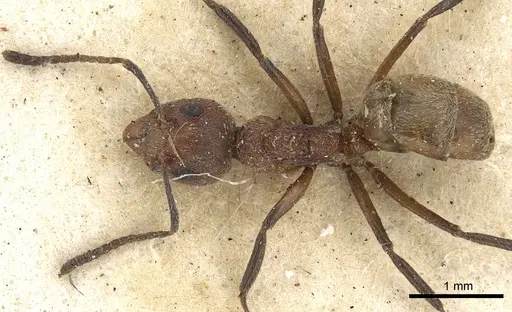
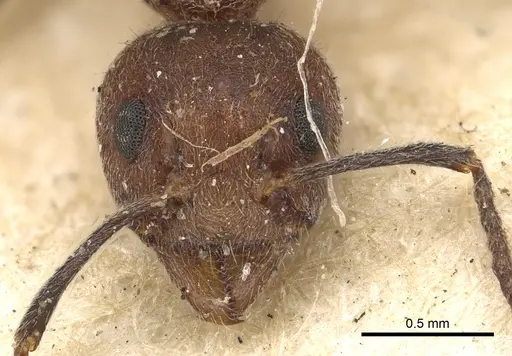
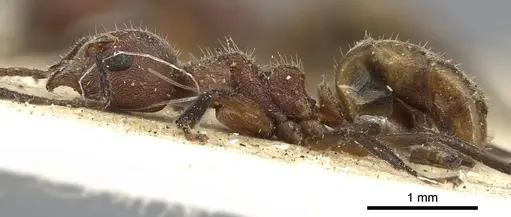
FMNHINS0000045059
AntWeb'de Görüntüle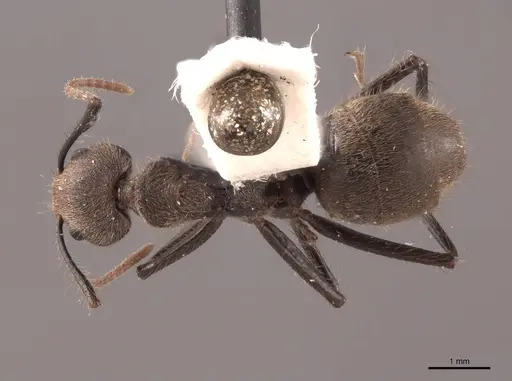
Literatür
Dağılım haritası yükleniyor...Ürünler yükleniyor...