
Diacamma sikkimense
- Bilimsel Adı
- Diacamma sikkimense
- Oymak (Tribe)
- Ponerini
- Alt Familya
- Ponerinae
- Yazar (Tanımlayan)
- Forel, 1903
- Dağılım
- 0 ülkede bulundu
Giriş
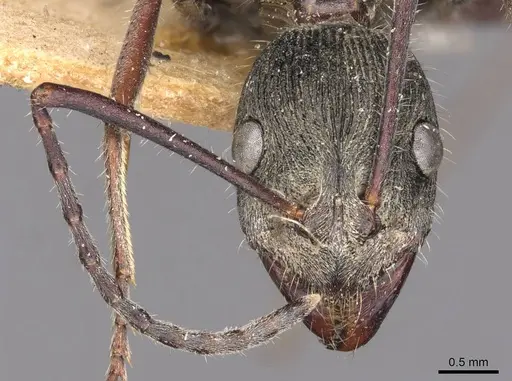
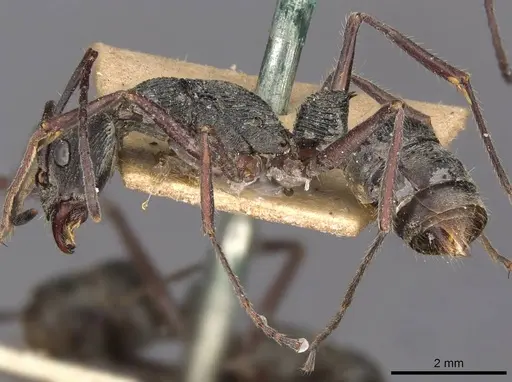
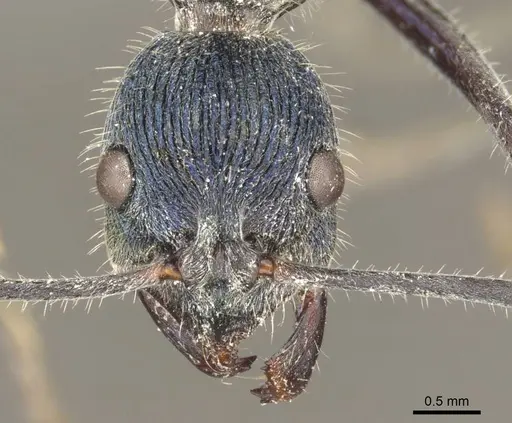
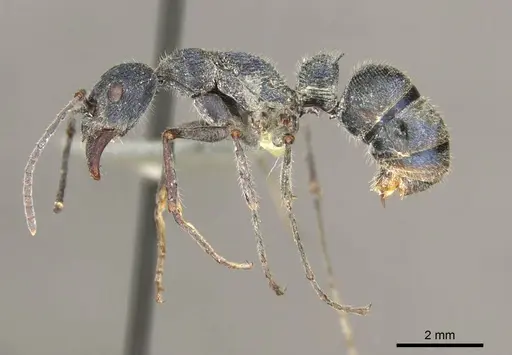
Diacamma sikkimense is a medium-sized ponerine ant native to the eastern Himalayas. Workers measure 11-12mm in total length and have a black body with a subtle bluish shimmer and dense whitish hairs standing up from their surface . The head, body, and first abdominal segment have coarse striations giving them a textured appearance . This species was previously classified as a subspecies of Diacamma rugosum but was elevated to full species status in 2016 . Diacamma ants are known for their gamergate system - workers that become reproductive and can replace the queen, making their social structure unique among ants.
Quick Summary
- Difficulty: Medium
- Origin & Habitat: Found in the eastern Himalayas, recorded from East Sikkim, India and recently from Nepal [1][2]. They inhabit forest floor environments in mountainous regions.
- Colony Type: Queenless, no distinct queen caste, reproduction by gamergates (reproductive workers).
- Queen Status: Queenless Colony
- Colony: Monogyne
- Special: Gamergates
- Size & Growth:
- Queen: Queenless species, reproduction by gamergate (reproductive worker) instead of a distinct queen caste.
- Worker: 11.0-11.8mm [1]
- Colony: Colony size data unavailable
- Growth: Moderate
- Development: Development time unconfirmed for this species (Ponerinae species typically require several weeks to months for complete development.)
- Antkeeping:
- Temperature: Keep at 22-26°C. Being from the Himalayan region, they prefer warm but not extremely hot conditions.
- Humidity: Moderate to high humidity. Keep substrate damp but allow some drying between waterings.
- Diapause: Likely requires a winter rest period given their Himalayan origin. Reduce temperature for 2-3 months during winter.
- Nesting: In nature, they likely nest in soil or under stones in forest settings. In captivity, a naturalistic setup with moist substrate or a Y-tong/plaster nest works well.
- Behavior: Ponerine ants are generally more defensive than many other ant subfamilies. Workers are active foragers and will investigate disturbances. They have a functional stinger and may use it when threatened. They are predatory and will hunt small invertebrates.
- Common Issues: stinger, they can sting and the pain is more significant than many common ant species, escape risk, active foragers that will find and exploit any gaps in their enclosure, gamergate confusion, colonies may appear queenless but a reproductive worker may have taken over, humidity management, too dry and brood dies, too wet and mold becomes a problem, winter dormancy, failing to provide proper diapause may weaken or kill colonies
Understanding Diacamma sikkimense
This ant belongs to the Ponerinae subfamily, which includes some of the more primitive ant species. What makes Diacamma special is their gamergate system, unlike most ants where only the queen lays eggs, in Diacamma colonies, a mated worker can become reproductive and replace a lost queen [1]. This means if your colony's queen dies, the colony does not necessarily die, a gamergate may take over. Workers are 11-12mm, making them a medium-sized ant species. They have a distinctive black color with a bluish sheen and dense short hairs covering their body [1]. The coarse striations on their head and body give them a unique textured look.
Housing and Nest Setup
Diacamma sikkimense does well in naturalistic setups that mimic their forest floor habitat. Use a mix of soil and sand as substrate, kept consistently moist but not waterlogged. A Y-tong or plaster nest also works well, these ants prefer dark, secure chambers. Whatever nest type you choose, ensure it has a water reservoir to maintain humidity. Outworld space should allow for foraging, these are active ants that will hunt prey. Escape prevention is important since they are agile and will explore any gap.
Feeding and Diet
As predatory ponerines, they need protein-rich food. Offer small live insects like fruit flies, small crickets, mealworms, and other small invertebrates. They will also accept dead prey, so you do not need to worry about always providing live food. Sugar sources are sometimes accepted, you can offer honey or sugar water occasionally, but protein should be the primary food. Feed every 2-3 days, removing uneaten prey after 24 hours to prevent mold.
Temperature and Seasonal Care
Keep your colony at 22-26°C. Being from the Himalayan region (Sikkim and Nepal), they are adapted to cooler temperatures than typical tropical ants but still need warmth for proper brood development. During winter (roughly November to February), reduce temperature to 15-18°C to provide a diapause period. This mimics their natural seasonal cycle and helps keep colonies healthy long-term. Do not cool them suddenly, reduce temperature gradually over a couple weeks. [1][2]
The Gamergate System
One of the most interesting aspects of keeping Diacamma is their unique reproductive system. Unlike most ants where only the queen reproduces, Diacamma colonies can have gamergates, workers that mate and become reproductive [1]. If your queen dies, do not immediately assume the colony is doomed. Watch for a worker that becomes more active and develops a slightly larger abdomen, this may be a gamergate taking over egg-laying duties. The colony will continue to function with the gamergate as its reproductive.
Handling and Defense
Diacamma sikkimense has a functional stinger and is more defensive than many common ant species. While they will not attack without reason, disturbing their nest or handling them carelessly may result in a sting. The sting of Ponerine ants is often more painful than that of many other ant subfamilies. Use caution when doing nest maintenance. Work slowly and gently, and consider using smoke or air puffing to encourage ants to move before opening the nest. If stung, wash the area with soap and water and monitor for allergic reactions.
Frequently Asked Questions
Do Diacamma sikkimense ants sting?
Yes, they can sting and it is more painful than many common ant species. Ponerine ants have functional stingers and use them defensively. Handle with care and avoid disturbing the nest unnecessarily.
How long does it take for Diacamma sikkimense to produce first workers?
Specific development time for this species is not documented. Expect several weeks to months from egg to first worker at optimal temperature (22-26°C), depending on conditions.
Can I keep multiple Diacamma sikkimense queens together?
This species is not polygynous. Combining unrelated queens is not recommended as they will likely fight. In established colonies, only one queen or gamergate typically reproduces at a time.
What do Diacamma sikkimense eat?
They are predatory and need protein-rich food. Feed small live or dead insects like fruit flies, small crickets, mealworms, and similar invertebrates. They may occasionally accept sugar sources like honey, but protein should be the primary diet.
Do Diacamma sikkimense need hibernation?
Yes, given their Himalayan origin, they benefit from a winter rest period. Reduce temperature to 15-18°C for 2-3 months during winter (roughly November to February). This helps maintain colony health long-term.
What happens if the queen dies in my Diacamma colony?
The colony may survive due to their gamergate system. A mated worker can become reproductive and replace the queen. Watch for a worker that becomes more active and appears to be laying eggs, this is likely a gamergate taking over.
Are Diacamma sikkimense good for beginners?
They are considered medium difficulty. While not the hardest species, their stinger, specific temperature needs, and the gamergate system make them better suited for keepers with some experience. Beginners should start with easier species first.
How big do Diacamma sikkimense colonies get?
Specific colony size data for this species is not documented. Expect moderate colony growth over time.
What temperature should I keep Diacamma sikkimense at?
Keep them at 22-26°C. They prefer warm but not hot conditions. A temperature gradient allows them to choose their preferred spot. During winter dormancy, reduce to 15-18°C.
When should I move my colony to a formicarium?
Wait until the colony has 20-30 workers before moving from a founding setup. They need enough workers to maintain multiple chambers and care for brood. A naturalistic setup or Y-tong nest works well for this species.
Report an Issue
The current care sheet is based fully on literature. See inconsistencies, or something that's incorrect? Please , it will be resolved after review from an admin. Contributing to the blogs tab also helps providing information, to make us be able to further improve the caresheets. Thank you for your support!
References

Bu bakım rehberi şu lisans altındadır: CC BY-SA 4.0 .
Topluluk Blogları
CASENT0907224
AntWeb'de Görüntüle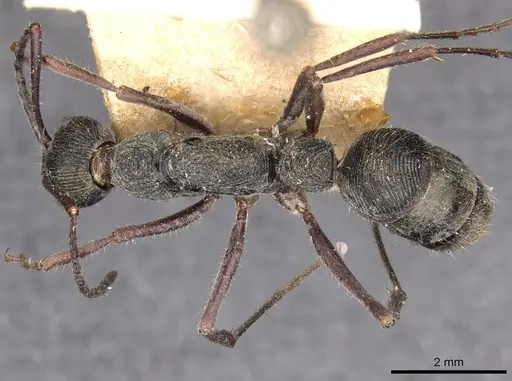
CASENT0916091
AntWeb'de Görüntüle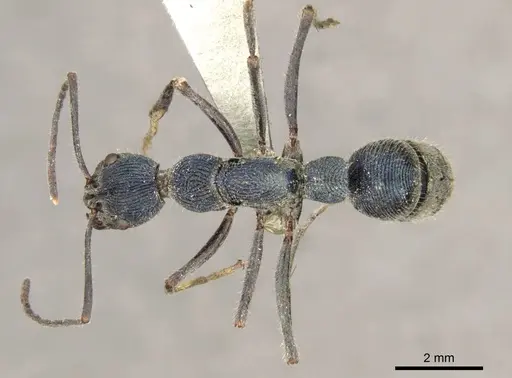
Literatür
Dağılım haritası yükleniyor...Ürünler yükleniyor...