
Cyphomyrmex nesiotus
- Bilimsel Adı
- Cyphomyrmex nesiotus
- Oymak (Tribe)
- Attini
- Alt Familya
- Myrmicinae
- Yazar (Tanımlayan)
- Snelling & Longino, 1992
- Dağılım
- 0 ülkede bulundu
Giriş
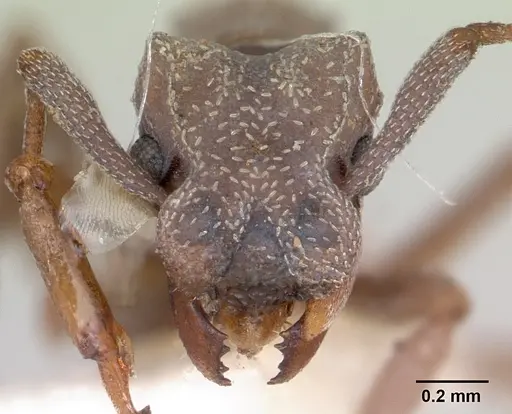
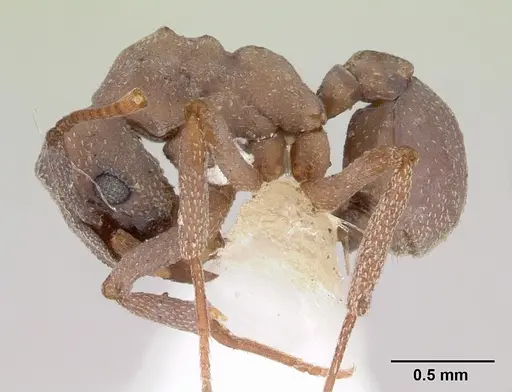
Cyphomyrmex nesiotus is a tiny fungus-farming ant endemic to Isabela Island in the Galapagos Islands . Workers are small, measuring around 2-3mm, with the characteristic bulbous abdomen and specialized fungus-cultivation structures typical of the Attini tribe. The genus Cyphomyrmex is known for their unique agricultural behavior - they cultivate fungus gardens in underground chambers for food, making them one of the few animals that practice true agriculture . This species was first described in 1992 and remains one of only two fungus-growing ant species recorded in the Galapagos .
Quick Summary
- Difficulty: Hard
- Origin & Habitat: Endemic to Isabela Island in the Galapagos Islands, Ecuador. Found only in the Humid Zone of Isabela, in secondary forests near agricultural areas, foraging between leaf-litter at elevations around 1000-1100 feet [3][2].
- Colony Type: Colony structure is unconfirmed. As a fungus-farming ant in the rimosus group, they likely form small colonies with a single queen, though this has not been directly documented.
- Size & Growth:
- Queen: ~4-5mm, inferred from Cyphomyrmex genus patterns
- Worker: ~2-3mm, inferred from Cyphomyrmex genus patterns
- Colony: Likely small colonies, typical for Cyphomyrmex species
- Growth: Moderate
- Development: Estimated 8-12 weeks based on related Attini species (Fungus-farming ants typically have slower development than non-farming species due to the time needed to establish their fungal culture)
- Antkeeping:
- Temperature: Keep around 24-28°C, they come from a tropical island with warm, humid conditions. A gentle gradient allows them to regulate temperature.
- Humidity: High humidity is essential, these ants live in the humid zone of Galapagos. Keep the nest substrate consistently moist but not waterlogged. Fungus gardens need damp conditions to thrive.
- Diapause: Unknown, being from a tropical island, they likely do not require true hibernation but may slow down during cooler periods.
- Nesting: In captivity, they do well in nests that retain moisture well, plaster nests or Y-tong (AAC) nests with moist substrate chambers work best. They need dark, enclosed spaces for their fungus garden.
- Behavior: These ants are shy and non-aggressive. Workers forage individually through leaf-litter and debris, searching for organic material to feed their fungus garden. They possess a stinger but are not defensive and pose no danger to keepers. Their tiny size means they can easily escape through small gaps, excellent escape prevention is critical. They are cryptic and spend most of their time underground tending their fungal culture.
- Common Issues: escape prevention is critical due to their very small size, they can squeeze through standard mesh, fungus garden maintenance is tricky, too wet causes mold, too dry kills the crop, slow colony growth frustrates beginners, patience is essential, they are sensitive to temperature and humidity fluctuations, wild-caught colonies may not survive transfer to captive conditions
Fungus Farming - The Key to Their Care
Cyphomyrmex nesiotus belongs to the Attini tribe, a group of ants that cultivate fungus for food, one of the few examples of true animal agriculture. Unlike most ants that feed on honeydew, insects, or seeds, these ants maintain underground fungus gardens. The workers collect organic debris to feed their fungal crop, which then produces special structures called gongylidia that the ants eat [1]. This means their care is fundamentally different from most ant species. You cannot simply feed them sugar water and protein. Instead, you need to provide them with organic material to sustain their fungus garden. In captivity, this can be supplemented with small amounts of grain-based foods, but the fungus garden must be established and maintained for the colony to thrive.
Nest Preferences and Setup
In the wild, Cyphomyrmex nesiotus nests in soil or decaying wood in humid, shaded forest understory [3]. They are rarely seen foraging in the open. For captivity, use a nest that can maintain high humidity while providing darkness for the fungus garden. Plaster nests or Y-tong (AAC) nests with moist substrate chambers work well. The nest should have a chamber specifically for the fungus garden that stays consistently damp but does not flood. Avoid dry nests or those with excessive ventilation, these ants need humid, still air. A water reservoir connected to the nest helps maintain moisture over time. Keep the entire setup in a warm, shaded area away from direct light.
Feeding and Nutrition
Feeding fungus-farming ants is their most challenging aspect. The colony needs a functioning fungus garden as their primary food source. Provide organic material such as small pieces of dead leaves, grain, or small amounts of cooked rice or oats. Some keepers report success with specialized fungus-ant food mixes. Avoid overfeeding, excess organic matter mold quickly in the humid conditions they require. Remove any uneaten food after 24-48 hours to prevent mold outbreaks that can kill the fungus garden. Fresh water should always be available. Sugar water is generally not accepted since they get their carbohydrates from the fungus.
Temperature and Humidity Management
Being from Isabela Island in the Galapagos, these ants need warm, humid conditions. Keep temperatures in the range of 24-28°C. Below 22°C, the fungus garden may decline and the colony may become sluggish. Use a small heating cable on one side of the nest to create a gentle temperature gradient, but never place heat directly on the fungus chamber. Humidity is critical, aim for 70-85% relative humidity inside the nest. The substrate should feel damp to the touch but never show standing water. Use a hygrometer to monitor conditions. Sudden changes in humidity are harmful, maintain stability. [3]
Behavior and Colony Dynamics
Cyphomyrmex nesiotus workers are small, cryptic, and rarely seen above ground. They forage individually through leaf-litter and debris, carrying small pieces of organic material back to the nest to feed their fungus garden [3]. The colony is likely small, probably under 100 workers in mature colonies. Queens are not known to be aggressive and colonies are generally peaceful. They possess a stinger but are not defensive and do not pose any sting threat to keepers. However, their small size makes them excellent escape artists, even tiny gaps in standard test tube setups can allow them to escape. Always use excellent escape prevention with fine mesh barriers and tight-fitting lids.
Frequently Asked Questions
Can I keep Cyphomyrmex nesiotus in a test tube?
Test tubes can work for founding colonies but are not ideal long-term. These ants need a fungus garden, which requires more space than a simple test tube provides. A small plaster or Y-tong nest with a dedicated fungus chamber is better for established colonies.
What do Cyphomyrmex nesiotus eat?
They are fungus farmers, they cultivate underground fungus gardens for food. Provide organic material like small leaf fragments, grain, rice, or oats for them to feed the fungus. Do not rely on sugar water or typical ant feeds.
How long does it take for the first workers to emerge?
Based on related Attini species, expect 8-12 weeks from egg to first worker at optimal temperature (around 26°C). Fungus-farming ants typically develop slower than non-farming species.
Are Cyphomyrmex nesiotus good for beginners?
No. These ants are considered difficult to keep. Their fungus-farming requirement makes their care fundamentally different from most ant species, and they are sensitive to humidity and temperature fluctuations. They are best suited for experienced antkeepers.
How big do Cyphomyrmex nesiotus colonies get?
Based on typical Cyphomyrmex species, colonies likely remain small, probably under 100 workers even in mature colonies. They are not large colony builders.
Do I need to hibernate Cyphomyrmex nesiotus?
Probably not. Being from a tropical island (Galapagos), they likely do not require a true hibernation period. However, they may slow down during cooler periods. If your room temperature drops significantly in winter, a slight reduction in temperature (to around 22°C) may be appropriate.
Why is my fungus garden dying?
Fungus gardens are sensitive. Common causes include: too dry (add moisture), too wet (reduce watering and improve drainage), temperature extremes (ensure stable 24-28°C), mold from overfeeding (reduce food and clean mold promptly), or disturbance (minimize nest inspections).
Can I keep multiple queens together?
Not recommended. Combining unrelated queens of this species has not been documented. In the wild, they likely have single-queen colonies like other Cyphomyrmex species.
Where is Cyphomyrmex nesiotus found in the wild?
This species is endemic to Isabela Island in the Galapagos Islands, Ecuador. It is only found in the humid zone of the island, in secondary forests near agricultural areas at around 1000-1100 feet elevation [3][2].
Report an Issue
The current care sheet is based fully on literature. See inconsistencies, or something that's incorrect? Please , it will be resolved after review from an admin. Contributing to the blogs tab also helps providing information, to make us be able to further improve the caresheets. Thank you for your support!
References

Bu bakım rehberi şu lisans altındadır: CC BY-SA 4.0 .
Topluluk Blogları
JTLC000009386
AntWeb'de Görüntüle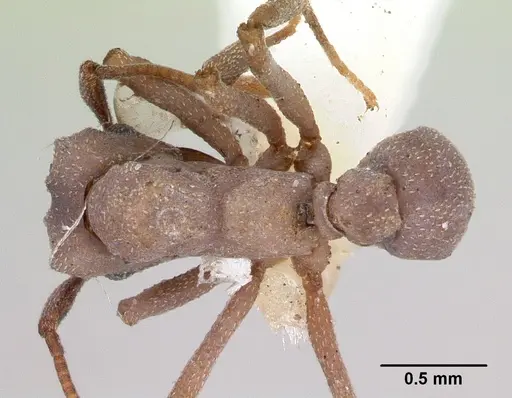
Literatür
Dağılım haritası yükleniyor...Ürünler yükleniyor...