
Crematogaster yappi
- Bilimsel Adı
- Crematogaster yappi
- Oymak (Tribe)
- Crematogastrini
- Alt Familya
- Myrmicinae
- Yazar (Tanımlayan)
- Forel, 1901
- Dağılım
- 0 ülkede bulundu
Giriş
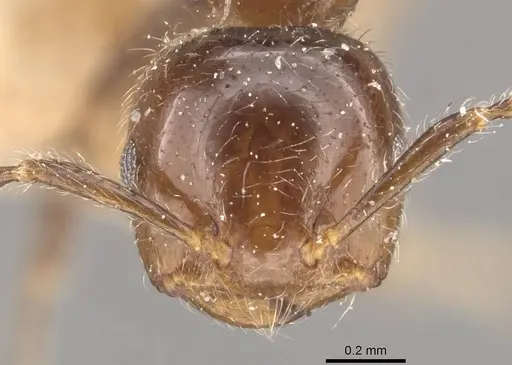
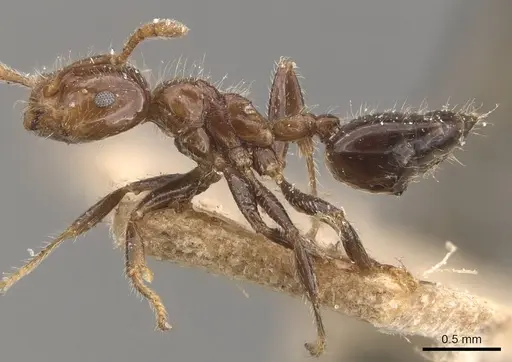
Crematogaster yappi is a tiny arboreal ant species native to Malaysia and Singapore. Workers are very small, measuring approximately 0.7mm in total length - among the smaller Crematogaster species. They are easily identified by their completely undeveloped propodeal spines - unlike most Crematogaster which have prominent spines, this species has none at all. The body is smooth and shiny with sparse standing hairs on the abdomen. As a tropical species from the C. treubi group, they nest in vegetation or rotting wood in humid forest habitats.
Quick Summary
- Difficulty: Medium
- Origin & Habitat: Tropical Malaysia and Singapore, specifically the Malay Peninsula region including Kedah state (Gunung Inas). Found in humid forest environments [1][2].
- Colony Type: Colony structure is unconfirmed. Most Crematogaster species are monogyne (single queen), though some can be polygyne. No data on whether this species accepts multiple queens.
- Size & Growth:
- Queen: Size data unavailable, no queen measurements documented in available literature [1].
- Worker: Approximately 0.7mm total length, inferred from head measurement data [1].
- Colony: Unknown, no colony size data available.
- Growth: Unknown, no development studies exist for this species.
- Development: Unconfirmed, no direct observations of founding or development exist. Based on typical Crematogaster patterns from related species, expect several weeks at optimal temperature. (This is an estimate based on genus-level data since no species-specific research exists.)
- Antkeeping:
- Temperature: Keep warm at 24-28°C. As a tropical species from Malaysia, they need consistently warm conditions without temperature drops. A heating cable on one side of the nest creates a suitable gradient.
- Humidity: Keep high humidity, aim for 70-85%. This species comes from humid tropical forest environments. The nest substrate should remain consistently moist but not waterlogged. Provide a water tube for drinking access.
- Diapause: No, as a tropical species, they do not require hibernation. Keep temperatures stable year-round.
- Nesting: In nature they likely nest in rotting wood, under bark, or in vegetation. In captivity, a small Y-tong (AAC) or plaster nest with appropriately scaled chambers works well. The tiny worker size means chambers must be small and tight-fitting.
- Behavior: Crematogaster ants have a distinctive defensive behavior, they raise their heart-shaped gaster when threatened and can smear venom onto enemies rather than stinging. This gives them the nickname 'acrobat ants.' They are generally moderate in aggression. Workers are small but active foragers. Escape prevention is critical due to their tiny size, they can squeeze through remarkably small gaps. Use fine mesh and tight-fitting barriers.
- Common Issues: escape prevention is critical, their tiny size means they can slip through standard barrier setups, tropical humidity requirements can be challenging to maintain consistently, limited data means care is based on genus-level inference rather than species-specific research, small size makes them vulnerable to drying out if humidity drops, wild-caught colonies may harbor parasites or diseases not yet documented
Nest Preferences and Housing
Crematogaster yappi is a very small species requiring appropriately scaled housing. In the wild, members of the C. treubi group typically nest in rotting wood, under loose bark, or in vegetation. For captivity, use a small Y-tong (AAC) or plaster formicarium with chambers sized for tiny ants, avoid large open spaces that can stress small colonies. The nest material should retain moisture well. A test tube setup can work for founding colonies, but monitor water levels carefully as small tubes dry faster. Ensure excellent escape prevention, these ants are small enough to escape through gaps that would hold back larger species. Use fine mesh on all ventilation holes. [1]
Feeding and Diet
Like other Crematogaster species, they likely accept a varied diet of sugars and proteins. Offer sugar water, honey, or diluted honey-water regularly as a carbohydrate source. For protein, provide small insects like fruit flies, pinhead crickets, or mealworms. Given their tiny worker size, prey items should be appropriately small. Crematogaster are known to tend aphids for honeydew in the wild, so they may accept sugar sources readily. Feed every 2-3 days, removing uneaten prey to prevent mold. Fresh water should always be available.
Temperature and Humidity Management
As a tropical species from Malaysia and Singapore, Crematogaster yappi requires warm and humid conditions. Maintain temperatures between 24-28°C consistently, avoid any prolonged drops below 22°C. Use a heating cable on one side of the nest to create a temperature gradient if room temperature is below this range. Humidity should stay high at 70-85%. The nest substrate should feel consistently moist but never waterlogged. Mist the outworld occasionally and monitor condensation levels in the nest. Poor humidity leads to colony decline, especially during founding when the queen and small brood are most vulnerable. [1][2]
Behavior and Defense
Crematogaster ants have a distinctive defensive behavior, when threatened, they raise their heart-shaped gaster upward and smear venom onto enemies. This is the default defense mechanism for Myrmicinae ants. Workers are active foragers and will recruit nestmates to food sources using chemical trails. They are generally not overly aggressive toward keepers but will defend the nest vigorously. Their small size makes them quick movers. Watch for escape attempts, even tiny gaps in barrier setups will be exploited. They are diurnal, with most activity during daylight hours.
Frequently Asked Questions
How long does it take for Crematogaster yappi to produce first workers?
The exact timeline is unconfirmed since no species-specific development studies exist. Based on typical Crematogaster genus patterns, expect first workers (nanitics) approximately 6-10 weeks after the queen lays eggs, assuming optimal temperature around 26°C. The queen will remain sealed in her founding chamber until the first workers emerge.
What size colony does Crematogaster yappi reach?
Colony size is unknown, no published data exists on maximum colony size for this species. Based on related species in the C. treubi group, colonies likely reach several hundred workers at maturity. This is a small species, so colony numbers may be more modest than larger Crematogaster.
Do Crematogaster yappi ants sting?
Crematogaster ants do not have a functional stinger like some ant species. However, they can smear venom from the tip of their gaster as a defensive mechanism. This can irritate skin and eyes but is not dangerous to healthy humans. Their small size also means the spray quantity is minimal.
Can I keep multiple Crematogaster yappi queens together?
This has not been documented. Most Crematogaster species are monogyne (single queen), though some can be polygyne. Without species-specific data, it is not recommended to combine unrelated foundress queens, as fighting may occur. If you capture a founding queen, house her alone until colony establishment.
What is the best nest type for Crematogaster yappi?
Use a small Y-tong (AAC) or plaster nest with chambers appropriately sized for their tiny workers. The chambers should be tight-fitting rather than spacious. Ensure the nest material can hold humidity well. A test tube setup works for founding colonies but transition to a proper formicarium once the colony reaches 20-30 workers.
Do Crematogaster yappi need hibernation?
No, as a tropical species from Malaysia and Singapore, they do not require hibernation or winter cooling. Keep temperatures stable year-round in the 24-28°C range. Sudden temperature drops can stress or kill colonies.
Are Crematogaster yappi good for beginners?
This species is rated as medium difficulty. While not the most challenging species, the limited available care information and specific humidity requirements make it better suited for antkeepers who already have some experience. Their tiny size also demands excellent escape prevention.
Why are my Crematogaster yappi escaping?
Their tiny size means they can escape through remarkably small gaps. Review all barrier setups, standard cotton or fluon may not be sufficient. Use fine mesh (at least 0.5mm or smaller), ensure all lid seams are tight, and check for any cracks or gaps in the formicarium. Even a tiny imperfection will be exploited.
Report an Issue
The current care sheet is based fully on literature. See inconsistencies, or something that's incorrect? Please , it will be resolved after review from an admin. Contributing to the blogs tab also helps providing information, to make us be able to further improve the caresheets. Thank you for your support!
References

Bu bakım rehberi şu lisans altındadır: CC BY-SA 4.0 .
Topluluk Blogları
CASENT0908593
AntWeb'de Görüntüle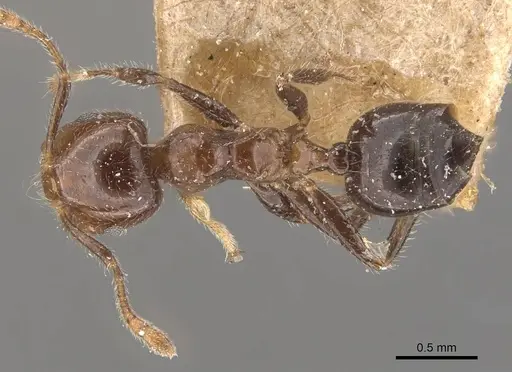
Literatür
Dağılım haritası yükleniyor...Ürünler yükleniyor...