
Crematogaster vacca
- Bilimsel Adı
- Crematogaster vacca
- Oymak (Tribe)
- Crematogastrini
- Alt Familya
- Myrmicinae
- Yazar (Tanımlayan)
- Forel, 1911
- Dağılım
- 0 ülkede bulundu
Giriş
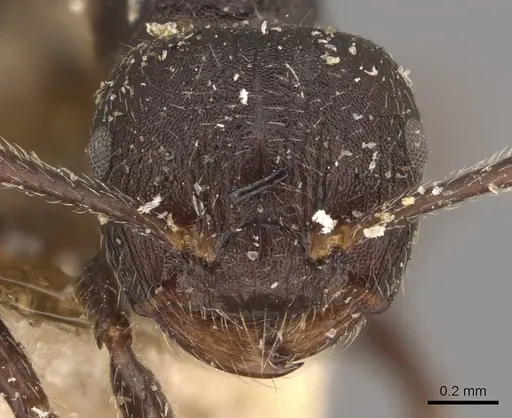
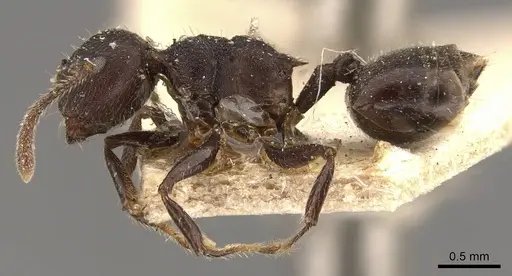
Crematogaster vacca is a small ant species native to the Malay Peninsula and Borneo (Indonesia and Malaysia). Workers display pronounced size polymorphism, meaning they come in noticeably different sizes within the same colony. They have a dark brown to black body with distinctive well-developed propodeal spines that set them apart from similar species like Crematogaster difformis . The propodeum (the section behind the mesonotum) is distinctly raised and swollen relative to the promesonotum, giving them a unique profile. Their body surface has characteristic reticulate (net-like) sculpturing on the head and mesosoma. These ants belong to the Crematogaster inflata-group and the vacca-subgroup, which diverged approximately 4.92 million years ago . Field observations indicate they are primarily arboreal, found on tree trunks during daytime hours .
Quick Summary
- Difficulty: Medium
- Origin & Habitat: Native to the Malay Peninsula and Borneo (Indonesia and Malaysia). In the wild, they inhabit tropical dipterocarp forests and are typically found on tree trunks rather than on the ground [3]. This is an arboreal species that likely nests in dead wood, under bark, or in hollow stems in their rainforest habitat.
- Colony Type: Colony structure is not well documented in scientific literature. More research is needed to confirm their exact colony structure.
- Size & Growth:
- Queen: Size data unavailable, no specific measurements exist for Crematogaster vacca queens
- Worker: Workers measure approximately 4-6mm in total length, inferred from typical Crematogaster worker body size
- Colony: Colony size data unavailable for this species
- Growth: Moderate, based on typical Crematogaster development patterns
- Development: Estimated 6-8 weeks at optimal tropical temperatures, based on genus-level data for related species (Direct development data unavailable for this species. Estimates based on typical Myrmicinae development at warm temperatures.)
- Antkeeping:
- Temperature: Keep at 24-28°C (warm, tropical conditions). A slight gradient allowing cooler areas around 22°C is beneficial. Avoid temperatures below 20°C for extended periods as this is a tropical species.
- Humidity: High humidity is essential, aim for 70-85% relative humidity. These ants come from humid tropical forests in Borneo and Malaysia. Keep the nest substrate consistently moist but not waterlogged. Misting every few days helps maintain appropriate moisture levels.
- Diapause: Not required. As a tropical species from near the equator, they do not experience cold winters that would trigger diapause.
- Nesting: Arboreal setup works best, they prefer nests in dead wood, cork, or similar materials that mimic their natural tree-trunk habitat. Y-tong (AAC) nests or wooden formicaria with narrow chambers suit them well. They do well in naturalistic setups with wood pieces or cork bark.
- Behavior: Crematogaster vacca is an arboreal species that forages on tree trunks and in the canopy. Like other Crematogaster species, they are known for their defensive behavior, when threatened, they raise their abdomen over their head like an acrobat, which gives them their common name 'acrobat ant.' They may also release a foul-smelling secretion as a defense. Workers are moderately aggressive and will defend their nest vigorously. They are active foragers that likely tend aphids for honeydew and hunt small insects. Escape prevention is important, while not the smallest ants, they are agile and can squeeze through small gaps.
- Common Issues: tropical species is sensitive to cold, keep warm and avoid temperatures below 20°C, arboreal nature means they need vertical space and climbing structures, limited biological data means colony development may be unpredictable, patience is key, high humidity requirements can lead to mold if ventilation is poor, balance humidity with adequate airflow, pronounced worker size polymorphism is normal, don't confuse large minor workers with potential reproductives
Housing and Nest Setup
Crematogaster vacca is an arboreal species, so your setup should reflect their natural tree-dwelling habits. A naturalistic setup with cork bark, dead wood pieces, or a Y-tong nest with wood inserts works well. They prefer tight, enclosed spaces that mimic the hollow stems and under-bark locations they use in the wild. Provide climbing structures in the outworld, branches, cork bark pieces, or vertical surfaces for them to explore. A test tube setup can work for founding colonies, but plan to move them to a more elaborate setup once the colony reaches 20-30 workers. Ensure the nest area remains humid while providing a dry outworld area for foraging. [3][1]
Feeding and Diet
In the wild, Crematogaster ants feed on honeydew from aphids and scale insects, plus small insects and other protein sources. In captivity, offer a varied diet: sugar water or honey water (always available), and protein sources like small crickets, mealworms, fruit flies, or other tiny insects 2-3 times per week. They are not picky feeders and will likely accept most standard ant foods. Remove uneaten prey after 24-48 hours to prevent mold. Since they are arboreal foragers, place food on elevated surfaces or near their climbing routes rather than on the floor of the outworld.
Temperature and Seasonal Care
As a tropical species from Borneo and the Malay Peninsula, Crematogaster vacca needs warm conditions year-round. Keep the nest area at 24-28°C. A heating cable or mat on one side of the nest creates a beneficial temperature gradient, letting workers choose their preferred warmth. Room temperature in most homes may be too cold, consider using a small heat source if your room stays below 22°C. They do not require hibernation or diapause. During cooler winter months, you may see reduced activity, but maintain warm temperatures regardless of season. [3]
Behavior and Defense
Crematogaster ants are famous for their defensive posture, when disturbed, workers raise their abdomen over their head like a scorpion, which is how they got the name 'acrobat ant.' They may also release a pungent, unpleasant secretion to deter predators. This is a defensive mechanism rather than an attack, but it can be off-putting if you handle them frequently. They are moderately aggressive when defending the nest but not particularly dangerous to humans. Workers are active foragers and will explore their outworld thoroughly. They are good climbers and will attempt to explore any gaps or openings, use proper escape barriers. Their pronounced size polymorphism (different sized workers) is normal and nothing to worry about. [1]
Colony Development and Growth
Crematogaster vacca has pronounced worker size polymorphism, your colony will have workers of noticeably different sizes, from small minors to large majors. This is normal for the species and reflects their natural morphology [1]. Development from egg to worker likely takes 6-8 weeks at optimal temperatures, though this is estimated based on genus patterns rather than specific to this species. Colonies probably grow at a moderate pace compared to other Myrmicinae. The first workers (nanitics) will be smaller than subsequent workers. Once the colony reaches 50+ workers, growth typically accelerates. Be patient, this is a poorly studied species, and exact development timelines are estimates.
Frequently Asked Questions
How long does it take for Crematogaster vacca to produce first workers?
Based on typical Crematogaster development patterns at warm temperatures (24-28°C), expect first workers in approximately 6-8 weeks after the queen lays eggs. This is an estimate since specific development data for this species is not available.
What size colony does Crematogaster vacca reach?
The maximum colony size is not documented for this species. More research is needed to determine typical colony sizes.
Do Crematogaster vacca ants sting?
Crematogaster ants can sting, but their stinger is small and they rarely sting humans. Their primary defense is raising their abdomen in an acrobat pose and releasing a foul-smelling secretion. They are not considered dangerous to humans.
Can I keep multiple Crematogaster vacca queens together?
This is not recommended. While some Crematogaster species can be polygynous, there is no data on whether C. vacca accepts multiple queens. Starting with a single mated queen is the safest approach for captive colonies.
What temperature do Crematogaster vacca ants need?
Keep them warm at 24-28°C. This is a tropical species from Borneo and Malaysia, and they are sensitive to cold. Avoid temperatures below 20°C. A small heating cable or mat on part of the nest creates a good temperature gradient.
Are Crematogaster vacca good for beginners?
This species is rated as medium difficulty. While not the hardest ant to keep, they have specific humidity and temperature needs as a tropical arboreal species. Beginners should have some experience with ant keeping basics before attempting this species. The lack of documented biology also means you may encounter unexpected challenges.
Do Crematogaster vacca need hibernation?
No, they do not need hibernation. As a tropical species from near the equator, they do not experience cold winters. Keep them warm year-round at 24-28°C.
What do Crematogaster vacca eat?
They accept a varied diet: sugar water or honey water for carbohydrates, and small insects like crickets, mealworms, or fruit flies for protein. They will likely also eat fruit and other sweet substances. Offer protein 2-3 times per week and keep sugar water available at all times.
When should I move Crematogaster vacca to a formicarium?
Move them when the colony reaches 20-30 workers or when the test tube becomes crowded. An arboreal setup with wood or cork pieces works best. They do well in naturalistic setups that mimic their tree-trunk habitat.
Why are my Crematogaster vacca workers different sizes?
This is completely normal. Crematogaster vacca has pronounced size polymorphism, workers naturally vary significantly in size within the same colony. This is a documented characteristic of the species, not a problem [1].
Report an Issue
The current care sheet is based fully on literature. See inconsistencies, or something that's incorrect? Please , it will be resolved after review from an admin. Contributing to the blogs tab also helps providing information, to make us be able to further improve the caresheets. Thank you for your support!
References

Bu bakım rehberi şu lisans altındadır: CC BY-SA 4.0 .
Topluluk Blogları
CASENT0908465
AntWeb'de Görüntüle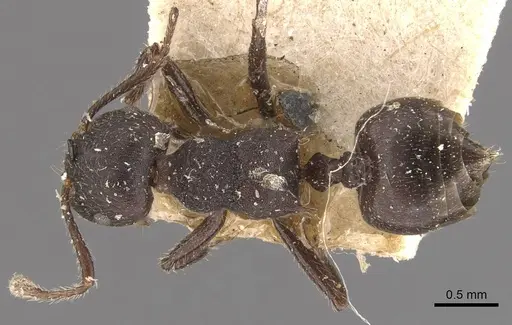
Literatür
Dağılım haritası yükleniyor...Ürünler yükleniyor...