
Crematogaster sikkimensis
- Bilimsel Adı
- Crematogaster sikkimensis
- Oymak (Tribe)
- Crematogastrini
- Alt Familya
- Myrmicinae
- Yazar (Tanımlayan)
- Forel, 1904
- Dağılım
- 0 ülkede bulundu
Giriş
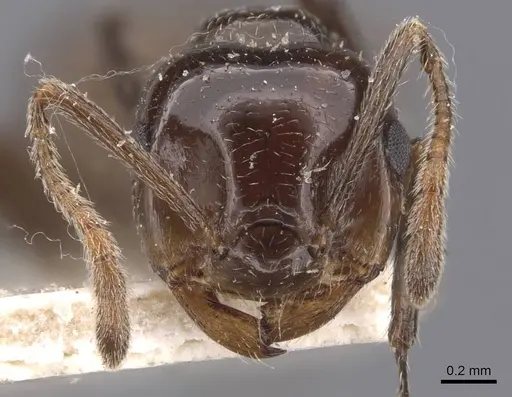
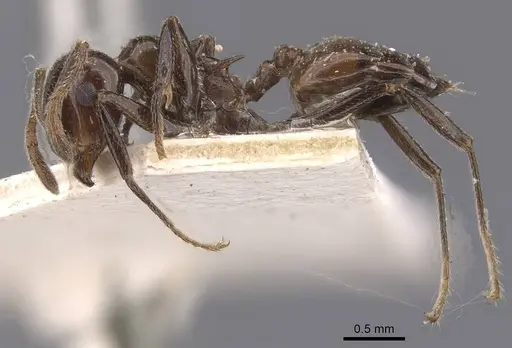
Crematogaster sikkimensis is a small, smooth-shiny ant native to the Himalayan region of India, specifically Sikkim and West Bengal. Workers are roughly 1 mm in head width and have a distinctive brown coloration with long propodeal spines that point upward . The postpetiole (the segment behind the waist) is strongly bilobed, giving these ants a characteristic 'heart-shaped' appearance when viewed from above - a typical feature of acrobat ants. This species belongs to the Crematogaster ranavalonae-group and was elevated from subspecies status to a full species in 2015 . These ants are high-altitude dwellers found around 1500 meters in the Himalayas, suggesting they prefer cooler, mountainous conditions . They are poorly studied in the wild, and captive care information is limited to what we know from related species in the genus.
Quick Summary
- Difficulty: Medium
- Origin & Habitat: Endemic to the Himalayas in India (Sikkim and West Bengal) at approximately 1500 meters elevation [3][2]. The type locality is Sikkim, where they inhabit mountainous, likely forested regions.
- Colony Type: Colony structure is unconfirmed for this species. Most Crematogaster are single-queen (monogyne) colonies, but this has not been documented for C. sikkimensis specifically.
- Size & Growth:
- Queen: Unknown, no queen measurements available in the literature
- Worker: Unknown, no total length data, head width approximately 0.82–0.91 mm is reported [1]
- Colony: Unknown, no colony size data available
- Growth: Unknown, no development data available
- Development: Unknown, no direct measurements. Based on typical Crematogaster patterns, estimate 6–10 weeks at optimal temperature. (Development timeline is unconfirmed. Related Crematogaster species typically take 6–10 weeks from egg to worker at warm temperatures.)
- Antkeeping:
- Temperature: Based on their high-altitude Himalayan origin (1500 m), they likely prefer cooler conditions than most tropical ants. Start around 20–24°C with a gradient, and observe colony activity. Avoid overheating above 28°C [3].
- Humidity: Moderate humidity likely preferred, similar to other Himalayan Crematogaster. Keep nest substrate lightly moist but not waterlogged. Provide a water source.
- Diapause: Unknown, likely requires a cool period during winter given their Himalayan origin. Consider providing a hibernation period around 10–15°C for 2–3 months if keeping active through winter.
- Nesting: In the wild, Crematogaster often nest in rotting wood, under bark, or in hollow stems. In captivity, a Y-tong (AAC) nest, plaster nest, or naturalistic setup with rotting wood works well. They prefer tight chambers scaled to their small size.
- Behavior: As members of the tribe Crematogastrini, they use a unique defense mechanism: a flattened stinger that smears venom onto attackers rather than stinging [4]. They also raise their abdomen over their head in a scorpion-like posture when threatened. Workers are small but active foragers. They are generally non-aggressive toward keepers but will defend the nest. Extreme caution with escape prevention is necessary, these ants are tiny and can exploit the smallest gaps.
- Common Issues: limited availability, this species is rarely available in the antkeeping hobby due to its restricted range, lack of documented care information means keepers must adapt from related species, high-altitude origin suggests temperature sensitivity, avoid overheating, small worker size requires meticulous escape prevention, seal all connections with fluon or oil
Nest Preferences and Housing
Crematogaster sikkimensis is a small ant that prefers nesting in confined spaces. In the wild, Crematogaster species typically nest in rotting wood, under loose bark, or in hollow stems. For captivity, a Y-tong (AAC) nest or a plaster nest with appropriately scaled chambers works well. The chambers should be tight and snug, these are small ants, and overly large spaces can stress them. A naturalistic setup with pieces of rotting wood or cork bark is also suitable and mimics their natural environment better. Keep the nest humid but ensure proper ventilation to prevent mold. A water tube or cotton wick for moisture should be provided [4].
Feeding and Diet
Crematogaster are omnivorous and typically feed on honeydew, nectar, and small insects. In captivity, offer a mix of sugar sources (honey water, sugar water) and protein (small insects like fruit flies, pinhead crickets, or mealworms). They are small ants, so prey items should be appropriately sized. Feed sugar water constantly, replace every 2–3 days to prevent fermentation. Offer protein 2–3 times per week, removing uneaten prey after 24 hours. Some Crematogaster species also accept seeds or plant matter, but this varies. Observe your colony's preferences and adjust accordingly [4].
Temperature and Seasonal Care
Based on their origin in the Himalayan region at 1500 m elevation, Crematogaster sikkimensis likely prefers cooler temperatures than many tropical ants. Aim for a temperature range of 20–24°C in the nest area. Use a heating cable on one side of the nest to create a gentle gradient if your room temperature falls below this range. Avoid temperatures above 28°C, as this species is not adapted to tropical heat [3]. During winter, consider providing a cool period around 10–15°C for 2–3 months, mimicking natural seasonal cycles. This species likely experiences cooler winters in its native habitat and may benefit from a dormancy period.
Behavior and Defense
Crematogaster ants get their common name 'acrobat ants' from their defensive behavior, when threatened, workers raise their abdomen over their head like a scorpion. More uniquely, as members of the tribe Crematogastrini, they have a modified flattened stinger that smears venom onto attackers rather than piercing skin [4]. In captivity, they are generally calm and non-aggressive, focusing on foraging and colony maintenance. Due to their tiny size (head width
Colony Establishment and Growth
Since this species is rarely kept in captivity and has limited distribution in the wild, acquiring a colony may be difficult. If you obtain a founding queen, she is likely claustral (seals herself in a chamber and raises the first workers without leaving to forage), which is typical for the genus. Provide a small test tube setup with water reservoir and keep it undisturbed in a dark place at around 22°C. The first workers (nanitics) will be smaller than normal workers and may take 6–10 weeks to emerge based on typical Crematogaster development. Once the colony reaches about 10–20 workers, you can consider moving them to a proper nest. Growth rate is unknown but likely moderate, be patient with founding colonies.
Frequently Asked Questions
How long does it take for Crematogaster sikkimensis to go from egg to worker?
The exact development timeline has not been documented for this species. Based on typical Crematogaster genus patterns, expect approximately 6–10 weeks from egg to first worker at optimal temperature (around 22–24°C). The first workers (nanitics) will be smaller than fully-grown workers.
What temperature do Crematogaster sikkimensis ants need?
Based on their Himalayan origin at 1500 m elevation, they prefer cooler conditions than most ants. Keep the nest at 20–24°C. Avoid temperatures above 28°C. A gentle temperature gradient allows workers to choose their preferred zone [3].
Do Crematogaster sikkimensis ants sting?
They have a stinger, but unlike typical stinging ants, it is modified to smear venom onto attackers rather than pierce skin [4]. Due to their tiny size, they are not considered dangerous to humans. Their main defense is the 'acrobat' posture and venom smearing.
What do Crematogaster sikkimensis ants eat?
They are omnivorous. Offer sugar sources (honey water, sugar water) constantly, and protein (small insects like fruit flies, mealworms) 2-3 times per week. Remove uneaten prey after 24 hours [4].
Can I keep multiple Crematogaster sikkimensis queens together?
The colony structure of this species is unconfirmed. Most Crematogaster are single-queen (monogyne) colonies. Combining unrelated queens is not recommended as they may fight. If you find multiple queens, it's best to house them separately unless you observe them tolerating each other.
Do Crematogaster sikkimensis need hibernation?
This is not confirmed, but likely yes given their Himalayan origin. Consider providing a cool period around 10–15°C for 2–3 months during winter. This mimics their natural seasonal cycle at high altitude [3].
What size do Crematogaster sikkimensis colonies reach?
Colony size is unknown, no wild colony data exists for this species. Based on related Crematogaster species, colonies likely reach several hundred workers over several years. They are not among the largest Crematogaster species.
Are Crematogaster sikkimensis good for beginners?
This species is rated as Medium difficulty. While they are generally hardy once established, they are rarely available in the antkeeping hobby due to their limited range in India. The main challenge is obtaining a colony and adapting care from related species due to limited specific documentation.
What type of nest is best for Crematogaster sikkimensis?
A Y-tong (AAC) nest or plaster nest with small, tight chambers works well. They prefer snug spaces scaled to their tiny size. A naturalistic setup with rotting wood is also suitable. Avoid large, open spaces [4].
Where is Crematogaster sikkimensis found in the wild?
This species is endemic to India, found only in Sikkim and West Bengal at approximately 1500 meters elevation in the Himalayas [1][2][3]. It was originally described in 1904 and raised to full species status in 2015 [1].
Report an Issue
The current care sheet is based fully on literature. See inconsistencies, or something that's incorrect? Please , it will be resolved after review from an admin. Contributing to the blogs tab also helps providing information, to make us be able to further improve the caresheets. Thank you for your support!
References

Bu bakım rehberi şu lisans altındadır: CC BY-SA 4.0 .
Topluluk Blogları
CASENT0171225
AntWeb'de Görüntüle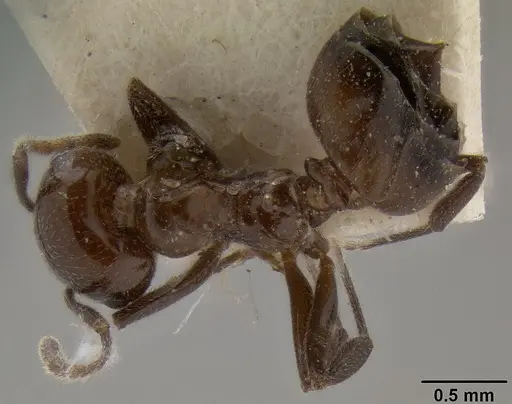
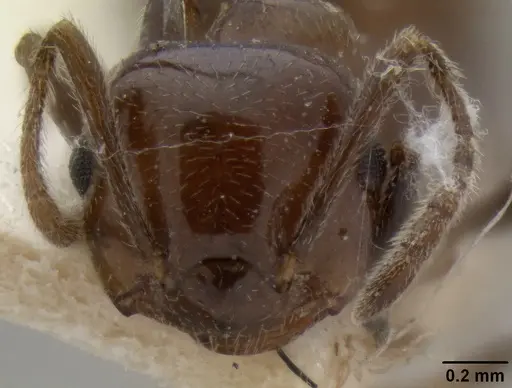
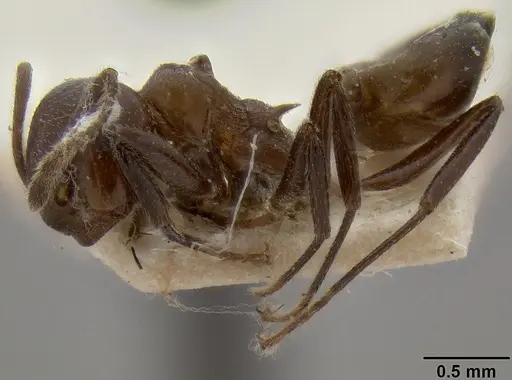
CASENT0907513
AntWeb'de Görüntüle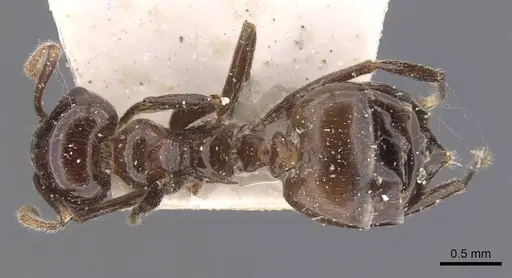
Literatür
Dağılım haritası yükleniyor...Ürünler yükleniyor...