
Crematogaster ralumensis
- Bilimsel Adı
- Crematogaster ralumensis
- Alt Cins
- Orthocrema
- Oymak (Tribe)
- Crematogastrini
- Alt Familya
- Myrmicinae
- Yazar (Tanımlayan)
- Forel, 1901
- Dağılım
- 0 ülkede bulundu
Giriş
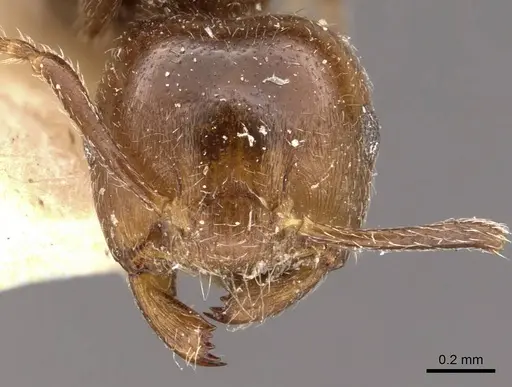
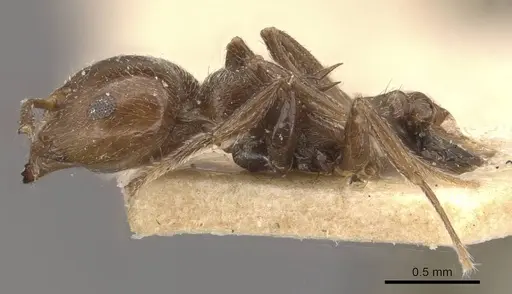
Crematogaster ralumensis is a small myrmicine ant originally described from New Britain Island in the Bismarck Archipelago of Papua New Guinea . Workers are tiny ants belonging to the genus Crematogaster, commonly known as 'acrobat ants' due to their characteristic defensive behavior of raising their abdomen over their thorax and head when threatened. The genus is distinguished by its heart-shaped gaster that can be lifted as a defensive display. This species belongs to the subfamily Myrmicinae and uses a smear defense mechanism, wiping venom onto enemies rather than piercing flesh. The species remains poorly documented, with most available information derived from the original description.
Quick Summary
- Difficulty: Medium, limited species-specific data available
- Origin & Habitat: Papua New Guinea, specifically New Britain Island in the Bismarck Archipelago. Inhabits tropical forest environments, likely nesting in rotting wood, under bark, or in arboreal locations [1][2].
- Colony Type: Unconfirmed, colony structure has not been documented for this specific species.
- Size & Growth:
- Queen: Size data unavailable, no measurements exist in available literature
- Worker: Size data unavailable, no measurements exist in available literature
- Colony: Unknown, no colony size data documented for this species
- Growth: Unknown, no development timing documented
- Development: Unknown, no species-specific data available (Development timeline is unconfirmed for this species.)
- Antkeeping:
- Temperature: Tropical species, aim for warm conditions. Avoid temperatures below 20°C. Provide a gentle temperature gradient if possible.
- Humidity: Tropical forest species, require moderate to high humidity. Keep the nest substrate consistently moist but not waterlogged. Provide some drier areas within the setup for the ants to self-regulate.
- Diapause: No, as a tropical species from Papua New Guinea, they do not require a diapause period. Maintain warm conditions year-round.
- Nesting: Nesting preferences are unconfirmed for this species. Based on typical Crematogaster behavior, they likely prefer nesting in rotting wood, under bark, or in arboreal cavities. In captivity, a Y-tong (AAC) nest, plaster nest, or naturalistic setup with rotting wood pieces would likely be appropriate.
- Behavior: Behavior is unconfirmed for this specific species, but Crematogaster genus members are generally active foragers with a defensive nature. They are known for their acrobatic defense display where they raise their abdomen. Most species are not particularly aggressive but will defend their nest vigorously. Escape prevention is important due to their small size, use fine mesh and tight-fitting barriers.
- Common Issues: limited species-specific care information makes proper husbandry challenging, escape prevention is critical due to their small size, they can squeeze through tiny gaps, humidity control is important, too dry causes colony decline, tropical temperature requirements mean they cannot tolerate cool conditions, wild-caught colonies may carry parasites or diseases not yet documented in this species
Species Background and Distribution
Crematogaster ralumensis was originally described by Forel in 1901 based on worker specimens collected from Lowon, near Ralum on New Britain Island in the Bismarck Archipelago of Papua New Guinea [1]. The type material is deposited at MHNG (Muséum d'Histoire Naturelle de Genève). This species remains poorly documented in scientific literature, with limited additional research conducted since its original description. The distribution appears to be restricted to Papua New Guinea and surrounding islands in the Australasian region. New Britain is a large island in the Bismarck Archipelago with a tropical rainforest climate.
Nest Preferences and Housing
Nesting preferences for Crematogaster ralumensis have not been directly documented. However, based on typical Crematogaster behavior and the tropical rainforest environment of New Britain, they likely nest in rotting wood, under bark, or in arboreal cavities. Some Crematogaster species are known to be arboreal, nesting in tree hollows or under loose bark. In captivity, provide a setup that mimics these conditions, a Y-tong (AAC) nest or plaster nest with moisture retention works well. Include small passages and chambers scaled to their tiny size. A naturalistic setup with rotting wood pieces and moist substrate can also be successful. Ensure the nest area remains humid but not waterlogged. [2]
Feeding and Diet
The specific diet of Crematogaster ralumensis has not been documented. Based on general Crematogaster genus behavior, they likely feed on honeydew from aphids and scale insects, small insects and arthropods, and nectar. In captivity, offer a varied diet including sugar water or honey as an energy source, small live insects such as fruit flies or pinhead crickets, and occasional protein sources like mealworms. Feed small amounts initially and observe acceptance. Remove uneaten food promptly to prevent mold issues. [2]
Temperature and Humidity Requirements
As a tropical species from Papua New Guinea, Crematogaster ralumensis requires warm and humid conditions. Maintain temperatures in the range of 24-28°C, avoiding any prolonged exposure below 20°C. A temperature gradient allows the colony to self-regulate, place a heating cable on one side of the nest setup. Humidity should be maintained at 60-80%, keeping the nest substrate consistently moist but not saturated. Mist the outworld occasionally and monitor condensation levels in the nest. Poor temperature or humidity control can quickly lead to colony decline.
Behavior and Temperament
While specific behavior has not been documented for this species, Crematogaster ants are generally active foragers and known for their distinctive defensive display. When threatened, they raise their abdomen over their head like an acrobat, which gives them their common name. This is a defensive adaptation to deter predators or threats. Most Crematogaster species are not overly aggressive but will defend their nest vigorously if provoked. They are likely to be good foragers and may establish foraging trails. Due to their small size, excellent escape prevention is essential, use fine mesh barriers and ensure all openings are sealed properly. [2]
Frequently Asked Questions
How do I care for Crematogaster ralumensis ants?
Care information for this specific species is limited since it has not been well-studied. Based on general Crematogaster care and its tropical origin from Papua New Guinea, provide warm temperatures (24-28°C), moderate to high humidity (60-80%), and a nest that retains moisture. Feed sugar water, honey, and small live insects. Use excellent escape prevention due to their small size.
What do Crematogaster ralumensis eat?
Their specific diet is unconfirmed, but based on genus patterns, they likely accept sugar sources (honey, sugar water), small live insects (fruit flies, springtails), and possibly nectar. Offer a varied diet and remove uneaten food promptly.
What temperature do Crematogaster ralumensis need?
As a tropical species from Papua New Guinea, they require warm conditions around 24-28°C. Avoid temperatures below 20°C. A gentle temperature gradient is recommended.
Do Crematogaster ralumensis need hibernation?
No, as a tropical species from a region without seasonal temperature drops, they do not require a diapause or hibernation period. Maintain warm conditions year-round.
How big do Crematogaster ralumensis colonies get?
Colony size is unknown for this species, no colony size data has been documented.
How long does it take for Crematogaster ralumensis to develop from egg to worker?
The development timeline is unconfirmed for this species. No species-specific data is available.
Can I keep multiple Crematogaster ralumensis queens together?
Colony structure is unconfirmed for this species. The number of queens a colony can support has not been documented. Many Crematogaster species are monogyne (single queen), but some tropical species can be polygyne. Without specific data, combining unrelated queens is not recommended.
Do Crematogaster ralumensis ants sting?
Stinging behavior is not documented for this specific species. Crematogaster ants have a stinger but most species are too small to penetrate human skin effectively. They are known for their defensive acrobat display rather than stinging.
Are Crematogaster ralumensis good for beginners?
This species is not recommended for beginners due to the lack of species-specific care documentation. The limited available information makes proper husbandry challenging. Beginners should start with better-documented species with established care protocols.
What size are Crematogaster ralumensis workers?
Worker size is undescribed in available literature. No measurements exist for this species.
Where is Crematogaster ralumensis found?
This species is known from New Britain Island in the Bismarck Archipelago of Papua New Guinea. It was originally described from specimens collected near Ralum on New Britain [1].
When do Crematogaster ralumensis have nuptial flights?
Nuptial flight timing is unconfirmed for this species. Tropical ant species often have less predictable flight seasons compared to temperate species. No specific data on reproduction timing is available.
Report an Issue
The current care sheet is based fully on literature. See inconsistencies, or something that's incorrect? Please , it will be resolved after review from an admin. Contributing to the blogs tab also helps providing information, to make us be able to further improve the caresheets. Thank you for your support!
References

Bu bakım rehberi şu lisans altındadır: CC BY-SA 4.0 .
Topluluk Blogları
CASENT0908385
AntWeb'de Görüntüle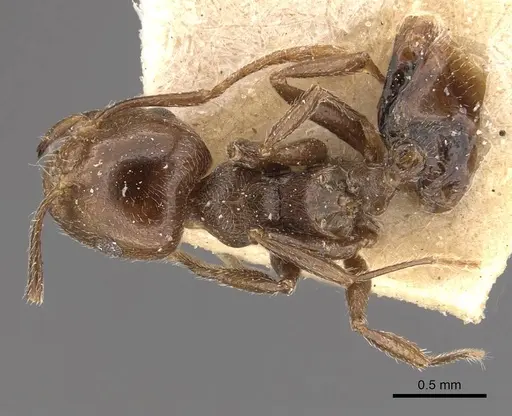
Literatür
Dağılım haritası yükleniyor...Ürünler yükleniyor...