
Crematogaster euterpe
- Bilimsel Adı
- Crematogaster euterpe
- Alt Cins
- Orthocrema
- Oymak (Tribe)
- Crematogastrini
- Alt Familya
- Myrmicinae
- Yazar (Tanımlayan)
- Santschi, 1922
- Dağılım
- 0 ülkede bulundu
Giriş
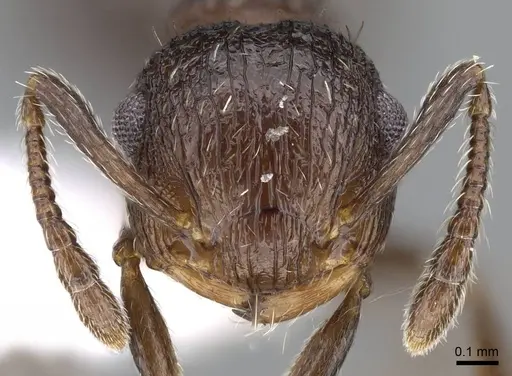
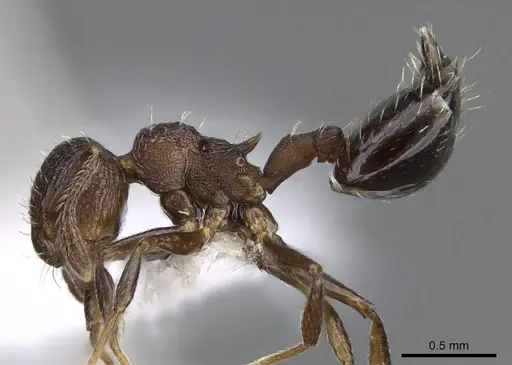
Crematogaster euterpe is a small myrmicine ant endemic to the Yungas region of northern Argentina. Workers display the characteristic heart-shaped abdomen typical of the genus, raising it over their head when disturbed as a defensive display [AntWiki]. This species is one of only two ant species documented as restricted to the first floor (premontane forest layer) of the Yungas ecosystem, found exclusively at elevations between 300-600 meters . The Yungas is a subtropical cloud forest ecosystem that runs along the eastern slopes of the Andes. What makes C. euterpe particularly special is its extreme endemism; it's been found only in the premontane forests of Jujuy province and represents one of the rarest ant species in this region .
Quick Summary
- Difficulty: Unknown, limited data available
- Origin & Habitat: Endemic to the Yungas of Argentina, specifically the premontane forest zone at 300-600m elevation in Jujuy province [2]. The Yungas is a subtropical cloud forest ecosystem known for high humidity and moderate temperatures year-round.
- Colony Type: Unconfirmed. Most Crematogaster species are polygynous (multiple queens per colony), but specific colony structure for C. euterpe has not been documented.
- Size & Growth:
- Queen: Size data unavailable, inferred from Crematogaster genus patterns (~5-8mm)
- Worker: Size data unavailable, inferred from Crematogaster genus patterns (~3-5mm)
- Colony: Unknown, typical Crematogaster colonies reach several hundred workers
- Growth: Unknown
- Development: Estimated 6-8 weeks based on typical Crematogaster development at warm temperatures [1] (Development time inferred from genus patterns, specific data for this species unavailable.)
- Antkeeping:
- Temperature: Keep at 24-28°C. Based on Yungas premontane forest climate, warm but not hot, with stable year-round temperatures. A gentle gradient allowing workers to self-regulate is ideal.
- Humidity: High humidity required, think humid subtropical forest floor. Keep nest substrate consistently moist but not waterlogged. The Yungas environment is characterized by high ambient moisture and frequent mist.
- Diapause: Likely minimal or no true diapause given the subtropical climate. However, expect reduced activity during cooler winter months if your room temperature drops. Monitor for seasonal slowdowns rather than implementing a formal hibernation.
- Nesting: In nature they likely nest in rotting wood or under loose bark in the humid forest understory, typical Crematogaster nesting habitat. In captivity, a Y-tong (AAC) nest or plaster nest with good moisture retention works well. Avoid drying out.
- Behavior: Crematogaster euterpe will likely show typical genus behavior: active foragers that search for honeydew and small prey, with the characteristic heart-shaped abdomen raised as an alarm response. They are not aggressive toward keepers but will defend the nest vigorously. Escape prevention is important, they are small enough to escape through standard gaps if not careful. Use fluon on test tube rims and ensure any formicarium connections are secure.
- Common Issues: limited data means care recommendations are partly inferred from genus patterns, monitor your colony and adjust conditions based on their behavior, high humidity requirements can lead to mold problems if ventilation is poor, balance moisture with airflow, small size makes escape prevention critical, check all connections and use barriers, this species' extreme endemism means wild-caught colonies may have specific local adaptations not reflected in general husbandry guidelines, slow or inconsistent growth may occur if temperature fluctuates, stability matters more than hitting exact numbers
Natural History and Distribution
Crematogaster euterpe is one of the rarest ant species in the Yungas of Argentina, an ecosystem often called the 'Amazon of the Andes' due to its incredible biodiversity. This species has been documented only in the premontane forest layer, which is the lowest elevation zone (300-600m) of the Yungas, making it a true specialist of that specific habitat [2]. The Yungas region experiences humid subtropical conditions with relatively stable temperatures year-round, receiving significant moisture from easterly winds off the Amazon basin. This ant was originally described by Santschi in 1922 from specimens collected in Jujuy province, and subsequent surveys have confirmed its presence only in this limited geographic area [3]. The species appears to be exclusively associated with this forest type, which makes it particularly vulnerable to habitat changes.
Nest Preferences and Housing
In the wild, Crematogaster species typically nest in rotting wood, under loose bark, or in hollow twigs and branches in the forest understory. Given C. euterpe's restriction to the premontane forest floor, they likely prefer humid, shaded microhabitats with access to decaying wood material. For captive care, a Y-tong (AAC) nest or plaster-based formicarium works well, these materials hold moisture effectively while providing the dark, enclosed spaces these ants prefer. Avoid dry setups, the nest area should remain consistently damp. Test tube setups can work for founding colonies but monitor moisture levels carefully, as they dry out faster than dedicated formicaria. Provide a water tube for drinking access and ensure the outworld has some moisture as well to maintain overall humidity. [1]
Feeding and Diet
Crematogaster ants are generalist omnivores that readily accept both sugar sources and protein. In nature, they forage for honeydew from aphids and scale insects, collect nectar, and hunt small insects. For captive colonies, offer a constant sugar source (honey water or sugar water in a test tube with a cotton wick) and protein prey such as small crickets, mealworms, or fruit flies. Feed protein 2-3 times per week depending on colony size. Remove uneaten prey after 24-48 hours to prevent mold. These ants are active foragers and will send workers out to discover food quickly. A small dish or cotton ball works well for liquid sugar sources. [1]
Temperature and Seasonal Care
Given the Yungas premontane forest climate, these ants prefer warm but moderate temperatures, aim for 24-28°C. The Yungas doesn't experience extreme temperature swings, so your colony will likely do best with stable, warm conditions rather than dramatic heating or cooling cycles. A small heating cable on one side of the nest can create a beneficial gradient, but ensure there's a cooler area workers can retreat to if needed. Regarding diapause: the Yungas has mild winters compared to temperate regions, so expect reduced activity during cooler months rather than a true hibernation. If your room temperature drops significantly in winter, you may see slower brood development or less activity, which is normal. Don't panic if foraging slows in winter, just maintain basic care and wait for warmer weather. [1]
Frequently Asked Questions
How long does it take for Crematogaster euterpe to produce first workers?
Exact timing is unknown for this species, but based on typical Crematogaster development, expect 6-8 weeks from egg to worker at optimal warm temperatures (24-28°C). Be patient, founding colonies can take time, and this species may be slower given limited data on its specific needs.
What is the best nest type for Crematogaster euterpe?
A Y-tong (AAC) nest or plaster formicarium works best because they hold moisture well, this species needs high humidity. Test tubes can work for founding but monitor drying. Avoid dry setups like wooden nests.
Do Crematogaster euterpe ants sting?
Crematogaster ants can sting but rarely penetrate human skin due to their small size. Their main defense is raising their heart-shaped abdomen over their head to squirt formic acid, this can irritate eyes and skin. Handle gently and wash hands after contact.
Are Crematogaster euterpe good for beginners?
Difficulty level is uncertain due to limited data on this specific species. General Crematogaster care is manageable for intermediate keepers, but C. euterpe's endemism to a specific humid forest habitat means their care requirements may be more specialized than average. Proceed with caution and be prepared to fine-tune humidity and temperature based on colony response.
How big do Crematogaster euterpe colonies get?
Colony size is not documented for this species, but typical Crematogaster colonies reach several hundred workers. Given their restricted range in the Yungas, they may not reach the large colony sizes seen in some widespread Crematogaster species.
Do Crematogaster euterpe need hibernation?
Probably not. Being from the subtropical Yungas, they likely don't require a true hibernation period. You may see reduced activity in cooler months, but maintain normal care with perhaps slightly less feeding during slow periods.
What do Crematogaster euterpe eat?
They are omnivores, offer sugar water or honey constantly, and protein prey (small crickets, mealworms, fruit flies) 2-3 times per week. They will also collect honeydew if you keep aphids.
Can I keep multiple Crematogaster euterpe queens together?
Not enough data exists on this species' colony structure. Most Crematogaster are polygynous (multiple queens), but combining unrelated foundress queens carries risks. It's generally safer to start with a single queen until more is known about this species' social structure.
Why is my Crematogaster euterpe colony declining?
Without species-specific data, common causes include: improper humidity (too dry or too wet/moldy), temperature instability, insufficient protein, or stress from excessive disturbance. Check your setup against Yungas conditions, they need warmth, humidity, and stability. Also ensure you're not overfeeding, which causes mold.
Where can I get Crematogaster euterpe?
This species is extremely rare in the antkeeping hobby due to its limited endemic range in Argentina. It is unlikely to be available from commercial suppliers. If available at all, it would only be from specialized dealers or breeders working with Argentine ant species.
Report an Issue
The current care sheet is based fully on literature. See inconsistencies, or something that's incorrect? Please , it will be resolved after review from an admin. Contributing to the blogs tab also helps providing information, to make us be able to further improve the caresheets. Thank you for your support!
References

Bu bakım rehberi şu lisans altındadır: CC BY-SA 4.0 .
Topluluk Blogları
CASENT0912742
AntWeb'de Görüntüle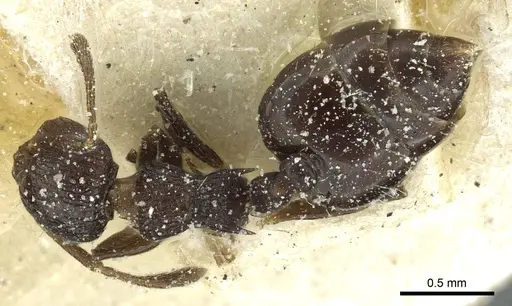
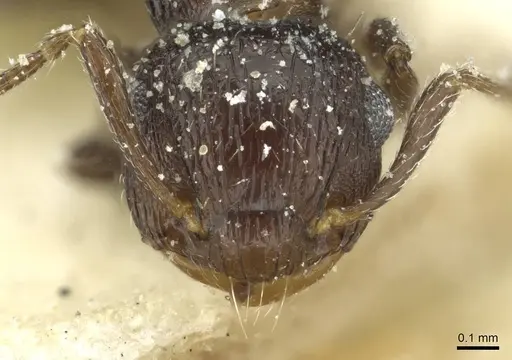
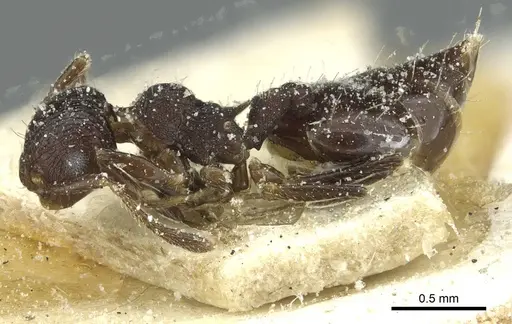
CASENT0914563
AntWeb'de Görüntüle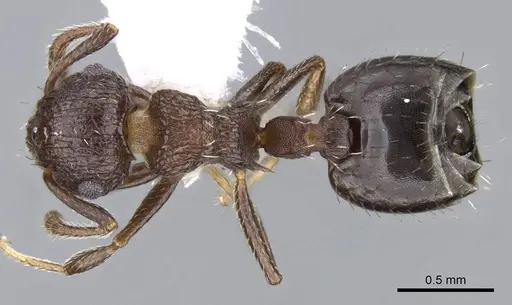
Literatür
Dağılım haritası yükleniyor...Ürünler yükleniyor...