
Crematogaster butteli
- Bilimsel Adı
- Crematogaster butteli
- Oymak (Tribe)
- Crematogastrini
- Alt Familya
- Myrmicinae
- Yazar (Tanımlayan)
- Forel, 1913
- Dağılım
- 0 ülkede bulundu
Giriş
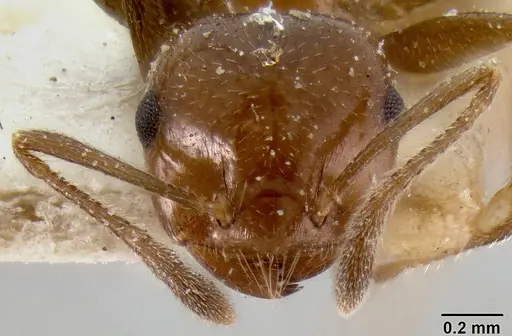
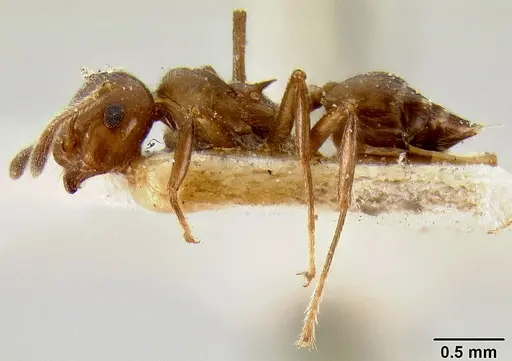
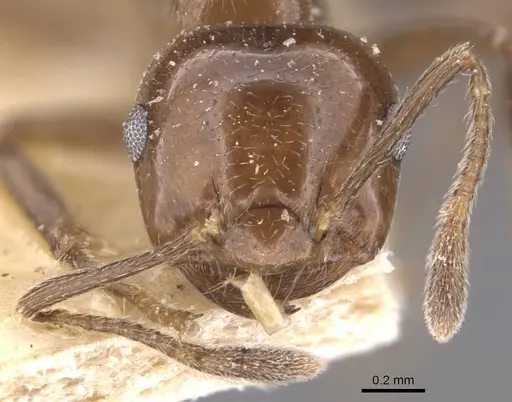
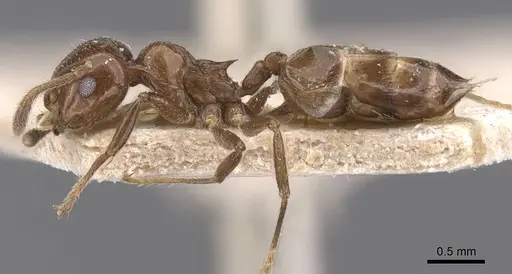
Crematogaster butteli is a small reddish-brown ant species belonging to the Crematogaster ranavalonae group. Workers have a head width of about 0.8mm, making them quite small. They are distinguished from similar species like C. tumidula by their characteristic angulate (angled) anterolateral corners of the petiole. The propodeal spines are long and stout, directed upward, and the overall appearance is smooth and shiny with sparse appressed setae. This species is known only from its type locality in Sumatra, Indonesia, where it was collected in the early 1900s. No biological or ecological data exists in the scientific literature for this species.
Quick Summary
- Difficulty: Expert
- Origin & Habitat: Sumatra, Indonesia, only known from the type locality in the Indomalayan region [1][2]
- Colony Type: Unconfirmed, colony structure has not been documented in the scientific literature
- Size & Growth:
- Queen: Unknown, no queen measurements have been documented
- Worker: ~2-3mm total length, inferred from Crematogaster genus patterns (head width 0.80-0.85mm) [1]
- Colony: Unknown, no colony size data exists for this species
- Growth: Unknown
- Development: Unconfirmed, no development data exists for this species. (Development timeline is entirely unknown since no species-specific data exists)
- Antkeeping:
- Temperature: Unknown for this specific species. Based on its tropical origin in Sumatra, aim for warm conditions around 24-28°C. Monitor colony activity and adjust accordingly.
- Humidity: Unknown, no humidity data exists. As a tropical Indonesian species, likely requires moderate to high humidity. Keep substrate consistently moist but not waterlogged.
- Diapause: Unknown, no seasonal data exists. As a tropical species from near the equator, diapause is likely not required.
- Nesting: Natural nesting behavior unconfirmed. Based on genus patterns, they likely nest in rotting wood, under bark, or in small cavities in tropical forest habitats. In captivity, a small test tube setup or Y-tong nest with tight chambers scaled to their tiny size would be appropriate.
- Behavior: Behavior is unstudied in this species. Crematogaster ants are generally known for their characteristic heart-shaped gaster that they raise when threatened, and their ability to smear formic acid as a defense. Workers are small and may be skittish. Escape prevention is critical due to their tiny size, they can squeeze through remarkably small gaps. They likely have typical Crematogaster foraging patterns, searching for sugar sources and small prey.
- Common Issues: no biological data exists, this is one of the least documented species in the hobby, tiny size makes escape prevention challenging, use fine mesh and tight-fitting lids, colony may be slow to establish due to unknown founding requirements, lack of documented diet acceptance means trial-and-error feeding may be necessary, temperature and humidity requirements are uncertain, close observation needed
Species Identification and Taxonomy
Crematogaster butteli was first described by Forel in 1913 from specimens collected in Sumatra, Indonesia. It belongs to the Crematogaster ranavalonae group, which includes several similar species distributed across Asia. The species was revised by Hosoishi in 2015,who provided detailed measurements and confirmed its distinctiveness from similar species. The key identifying feature is the angulate (sharply angled) anterolateral corners of the petiole, which distinguishes it from the similar C. tumidula. Workers are small with a reddish-brown coloration and smooth, shiny integument. The propodeal spines are notably long and stout, directed upward. This species remains known only from the original type series collected over a century ago. [1][2]
Distribution and Habitat
Crematogaster butteli is endemic to Sumatra, Indonesia, known only from the type locality of Soengei Bamban where it was collected between April and June 1912. This places it in the tropical rainforests of the Indomalayan region. The specific habitat microhabitat is not documented in the scientific literature, but other members of the ranavalonae group typically inhabit lowland to mid-elevation tropical forests. They are likely arboreal or semi-arboreal nesters, as is common with many Crematogaster species in tropical Asia. The region experiences high year-round humidity and warm temperatures typical of equatorial rainforests. [1][2]
Housing and Nest Setup
Due to the complete lack of biological data for this species, housing recommendations must be based on typical Crematogaster behavior and the known requirements of related species. Use a small test tube setup for founding colonies, as the workers are tiny and require appropriately scaled housing. A Y-tong nest with narrow chambers would also be suitable once the colony establishes. Given their likely tropical origin, maintain warm and humid conditions. Provide a water tube for humidity and ensure the nest area stays consistently moist but not flooded. Because of their minute size, escape prevention must be excellent, use fine mesh barriers and ensure all connections are sealed. A small outworld area allows for feeding and observation.
Feeding and Diet
The natural diet of Crematogaster butteli has not been documented. Crematogaster species are typically omnivorous, feeding on honeydew from aphids and scale insects, nectar from plants, and small insects. In captivity, offer a varied diet including sugar water or honey as a carbohydrate source, and small protein sources such as fruit flies, pinhead crickets, or other tiny arthropods. Given the workers' minute size, prey items should be appropriately small. Start with sugar water to test acceptance, then introduce small live prey. Monitor uneaten food carefully and remove it before it molds. Some Crematogaster species will also accept seeds or plant matter, but this would need to be experimentally confirmed for this species.
Temperature and Seasonal Care
No specific temperature requirements exist in the scientific literature for this species. However, being from tropical Sumatra near the equator, they likely require warm conditions year-round. Aim for temperatures in the range of 24-28°C, which mimics their natural tropical environment. Since Sumatra experiences minimal seasonal temperature variation, diapause is likely not required. However, if kept in temperate regions, some reduction in activity during winter months may occur naturally. Use a gentle heat gradient if possible, allowing the colony to choose its preferred temperature. Avoid temperatures below 20°C unless the colony shows clear signs of distress. Humidity should remain moderate to high, reflecting the moist tropical conditions of their native habitat.
Behavior and Temperament
Specific behavioral observations for Crematogaster butteli do not exist in the scientific literature. However, Crematogaster ants as a genus are known for their distinctive defensive behaviors. When threatened, they raise their heart-shaped gaster upward and can smear formic acid at attackers. They are generally not aggressive toward humans but will defend their nest vigorously. Workers are small and likely fast-moving. Escape risk is significant due to their tiny size, they can squeeze through gaps that would stop larger ants. They probably use chemical trails for foraging, as is typical for the genus. Colony founding likely follows the typical claustral pattern where the queen seals herself in and raises the first brood alone, though this has not been confirmed for this species.
Frequently Asked Questions
How long does it take for Crematogaster butteli to produce first workers?
This is unknown, no development data exists for this species. Based on typical tropical Crematogaster species, expect several weeks from egg to worker at optimal warm temperatures. However, this is entirely an estimate since no specific data exists.
What do Crematogaster butteli ants eat?
Their natural diet is unstudied. Based on genus patterns, they likely accept sugar sources (honey, sugar water) and small live prey like fruit flies or other tiny arthropods. Offer both and observe what they accept. Remove uneaten food promptly to prevent mold.
Do Crematogaster butteli ants sting?
Crematogaster ants can squirt formic acid as a defense by smearing it onto attackers, but they are not considered dangerous to humans. Their small size means any sting would be negligible. They are more likely to use their chemical defense than attempt to sting.
What temperature should I keep Crematogaster butteli at?
No specific data exists, but as a tropical species from Sumatra, aim for warm conditions around 24-28°C. Start in the middle of this range and adjust based on colony behavior. Avoid temperatures below 20°C.
Are Crematogaster butteli good for beginners?
No, this is not recommended for beginners. This species has no documented biological data, meaning all care requirements are uncertain. The tiny worker size also makes housing and escape prevention challenging. Only experienced antkeepers should attempt this species.
How big do Crematogaster butteli colonies get?
Colony size is unknown, no colony size data exists in the scientific literature. Based on related species in the genus, colonies likely reach several hundred to a few thousand workers over time.
Do Crematogaster butteli need hibernation?
Probably not. As a tropical species from near the equator in Sumatra, seasonal temperature changes are minimal. They likely do not require a diapause period, though activity may slow somewhat during cooler periods.
What size nest should I use for Crematogaster butteli?
Use appropriately scaled housing for their tiny worker size. Small test tubes work well for founding colonies. For established colonies, a Y-tong nest with narrow chambers or a small acrylic setup scaled to their size is appropriate. The key is tight chambers that match their small stature.
Can I keep multiple Crematogaster butteli queens together?
This has not been documented. The colony structure (monogyne vs polygyne) is unknown for this species. Without data, combining unrelated queens is not recommended as it may result in aggression.
Why is my Crematogaster butteli colony dying?
Without documented care requirements, trial-and-error is necessary. Common issues include: temperature too low (keep warm), humidity wrong (keep moderately humid), escape (use fine mesh), or unsuitable food. This species is considered expert-level due to the lack of biological data.
Report an Issue
The current care sheet is based fully on literature. See inconsistencies, or something that's incorrect? Please , it will be resolved after review from an admin. Contributing to the blogs tab also helps providing information, to make us be able to further improve the caresheets. Thank you for your support!
References

Bu bakım rehberi şu lisans altındadır: CC BY-SA 4.0 .
Topluluk Blogları
CASENT0193635
AntWeb'de Görüntüle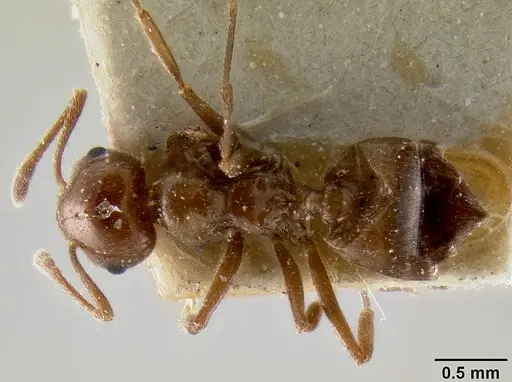
CASENT0907501
AntWeb'de Görüntüle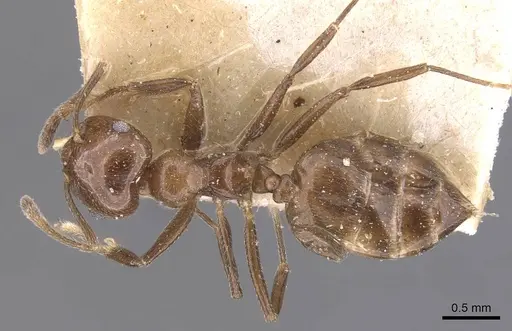
Literatür
Dağılım haritası yükleniyor...Ürünler yükleniyor...