
Crematogaster angulosa
- Bilimsel Adı
- Crematogaster angulosa
- Oymak (Tribe)
- Crematogastrini
- Alt Familya
- Myrmicinae
- Yazar (Tanımlayan)
- André, 1896
- Dağılım
- 0 ülkede bulundu
Giriş
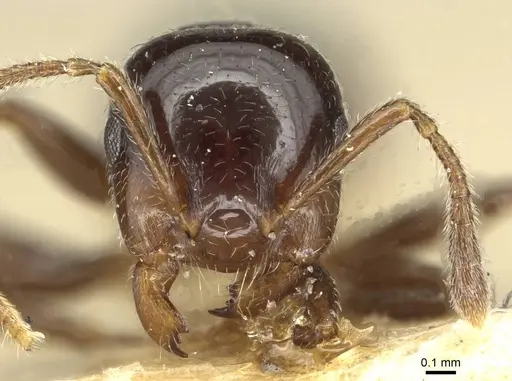
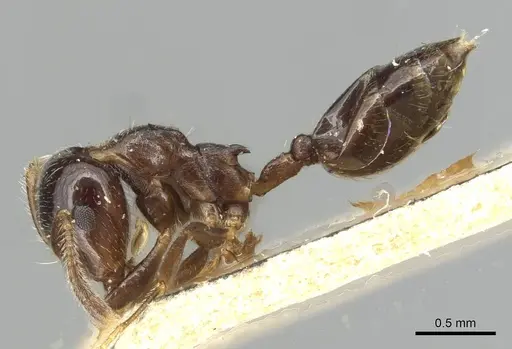
Crematogaster angulosa is a small arboreal ant endemic to Borneo, Brunei, Indonesia, and Malaysia. Workers are around 3-4mm with the characteristic heart-shaped abdomen that gives acrobat ants their name - when threatened, they raise their abdomen over their head like a scorpion. They have a dark reddish-brown to black coloration. This species belongs to the subgenus Decacrema, which includes arboreal nesting species [AntWiki]. These ants are canopy dwellers, living high in the trees of lowland dipterocarp forests. Unlike many ground-nesting ants, they construct nests in hollow twigs, under bark, or in tree cavities. They form moderate-sized colonies and are known for their aggressive defense of their nest sites.
Quick Summary
- Difficulty: Medium
- Origin & Habitat: Borneo and surrounding regions in Southeast Asia. This species lives in the canopy of lowland dipterocarp rainforests, nesting in hollow twigs, under bark, and in tree cavities [1][2].
- Colony Type: Colony structure is unconfirmed for this specific species. Crematogaster genus patterns suggest flexibility between single-queen and multi-queen arrangements, but specific data for C. angulosa is unavailable.
- Size & Growth:
- Queen: Size data unavailable, inferred from Crematogaster genus patterns (~6-8mm)
- Worker: Approximately 3-4mm, inferred from genus patterns [2]
- Colony: Up to several hundred workers, estimated based on typical Crematogaster colony sizes
- Growth: Moderate
- Development: Estimated 6-8 weeks at optimal temperature based on genus patterns for tropical species (Tropical development tends to be faster than temperate species, estimate based on related Crematogaster species)
- Antkeeping:
- Temperature: Keep around 24-28°C, these are tropical forest ants that prefer warmth and humidity [1]. A slight temperature gradient allows them to regulate their conditions.
- Humidity: High humidity is essential, think tropical rainforest canopy. Keep nest substrate moist but not waterlogged. Provide a water source like a test tube water reservoir.
- Diapause: No, as a tropical species from Borneo, they do not require true hibernation. They may show reduced activity during cooler periods but won't enter full diapause.
- Nesting: Arboreal setup works best, these ants naturally nest in twigs and bark. In captivity, they do well in naturalistic setups with twigs/branches, Y-tong nests with small chambers, or test tube setups with added branching material. They prefer tight, enclosed spaces scaled to their small size.
- Behavior: These ants are defensive and will aggressively protect their nest. Workers are active foragers that search for honeydew and small prey. Their small size means escape prevention must be excellent, they can squeeze through surprisingly small gaps. They are arboreal by nature, so they do better with vertical space and climbing surfaces rather than just horizontal floor space. They raise their abdomen when disturbed, which is their warning display.
- Common Issues: escape prevention is critical due to their tiny size, use fine mesh and tight-fitting lids, tropical humidity requirements can lead to mold if ventilation is poor, wild-caught colonies may have canopy-dwelling parasites not adapted to captivity, they may be stressed in ground-level setups when they naturally live in trees, foraging workers may wander far looking for food, ensure outworld is properly enclosed
Nest Preferences and Housing
Crematogaster angulosa is an arboreal species that naturally nests in hollow twigs, under bark, and in tree cavities in the rainforest canopy. In captivity, they adapt well to several setups. A naturalistic setup with twigs, cork bark, or small branches works well since it mimics their natural arboreal habitat. Y-tong (AAC) nests with narrow chambers are also suitable, just make sure the chambers are appropriately sized for their small workers. Test tube setups can work, especially for founding colonies, but add some twigs or bark for them to climb on. The key is providing enclosed, tight spaces they can defend, these ants feel secure in snug chambers. Avoid tall, open spaces that feel exposed to them. [1][2]
Feeding and Diet
Like most Crematogaster species, these ants are omnivorous with a preference for sweet liquids. They naturally tend aphids and scale insects for honeydew, so sugar water or honey water should always be available. They also need protein, small live prey like fruit flies, pinhead crickets, or small mealworms work well. Offer protein roughly twice weekly. Since they're small ants, portion sizes should be tiny. Remove any uneaten prey after 24 hours to prevent mold. A varied diet helps maintain colony health, you can experiment with different small insects to see what they prefer. [2]
Temperature and Humidity
Being from tropical Borneo, these ants need warm and humid conditions. Keep temperatures in the range of 24-28°C, this is ideal for brood development in tropical species. A heating cable on one side of the nest can create a gentle gradient, but always ensure they can move to cooler areas if needed. Humidity should be high, aim for 70-80% relative humidity. Keep the nest substrate consistently moist but never waterlogged. A test tube water reservoir attached to the nest provides a constant moisture source. Mist occasionally but avoid letting water pool in the nest. Good ventilation is important to prevent mold while maintaining humidity. [1]
Behavior and Temperament
Crematogaster angulosa workers are defensive and will vigorously defend their nest against threats. When disturbed, they'll raise their abdomen over their head in the characteristic acrobat ant pose, this is a warning display. They're active foragers that search for food throughout their territory. Workers are small, which means they're excellent escape artists. You must use fine mesh, tight-fitting lids, and proper barriers to keep them contained. They're arboreal by nature, so they do better with vertical climbing space and branches rather than just flat floor space. Watch for them establishing trails, they may travel further than you expect when foraging. [2]
Colony Development
A founding queen will seal herself in a small chamber and raise her first workers alone, living off her stored fat reserves (claustral founding). The first workers, called nanitics, are smaller than normal workers but the colony will grow quickly once they're established. Expect 6-8 weeks from egg to first worker at optimal temperature, though this is an estimate based on genus patterns since specific development data isn't available for this species. Colonies grow to several hundred workers over time. The queen is long-lived and continues laying eggs throughout the colony's life. You can help growth by providing abundant food and keeping conditions stable.
Seasonal Care
As a tropical species from Borneo, Crematogaster angulosa does not require true hibernation. They may show slightly reduced activity during cooler periods or dry seasons in their native habitat, but won't enter full diapause. In captivity, maintain consistent warm temperatures year-round. If your room temperature drops below 22°C during winter, consider using a small heater or heating cable to maintain conditions. Don't reduce feeding dramatically, they still need protein and sugar even if slightly less active. Just monitor their activity levels and adjust food amounts accordingly. [1]
Frequently Asked Questions
How long does it take for Crematogaster angulosa to raise first workers?
Expect 6-8 weeks from egg to first worker at optimal temperature (24-28°C). This is an estimate based on genus patterns since specific development data isn't available for this species. The first workers (nanitics) will be smaller than normal workers.
What do Crematogaster angulosa ants eat?
They need a mix of sugar and protein. Always have sugar water or honey water available, they love sweet liquids. For protein, offer small live prey like fruit flies, pinhead crickets, or tiny mealworms twice weekly. Remove uneaten prey after 24 hours.
Do Crematogaster angulosa ants sting?
They can bite and may use their stinger, but they're too small to cause significant pain to humans. Their main defense is the characteristic abdomen-raising display, they're more likely to flee or intimidate than to actually sting.
Can I keep multiple Crematogaster angulosa queens together?
Crematogaster species can be flexible with colony structure, but specific data for C. angulosa is unavailable. Combining unrelated foundress queens is risky and not recommended unless you have experience. Let one queen establish first before considering any introductions.
What temperature do Crematogaster angulosa ants need?
Keep them warm at 24-28°C. These are tropical rainforest ants from Borneo that need consistent warmth. A heating cable on part of the nest can help maintain optimal temperature, but always provide a cooler area they can move to if needed.
Are Crematogaster angulosa good for beginners?
They're rated as medium difficulty. They're more challenging than common ground-nesting species because they need arboreal-style housing, high humidity, and excellent escape prevention due to their tiny size. If you're new to antkeeping, consider starting with a more established species first.
Why are my Crematogaster angulosa escaping?
Their small size makes them excellent escape artists. Check all lids, connections, and tubing for tiny gaps. Use fine mesh on any ventilation. Inspect the outworld for any tiny cracks. These ants can squeeze through gaps you wouldn't believe.
Do Crematogaster angulosa need hibernation?
No, as a tropical species from Borneo, they don't require true hibernation. Maintain warm temperatures year-round (24-28°C). They may be slightly less active during cooler periods but won't enter diapause.
What size colony do Crematogaster angulosa reach?
Based on typical Crematogaster sizes, expect colonies of several hundred workers. They grow at a moderate pace, not extremely fast but steady with proper care and feeding.
When should I move Crematogaster angulosa to a formicarium?
Wait until the colony has at least 20-30 workers and is actively foraging. For arboreal species like this, a naturalistic setup with twigs/branches works better than a standard formicarium. Make the transition gradual and ensure the new setup maintains proper humidity.
Report an Issue
The current care sheet is based fully on literature. See inconsistencies, or something that's incorrect? Please , it will be resolved after review from an admin. Contributing to the blogs tab also helps providing information, to make us be able to further improve the caresheets. Thank you for your support!
References

Bu bakım rehberi şu lisans altındadır: CC BY-SA 4.0 .
Topluluk Blogları
CASENT0915367
AntWeb'de Görüntüle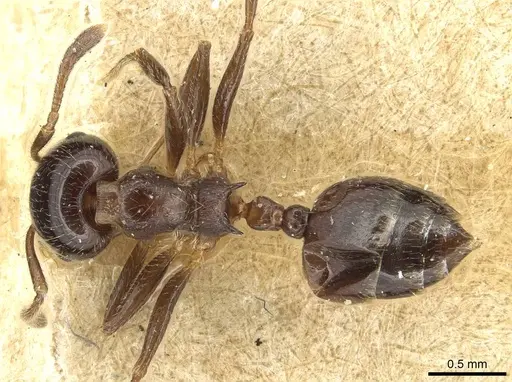
Literatür
Dağılım haritası yükleniyor...Ürünler yükleniyor...